Table of Contents >> Show >> Hide
- Why Shopping and Storing Are the Same Skill
- Smart Food Shopping: Plan Like a Pro (Without Becoming One)
- When You Get Home: The 15-Minute Unpack That Saves Your Week
- Temperature Rules That Make Everything Easier
- How to Organize the Fridge So Food Lasts Longer
- Leftovers: The Safety Rules That Prevent Regret
- Freezer Storage: Your Time Machine (With a Label Maker Personality)
- Pantry Storage: Calm, Cool, Dry, and Not Next to the Stove
- Produce Storage Cheat Sheet (Real Examples)
- Tools That Actually Help (No, You Don’t Need a Smart Fridge)
- Reduce Food Waste Without Gambling on Food Safety
- Conclusion: Make It Easy, Make It Consistent
- Experience-Based Tips: What Usually Works in Real Life (500+ Words)
Food shopping and food storing are basically the same sportone just happens under fluorescent lights with
a cart that always pulls slightly left, and the other happens at home while you whisper, “Where did I put
the… oh no, I bought another jar of mustard.”
If you’ve ever found a mystery container in the back of the fridge that looks like it graduated college,
you already know: the grocery store isn’t where budgets get blown. The fridge is. The good news is that a
few smart routines can help your groceries last longer, your meals come together faster, and your food
stay saferwithout turning your kitchen into a laboratory.
Why Shopping and Storing Are the Same Skill
Great grocery trips aren’t about “willpower.” They’re about a plan that matches real life:
workdays, kids’ schedules, that one night you will absolutely not cook, and the fact that
strawberries have a shorter lifespan than a TikTok trend.
When shopping and storing work together, three things happen:
- You waste less food because you buy what you’ll actually use.
- You save money because leftovers become lunches, not science projects.
- You lower food-safety risk because cold foods stay cold and raw foods stay contained.
Smart Food Shopping: Plan Like a Pro (Without Becoming One)
1) Do the “Five-Minute Inventory” Before You Leave
Open your fridge, freezer, and pantry and look for the “use first” items. You’re not counting every
noodle. You’re identifying ingredients you can build around:
- Proteins: chicken, ground turkey, tofu, beans, eggs
- Veggies and fruit: leafy greens, peppers, berries, citrus
- Staples: rice, pasta, oats, tortillas, canned tomatoes
- Flavor builders: onions, garlic, salsa, soy sauce, broth, spices
Pro move: Keep one bin labeled “Eat Me First” in the fridge. When something is nearing
its best days, put it there. That bin becomes your “meal inspiration” instead of your “food guilt.”
2) Make a Flexible Meal Plan (Not a Fantasy Novel)
Plan 3–5 dinners depending on your week, plus repeatable breakfasts and lunches.
Leave room for leftovers and one “panic meal” (frozen dumplings, rotisserie chicken, or breakfast-for-dinner).
Example of a realistic 4-dinner plan:
- Night 1: Sheet-pan chicken + broccoli + potatoes
- Night 2: Tacos (beans or ground meat) + bagged slaw
- Night 3: Pasta + jarred sauce + spinach (stir in at the end)
- Night 4: Stir-fry using whatever veggies look nervous
3) Write a Grocery List That Prevents “Snack Amnesia”
A great list is grouped by zones so you don’t zigzag the store like you’re training for a scavenger hunt:
- Produce: salad greens, berries, onions, bananas
- Protein: chicken thighs, eggs, yogurt, beans
- Dairy/Cold: milk, cheese, butter
- Frozen: mixed veg, frozen fruit, quick meals
- Pantry: rice, oats, canned tomatoes, tuna
- Household: trash bags, dish soap (because it’s never on the list until it’s gone)
4) Shop in a Food-Safe Order
Food safety starts in the cart. The key idea is protecting ready-to-eat foods from raw-meat drips and
keeping perishables cold.
- Pick up shelf-stable items first, then produce, then refrigerated foods, and grab frozen items last.
- Keep raw meat/seafood separate from produce and ready-to-eat foods in the cart and in bags.
- If your trip home is long or the weather is hot, use an insulated bag or cooler for meat and dairy.
5) Date Labels: What They Usually Mean (And What They Don’t)
Most date labels are about quality, not an instant “turn into a pumpkin” deadline. In general:
- Best if Used By/Before: best flavor/texture; often still okay afterward if stored properly.
- Sell-By: for store inventory; not a safety date.
- Use-By: sometimes used as a “last best day,” and for certain products it may be more safety-focused.
The practical rule: use dates as a cue to check storage and spoilage signsnot as a reason to auto-trash
perfectly good food.
6) Budget Moves That Don’t Feel Like Punishment
- Compare unit prices (price per ounce/pound). Bigger isn’t always cheaper.
- Be seasonally sneaky: buy in-season produce for better flavor and price.
- Use store brands for basics (beans, oats, frozen veg, flour, sugar).
- Pick “hero” ingredients you’ll use multiple ways (rotisserie chicken becomes salads, tacos, soup).
When You Get Home: The 15-Minute Unpack That Saves Your Week
You don’t need a perfect system. You need a consistent one. Try this order:
- Cold first: Refrigerate and freeze perishables immediately.
- Prevent leaks: Put raw meat/seafood in a leakproof container or tray.
- Wash later: Don’t wash produce that will be stored (many items last longer dry). Wash right before eating or cooking.
- Reset the “Eat Me First” bin: Move older items forward.
- Label leftovers plan: If you cooked this week, label containers with the day.
Temperature Rules That Make Everything Easier
Safe storage is mostly about temperature and time. Aim for:
- Refrigerator: 40°F (4°C) or below
- Freezer: 0°F (-18°C)
If you don’t already have a fridge/freezer thermometer, it’s one of the simplest upgrades you can make
for both safety and shelf life. Many fridges run warmer than people think, especially when they’re packed
tight or the door opens constantly.
How to Organize the Fridge So Food Lasts Longer
Bottom Shelf: Raw Proteins Only
Store raw meat, poultry, and seafood on the bottom shelf so nothing can drip onto foods you’ll eat raw
(like fruit) or ready-to-eat foods (like leftover pasta). Use a rimmed tray or a sealed container.
Middle Shelves: Ready-to-Eat and Dairy
Put leftovers, yogurt, and other ready-to-eat items at eye level so you actually see them.
“Out of sight, out of mind” is how you end up ordering takeout while a perfectly good lunch
is quietly waiting behind the ketchup.
The Door: Condiments, Not “Fragile” Foods
The door is the warmest part of most fridges because it’s exposed to room air every time you open it.
It’s usually better for condiments and drinks than for foods that spoil easily.
Crispers: Use Humidity and Ethylene to Your Advantage
Crisper drawers are not “the produce graveyard.” They’re humidity tools.
- High humidity: leafy greens, herbs, broccoli (keeps moisture in)
- Low humidity: many fruits (lets ethylene and moisture escape)
Some fruits (like apples and bananas) produce ethylene gas that speeds ripening in nearby produce.
Keep ethylene producers away from ethylene-sensitive items (like leafy greens) when possible.
Leftovers: The Safety Rules That Prevent Regret
Leftovers are a giftunless they’ve been sitting out too long.
- Chill quickly: Refrigerate leftovers within 2 hours (sooner in hot conditions).
- Use shallow containers: They cool faster than deep tubs.
- Know the “3–4 day” rule: Most leftovers are best used within 3–4 days in the fridge.
- Reheat well: Heat leftovers until steaming hot; for many foods, 165°F is a good safety target.
If you cooked a giant pot of soup, don’t shove the whole volcano into the fridge. Divide it into smaller
containers first so it cools safely and doesn’t warm up the entire fridge.
Freezer Storage: Your Time Machine (With a Label Maker Personality)
Freezing Is About Quality, Not Just “Saving It”
Freezing keeps food safe for a very long time, but quality can drop if items sit too long or get
freezer-burned. Translation: it might still be safe, but it may taste like a sad sponge.
Freeze Smarter: Portion, Protect, Label
- Portion first: Freeze meat, soups, and sauces in meal-sized amounts.
- Protect from air: Press out air from freezer bags or use airtight containers.
- Label like a grown-up: Write the item and date. “Red Sauce??” is not helpful in February.
- Freeze flat: Lay bags flat so they stack neatly and thaw faster.
Freezer Inventory Trick
Keep a small list on the fridge (paper or phone note): what’s in the freezer and roughly when it went in.
When you add something, write it down. When you use something, cross it off. This turns “freezer surprise”
into “freezer strategy.”
Pantry Storage: Calm, Cool, Dry, and Not Next to the Stove
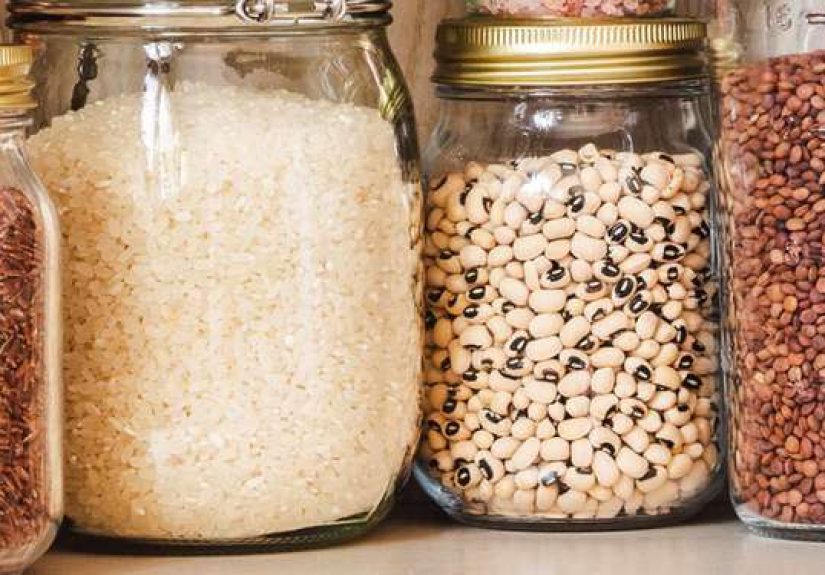
Heat, moisture, and light are the enemies of pantry longevity. Store dry goods in airtight containers
when possible, especially:
- Flour, sugar, rice, pasta, cereal
- Nuts and whole grains (they can go rancid faster)
- Snacks (because open bags are an invitation to staleness)
Rotate using FIFO (first in, first out): move older items forward and put new items behind them.
It’s a tiny habit that dramatically reduces waste.
Produce Storage Cheat Sheet (Real Examples)
- Berries: Keep dry, store in the fridge, and don’t wash until you’re ready to eat. If one gets moldy, remove it fast.
- Leafy greens: Store in high humidity; add a paper towel to absorb excess moisture.
- Fresh herbs: Treat like flowerstrim ends and store in a jar with water (many herbs do well loosely covered in the fridge).
- Tomatoes: Often best at room temp for flavor; refrigerate only when very ripe and you need to slow them down.
- Potatoes and onions: Store in a cool, dry place; keep them separate to reduce spoilage.
- Apples and bananas: Ethylene producersstore away from sensitive produce if possible.
- Avocados: Ripen on the counter; once ripe, the fridge can buy you a little more time.
Tools That Actually Help (No, You Don’t Need a Smart Fridge)
- Refrigerator thermometer: Simple, cheap, and surprisingly powerful.
- Leakproof containers: For raw meat storage and transport in the fridge.
- Shallow containers: Better for cooling leftovers quickly.
- Painter’s tape + marker: The easiest labeling system on Earth.
- One “Eat Me First” bin: Your weekly waste-reducer.
Reduce Food Waste Without Gambling on Food Safety
Reducing waste is greatuntil it becomes “I dared myself to eat questionable chicken.” A safer approach:
- Use date labels as a guide, but rely on storage time, temperature, and visible spoilage signs.
- Freeze early, not late: If you won’t cook it in time, freeze it while it’s still fresh.
- Build “use-it-up” meals: fried rice, soups, frittatas, tacos, salads, pasta.
- Separate raw foods: Prevent cross-contamination so more food stays usable and safe.
Conclusion: Make It Easy, Make It Consistent
The goal isn’t to become the CEO of Your Refrigerator. It’s to create a few repeatable habits:
a quick plan, a smarter shop, a fast unpack, and storage zones that make sense. When you keep your fridge
cold enough, your leftovers timely, your raw proteins contained, and your produce stored with a little
strategy, you get more meals, fewer surprises, and a grocery budget that doesn’t feel like a magic trick.
Experience-Based Tips: What Usually Works in Real Life (500+ Words)
In real households, “perfect” systems rarely survive contact with Monday. What does survive is a small set
of habits that match how people actually live. One of the biggest shifts many shoppers notice is that
shopping becomes easier when storing has a plan. For example, keeping a single “Eat Me First”
bin changes the entire vibe of your fridge. Instead of rummaging for ingredients and giving up, you open
the fridge and immediately see: leftover rice, half a rotisserie chicken, and a bag of spinach. That’s not
chaosit’s a stir-fry, a soup, or tacos waiting to happen.
Another common experience: people buy produce with the best intentions, then watch it wilt while they
“save it for later.” The fix isn’t buying less produce foreverit’s buying produce in two speeds.
Speed One is “ready now” items you’ll eat in the first 2–3 days (berries, salad greens, fresh herbs). Speed
Two is “ready later” items that hold up (carrots, cabbage, apples, citrus, frozen vegetables). When your
cart includes both speeds, you stop feeling like produce is a ticking clock.
A surprisingly effective habit is a weekly fridge reset that takes less time than scrolling
your phone in the parking lot. Once a weekoften right before the next grocery trippeople pull out the
leftovers, check what needs to be used soon, and mentally assign it a purpose: “This becomes lunch,” “That
goes in the freezer,” “These peppers get chopped tonight.” This tiny reset prevents buying duplicates and
reduces the “I forgot we had that” problem.
On the storage side, one issue comes up again and again: the fridge is cold, but food still spoils faster
than expected. A lot of the time, it’s not the fridge’s settingit’s the actual temperature. Busy
kitchens open the door a hundred times a day, and some fridges run warmer than you think. People who start
using a fridge thermometer often report an immediate “aha” moment. Once the temperature is reliably cold,
milk lasts closer to its normal lifespan, leftovers stay fresher, and the whole fridge smells less like
“yesterday.”
For families or roommates, labeling isn’t just helpfulit’s peacekeeping. When containers get labeled with
“chili Tue” or “chicken soup 12/10,” everyone can make safer, quicker decisions without guesswork.
Many households find that labels reduce arguments and reduce waste at the same time because food is eaten
in the right order. It’s hard to ignore leftovers when they’re clearly identified and visible.
Finally, real life often includes unexpected schedule changes. That’s where the freezer becomes a genuine
stress reliever. People who freeze in portionstwo cups of soup, a pound of cooked taco meat, a flat bag of
marinaradescribe a noticeable drop in last-minute takeout. The freezer becomes a menu, not a graveyard.
When the day gets derailed, dinner doesn’t. You just thaw, heat, and pretend it was the plan all along.