Table of Contents >> Show >> Hide
- What Is an Endoscopy?
- Why Might Someone Need an Endoscopy?
- The 13 Common Types of Endoscopy
- 1) Upper GI Endoscopy (EGD)
- 2) Colonoscopy
- 3) Flexible Sigmoidoscopy
- 4) Capsule Endoscopy
- 5) Enteroscopy (Including Balloon-Assisted)
- 6) ERCP (Endoscopic Retrograde Cholangiopancreatography)
- 7) Endoscopic Ultrasound (EUS)
- 8) Bronchoscopy
- 9) Cystoscopy
- 10) Ureteroscopy
- 11) Hysteroscopy
- 12) Laparoscopy (Diagnostic)
- 13) Arthroscopy
- What Happens During an Endoscopy?
- How to Prepare for an Endoscopy (So You Don’t Accidentally Do It on “Hard Mode”)
- Sedation and Anesthesia Options
- Risks, Side Effects, and When to Call for Help
- How Results Work (And Why “Normal” Is Still Useful)
- Endoscopy vs. Imaging Tests
- Conclusion
- Real-World Experiences: What Endoscopy Feels Like (The Honest, Non-Scary Version)
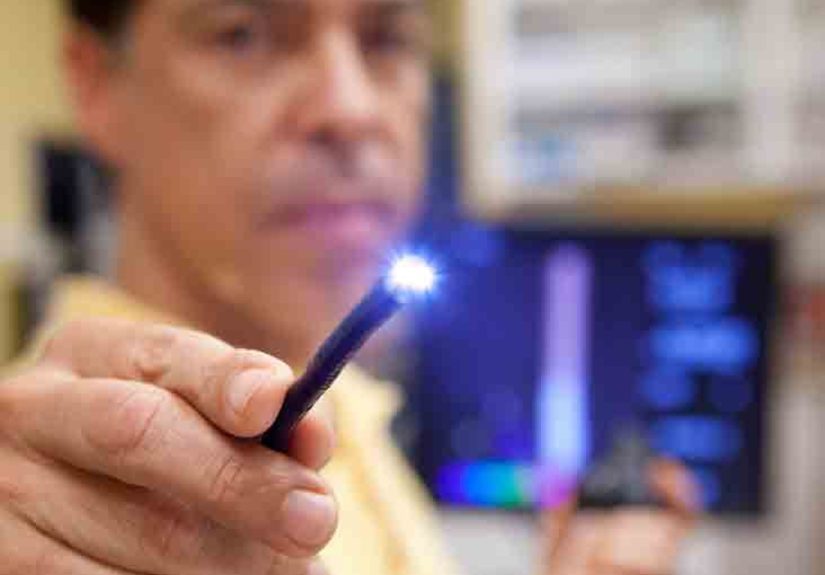
If you’ve ever wished your doctor could “just take a quick look” inside your body (in a totally non-creepy, highly medical way), endoscopy is the tool for the job. An endoscope is basically a thin tube with a light and camera that lets clinicians see inside certain parts of your bodyoften without major surgery. Think of it like a tiny guided tour camera… except the gift shop is your recovery room and the souvenirs are diagnostic answers.
This guide breaks down what an endoscopy is, why it’s used, 13 common types of endoscopy, what to expect before/during/after, and how to make the whole experience a lot less mysterious (and usually way less dramatic than your imagination).
What Is an Endoscopy?
Endoscopy is a medical procedure that uses a scope (rigid or flexible, depending on the body part) to examine internal organs or spaces. Many endoscopies go through a natural openinglike the mouth, nose, urethra, or anuswhile some use a tiny incision (common in joint and abdominal scopes).
What endoscopy can do (besides making you Google too much)
- Screening: Looking for early disease before symptoms show up (example: colon screening exams).
- Diagnosis: Finding the cause of symptoms like bleeding, pain, swallowing trouble, chronic cough, or urinary issues.
- Biopsy: Taking small tissue samples to test for inflammation, infection, precancer, or cancer.
- Treatment: Removing polyps, stopping bleeding, opening narrowed areas, removing stones, placing stents, and more.
Why Might Someone Need an Endoscopy?
Endoscopy is commonly recommended when symptoms or test results suggest something needs a closer look. It’s often used because it can provide direct visualizationand sometimes immediate treatmentwithout needing an “open” operation.
Common reasons
- Persistent heartburn, reflux symptoms, or difficulty swallowing
- Abdominal pain, unexplained nausea/vomiting, or GI bleeding
- Chronic diarrhea, constipation, or changes in bowel habits
- Unexplained anemia, positive stool tests, or suspected inflammatory bowel disease
- Chronic cough, coughing blood, recurrent lung infections, or abnormal imaging (airways)
- Blood in urine, recurrent urinary tract symptoms, or bladder concerns
- Abnormal uterine bleeding or suspected uterine polyps (uterus)
- Joint pain, clicking/locking, or suspected ligament/cartilage problems (joints)
The 13 Common Types of Endoscopy
There are many endoscopic procedures across medicine. Here are 13 widely used types you’ll hear about most often, what they examine, and what they’re typically used for.
1) Upper GI Endoscopy (EGD)
Examines the esophagus, stomach, and duodenum. Often used for reflux symptoms, ulcers, swallowing problems, upper GI bleeding, anemia workups, and biopsies for inflammation or infection.
2) Colonoscopy
Examines the entire colon. Used for screening and investigating bleeding, bowel habit changes, chronic diarrhea, suspected inflammation, and polyp removal.
3) Flexible Sigmoidoscopy
Similar to colonoscopy, but looks at the rectum and lower colon. It may be used for certain symptom workups or targeted follow-up.
4) Capsule Endoscopy
Instead of a scope, you swallow a pill-sized camera. It’s especially useful for viewing areas that are harder to reach with standard scopes, like portions of the small intestine. It’s often used to investigate obscure bleeding or suspected small-bowel disease.
5) Enteroscopy (Including Balloon-Assisted)
Designed to examine deeper sections of the small intestine. Balloon-assisted versions can help advance the scope further and may allow treatment (like managing bleeding lesions) in places regular endoscopes can’t reach.
6) ERCP (Endoscopic Retrograde Cholangiopancreatography)
A specialized endoscopy focused on the bile ducts and pancreatic ducts. It can be used to diagnose and, importantly, treat certain duct problemslike relieving blockages or removing stones.
7) Endoscopic Ultrasound (EUS)
Combines endoscopy with ultrasound imaging to look at the digestive tract and nearby structures (like the pancreas, bile ducts, and lymph nodes). It’s often used when detailed imaging or tissue sampling is needed.
8) Bronchoscopy
Examines the airways (trachea and bronchi). Used for chronic cough, abnormal chest imaging, lung infections, bleeding, and collecting samples.
9) Cystoscopy
Examines the urethra and bladder. Commonly used for blood in urine, bladder symptoms, recurrent infections, or evaluating structural issues.
10) Ureteroscopy
Examines the ureters (tubes from kidneys to bladder) and sometimes reaches into the kidney collecting system. Often used for stones, strictures, or investigating urinary tract concerns.
11) Hysteroscopy
Examines the inside of the uterus using a scope passed through the cervix. It can diagnose or treat uterine issues such as polyps, fibroids that protrude into the uterine cavity, or causes of abnormal bleeding.
12) Laparoscopy (Diagnostic)
A minimally invasive procedure using small incisions to examine the abdomen and pelvis. It can be diagnostic, therapeutic, or both, depending on the situation.
13) Arthroscopy
Examines the inside of a joint (like knee, shoulder, hip, or wrist) using a scope through small incisions. Often used to diagnose and treat cartilage/ligament issues with less tissue disruption than open surgery.
And more? Absolutelythere are additional specialized scopes used in ENT, chest surgery, and other fields. But the 13 above are the “greatest hits” you’re most likely to encounter in everyday care.
What Happens During an Endoscopy?
The details vary by type, but most endoscopy procedures follow a similar storyline:
- Check-in & prep: You’ll review your medical history, allergies, and medications. Many procedures require an IV.
- Vitals & monitoring: Expect oxygen monitoring and blood pressure checks.
- Comfort plan: Depending on the procedure, you may get local numbing medicine, sedation, deeper anesthesia, or a combination.
- The procedure: The clinician guides the scope, views images on a monitor, and may take biopsies or perform treatment.
- Recovery: You’ll rest while sedation wears off. You’ll get discharge instructions and warning signs to watch for.
Does biopsy hurt?
Most biopsies taken during sedated endoscopy aren’t felt in the moment. Afterward, you may feel mild soreness (like a scratchy throat after upper scopes) or bloating/cramps (especially when air or CO2 is used to improve visibility). It’s usually temporary.
How to Prepare for an Endoscopy (So You Don’t Accidentally Do It on “Hard Mode”)
Preparation depends on the type of endoscopy, but these are common themes:
Fasting
- For many upper GI procedures, you’ll be asked to stop eating for several hours beforehand so the stomach is empty.
- Your care team will tell you when to stop liquids (timing varies).
Medication check
- Bring a list of medications and supplements.
- Ask specifically about blood thinners, diabetes medicines, and weight-loss drugs, because timing changes are common.
Colonoscopy prep (yes, the famous part)
Colonoscopy requires bowel preparation so the lining can be seen clearly. This typically includes a prescribed laxative regimen and diet instructions. A clean colon isn’t just “nice”it’s how clinicians find small polyps and subtle inflammation.
Plan your ride
If you receive sedation or anesthesia, you’ll usually need someone to drive you home. Also: please don’t plan to operate heavy machinery, negotiate a mortgage, or “just do a quick leg day” right after. Future you will appreciate the restraint.
Sedation and Anesthesia Options
Many endoscopies are performed with some form of sedation, but the level can vary by procedure, facility, and your medical history. Your clinician will recommend an approach based on safety and comfort.
- Local anesthesia: Numbs a specific area (like throat spray for some upper scopes or gel for urinary scopes).
- Moderate (“twilight”) sedation: You’re very relaxed and may not remember much. Many people drift in and out.
- Deep sedation: You’re asleep and unlikely to remember the procedure.
- General anesthesia: Used for certain complex procedures or situations (less common for routine scopes).
Pro tip: “Will I be awake?” is a totally normal question. So is “Will I say anything weird?” (The honest answer: maybe. But the staff has heard it all, and your dignity is surprisingly resilient.)
Risks, Side Effects, and When to Call for Help
Endoscopy is widely performed and generally safe, but every procedure has risks. The exact risk depends on the type of scope and whether treatment is performed (biopsy, polyp removal, dilation, stone work, etc.).
Common short-term side effects
- Sleepiness, grogginess, or mild nausea from sedation
- Sore throat after upper GI procedures
- Bloating, gas, or mild cramping (often from air/CO2)
- Mild spotting or irritation (more common in urinary or gynecologic scopes)
Less common but more serious risks
- Bleeding (more likely if tissue is removed or treated)
- Perforation (a tear in the lining of an organrare but urgent)
- Infection (risk is generally low, but can increase with certain procedures)
- Reaction to sedation/anesthesia
Urgent warning signs
Your discharge paperwork will list specific symptoms for your procedure, but in general, seek urgent care if you develop severe pain, persistent vomiting, fever, heavy bleeding, trouble breathing, chest pain, or black/tarry stools after a GI procedure. When in doubt, call your care teamthis is exactly what they’re there for.
How Results Work (And Why “Normal” Is Still Useful)
Endoscopy results can include:
- Visual findings: inflammation, ulcers, polyps, narrowing, stones, bleeding sources, or normal anatomy
- Biopsy results: these may take several days because tissue is processed and reviewed under a microscope
- Treatment summary: what was removed, repaired, cauterized, dilated, or sampled
If biopsies were taken, try not to assume the worst while waiting. Biopsies are often done to confirm benign conditions, check inflammation, or rule things out. “Nothing scary found” is a very real and very underrated outcome.
Endoscopy vs. Imaging Tests
CT scans, MRI, ultrasound, and X-rays can provide valuable information, but they don’t always show surface-level detail of the lining of organs the way endoscopy can. Endoscopy can also collect tissue and sometimes treat a problem on the spot.
In many real-world workups, imaging and endoscopy are teammates, not rivals: imaging helps map the territory, and endoscopy helps confirm what’s happening and (sometimes) fix it.
Conclusion
Endoscopy is one of the most useful tools in modern medicine: it can screen, diagnose, and treatoften in the same visit. The specific experience depends on the type (and the prep), but most people are surprised by how routine it feels once it’s done. If you’re scheduled for a scope, the best move is to follow prep instructions closely, ask about sedation, and know what symptoms deserve a follow-up call afterward.
Educational note: This article is for general information and does not replace individualized medical advice. Always follow instructions from your clinician and facility.
Real-World Experiences: What Endoscopy Feels Like (The Honest, Non-Scary Version)
Let’s talk about the part most people actually care about: the experience. Not the textbook definitionwhat it’s like to go through it. Below are common themes patients report, plus practical tips that can make a huge difference.
The night before: preparation is the whole game
For upper GI procedures, the main task is usually fasting. This is the “easy” kind of prep: stop eating when told, follow liquid rules, and try not to overthink it. Colonoscopy prep is the one that has a reputation, and yesthere’s a reason. Most people say the prep is more inconvenient than painful. The trick is to treat it like a mini project: clear your schedule, stock your bathroom with supplies, and don’t plan any heroic life goals that evening.
Helpful realities: chilled prep solution can be easier to tolerate, sipping through a straw sometimes helps, and having clear liquids you actually like makes the day feel less like a punishment. People often underestimate how much a “good prep” mattersclean visibility helps prevent missed findings and repeat procedures.
Check-in jitters: totally normal
Even calm adults get anxious before medical procedures. The environment (gowns, monitors, paperwork) can make a routine test feel like a movie scene. Most endoscopy teams are very used to thistelling them you’re nervous is not dramatic; it’s useful. They can explain each step, adjust comfort measures, and make sure you feel informed instead of blindsided.
During the procedure: “I blinked and it was over” is common
With moderate or deep sedation, a lot of people report the same timeline: you get comfortable, you feel sleepy, and suddenly you’re in recovery. Some describe it as the best nap they didn’t plan. Others remember brief moments of repositioning or instructions like “take a deep breath,” but many don’t recall details afterwardand that’s often the point.
For scopes done with local anesthesia (common in certain urinary exams), the sensation can range from pressure to brief discomfort, but it’s typically quick. The staff will tell you what’s normal to feel and how to signal if you need a pause.
Recovery: the “groggy but relieved” phase
Afterward, the biggest surprise is often how normal you feeljust sleepier. A scratchy throat can happen after upper scopes. Gas or bloating can show up after GI procedures (air/CO2 helps clinicians see clearly), and walking gently can help it pass. Many people are cleared to eat fairly soon, usually starting light and seeing how they feel.
The most important recovery tip is also the least exciting: follow the instructions. If you were sedated, don’t drive the same day, don’t sign major documents, and don’t assume you’re “fine” because you can text normally. Sedation can make your reaction time and judgment sneakily worse, even when you feel alert.
Practical tips people wish they’d known
- Ask about meds early: especially blood thinners and diabetes meds.
- Bring a “recovery buddy” if required: you’ll want a calm ride home and someone who can listen to discharge instructions with you.
- Plan a low-key day: recovery is usually quick, but it’s not the day to schedule back-to-back meetings.
- Don’t panic about biopsies: they’re often routine, and results take time.
- Know your warning signs: severe pain, fever, heavy bleeding, or breathing issues deserve prompt medical attention.
Bottom line: endoscopy can sound intimidating, but it’s often a straightforward, highly informative procedure. Most patients walk away thinking, “That was it?”and that’s the best possible review.