Table of Contents >> Show >> Hide
- What Makes a Canning Recipe Safe?
- The 19 Best and Safest Canning Recipes
- 1. Strawberry Jam
- 2. Blueberry Jam
- 3. Applesauce
- 4. Apple Butter
- 5. Peach Halves or Slices
- 6. Pear Halves
- 7. Dill Pickles
- 8. Bread-and-Butter Pickles
- 9. Pickled Beets
- 10. Pickled Hot Peppers
- 11. Tomato Salsa
- 12. Whole or Crushed Tomatoes
- 13. Tomato Sauce
- 14. Peach Jam or Peach Preserves
- 15. Pear Preserves
- 16. Green Beans
- 17. Carrots
- 18. Vegetable Soup
- 19. Chicken Stock or Beef Stock
- How to Choose the Right Recipe for Your Skill Level
- Common Canning Mistakes to Avoid
- Why These Recipes Stay Popular Year After Year
- Kitchen Experiences: What Newbies and Experts Learn the Hard Way
- Conclusion
- SEO Tags
If you have ever stared at a basket of produce and thought, “I should preserve this before it becomes a science experiment,” welcome to the wonderful world of canning. Done correctly, canning is practical, satisfying, budget-friendly, and a little bit magical. One minute you have fresh peaches, tomatoes, or cucumbers. The next, you have neat rows of jars that make you feel like the main character in a farmhouse movie, even if you live in an apartment with one stubborn cabinet.
But let’s get one thing straight: safe canning is not the same thing as “winging it because grandma did it that way.” The safest home canning recipes are tested, measured, and processed using the correct method for the type of food. That is what separates a pantry win from a risky kitchen experiment. The good news is that many of the very best canning recipes are also beginner-friendly. In fact, the easiest recipes are often the smartest places to start.
This guide rounds up 19 of the best and safest canning recipes for both newbies and experienced preservers. Some are sweet, some are savory, and some are delightfully tangy enough to wake up a sandwich. More importantly, they all fit into categories that are widely recognized as good candidates for safe home canning when you follow a current, tested recipe exactly.
What Makes a Canning Recipe Safe?
Before we get to the jars, let’s talk safety. Home canning is all about controlling acid, heat, time, and pressure. High-acid foods such as many fruits, jams, jellies, pickles, and properly acidified tomato products are typically processed in a boiling-water canner. Low-acid foods like plain vegetables, stocks, meats, and soups require a pressure canner. That distinction is not optional. It is the whole ballgame.
Safe canning recipes also share a few other traits. They use measured ingredients, especially acids like bottled lemon juice or vinegar. They give exact headspace. They include a tested processing time. And they do not invite freestyle substitutions that can change pH, density, or heat penetration. In other words, the safest recipe is not necessarily the fanciest one. It is the one that respects the science.
- Use only current, tested canning recipes.
- Choose the correct canner: boiling-water for high-acid foods, pressure canner for low-acid foods.
- Follow altitude adjustments when required.
- Do not reuse canning lids for processing.
- Let jars cool undisturbed and check seals after they rest.
- Store jars in a cool, dark, dry place and use them within a year for best quality.
Now that the safety lecture is over, let’s reward ourselves with recipes.
The 19 Best and Safest Canning Recipes
1. Strawberry Jam
Strawberry jam is the gateway recipe for many first-time canners, and honestly, it has earned the crown. It is simple, cheerful, and wildly useful. Spread it on toast, swirl it into yogurt, or spoon it over ice cream when you want dessert without making a full production of it. Because it is a high-acid fruit spread made from a tested formula, it is one of the safest and most beginner-friendly choices in home canning.
2. Blueberry Jam
Blueberry jam is another smart starter recipe because the fruit behaves well, tastes rich, and produces a deep, almost luxurious flavor. It is an excellent option for anyone who wants a canning project that feels a little fancy without being fussy. Stick to a tested pectin-based recipe and you get a spread that feels like summer in a jar.
3. Applesauce
Applesauce is forgiving, versatile, and ideal for both beginners and seasoned preservers. It works with different apple varieties, and you can make it smooth or chunky depending on your preference. It is also a practical pantry staple for baking, snacks, and quick breakfasts. If a recipe could wear sweatpants and still look good, applesauce would be that recipe.
4. Apple Butter
Apple butter is what happens when applesauce gets ambitious. Cooked longer and packed with warm spice, it develops a deep, concentrated flavor that feels tailor-made for fall. It takes more stirring and patience, which makes it better for people ready for a slightly more hands-on project, but the process is still approachable when you follow a tested recipe.
5. Peach Halves or Slices
Canned peaches are classic for a reason. They are beautiful in jars, easy to serve, and useful for desserts, oatmeal, pancakes, and last-minute cobblers. They also teach one of the most important lessons in canning: good fruit matters. Start with ripe, sound peaches and follow the recommended hot-pack method for the best quality.
6. Pear Halves
Pears make an excellent canned fruit because they hold their shape well and taste elegant without needing much embellishment. They are perfect for beginners who want to move beyond jam into whole-fruit canning. The biggest quality tip is to use a hot pack rather than a raw pack, which helps preserve better texture and appearance.
7. Dill Pickles
Dill pickles are one of the most popular canning recipes in America, and for good reason: they are crunchy, bright, and useful in everything from burgers to snack plates. They are also a wonderful introduction to the world of vinegar-based canning. Choose fresh pickling cucumbers, use a tested brine, and do not improvise the vinegar strength.
8. Bread-and-Butter Pickles
If dill pickles are the extroverts of the pickle jar, bread-and-butter pickles are the sweet-tangy diplomats. They are fantastic on sandwiches and charcuterie boards and make a great “gift jar” for the person who says they only want homemade things but definitely means homemade things that taste good. This recipe category is beginner-friendly when made from a tested formula.
9. Pickled Beets
Pickled beets are a strong choice for canners who want a recipe with bold color and even bolder personality. The vinegar-based brine makes them suitable for boiling-water canning, and their sweet-earthy flavor improves beautifully after a little pantry rest. They are also proof that vegetables can absolutely be dramatic.
10. Pickled Hot Peppers
Pickled jalapeños or mixed hot peppers are pantry gold for anyone who likes a little heat. They dress up tacos, eggs, nachos, sandwiches, and grain bowls with minimal effort. Because they are pickled in a measured acidic solution, they fit nicely into a safe, tested water-bath canning routine.
11. Tomato Salsa
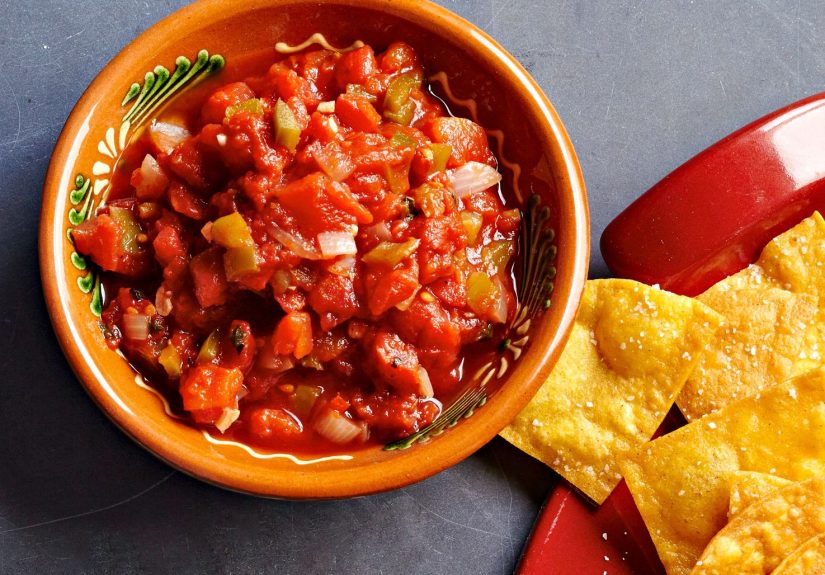
Tomato salsa is a fan favorite, but it is also a recipe category that demands respect. Tomatoes, onions, peppers, and herbs are delicious together, but the acid balance matters. That means no inventing your own proportions if you plan to can it. Choose a tested salsa recipe with the proper amount of bottled lemon juice, lime juice, citric acid, or vinegar, and you get one of the most rewarding jars in the pantry.
12. Whole or Crushed Tomatoes
Canned tomatoes are the pantry equivalent of a white T-shirt: simple, reliable, and always useful. They can become soup, sauce, chili, shakshuka, or a very respectable weeknight pasta dinner. The crucial safety point is acidification. Modern tested recipes call for bottled lemon juice, citric acid, or another specified acidification step because tomato acidity can vary.
13. Tomato Sauce
Tomato sauce is the next level for people who want convenience ready to go. It is especially satisfying if you cook often and want to reach for your own sauce instead of opening a store jar. Like other tomato products, it must follow a tested recipe and proper acidification instructions. The upside is huge: fewer additives, customizable seasoning, and a kitchen that smells like victory.
14. Peach Jam or Peach Preserves
Peach jam gives you all the charm of summer fruit without the peeling-and-packing routine of whole peaches. It is fragrant, bright, and especially nice for beginners who want a fruit spread with a softer, sunnier flavor than berry jam. Peach preserves are also beautiful for gift-giving because they look impressive while still being achievable.
15. Pear Preserves
Pear preserves are a lovely bridge between beginner and advanced projects. They feel a little old-fashioned in the best possible way, with fruit suspended in a sweet syrupy base. They are excellent for holiday breakfasts, cheese boards, and toast that is trying harder than usual. As with all preserves, a tested recipe is essential because sugar, acid, and texture all matter.
16. Green Beans
Now we enter pressure-canning territory. Plain green beans are low-acid, which means they must be pressure canned. For beginners who are ready to graduate from high-acid recipes, green beans are one of the best entry points. They are straightforward, practical, and a great way to learn how pressure canning sounds, feels, and behaves without starting with anything too complicated.
17. Carrots
Pressure-canned carrots are sweet, useful, and surprisingly luxurious in soups, stews, and side dishes. They are a strong option for experienced water-bath canners making their first move into low-acid foods. The texture stays pleasant, the flavor is dependable, and the process teaches precision in headspace and pressure.
18. Vegetable Soup
Soup is one of the most satisfying advanced canning projects because it feels like meal prep from a smarter timeline. Safe home-canned soup, however, has rules. It must be pressure canned, and it should not include noodles, rice, flour, dairy, or thickening agents in the jar. Follow a tested soup method and you end up with shelf-stable convenience that can save dinner on chaotic nights.
19. Chicken Stock or Beef Stock
Few jars feel more useful than homemade stock. It turns leftovers and bones into liquid kitchen currency, ready for soups, sauces, grains, and braises. Because stock is low-acid, it must be pressure canned, which makes it better for canners with a little confidence already under their belt. Once you have a shelf of stock, though, it is hard to go back. Store-bought broth starts to feel like a backup singer.
How to Choose the Right Recipe for Your Skill Level
If you are brand-new to canning, start with high-acid recipes like strawberry jam, applesauce, dill pickles, or peaches. These recipes help you learn the rhythm of washing jars, preparing ingredients, leaving the correct headspace, wiping rims, applying lids, and processing safely. You also get quick wins, which matters because confidence is a powerful ingredient.
If you already have a few successful batches behind you, move into tomato products and more nuanced pickles. These recipes teach accuracy with acidification, consistency in slicing, and the importance of following formulas exactly. They also reward patience with big flavor.
If you are an experienced canner or you are ready to learn pressure canning, green beans, carrots, soups, and stocks are excellent next steps. These recipes require more attention to equipment and processing details, but they also open up a larger part of the pantry. Suddenly, your shelf starts looking less like a jam collection and more like a food strategy.
Common Canning Mistakes to Avoid
The biggest canning mistake is assuming all old family recipes are automatically safe. Plenty of them are delicious. Not all of them are appropriate for modern home canning. Another frequent mistake is changing ingredient ratios in salsa, pickles, or tomato recipes. A little extra onion or less vinegar may not sound dramatic, but in canning, tiny changes can alter safety.
Other common slipups include overtightening lids, skipping altitude adjustments, using damaged jars, reusing lids, and storing jars in warm or bright places. A final one is impatience. Jars need time to cool and seal properly. Hovering over them like a reality-show judge does not make the pop happen faster.
Why These Recipes Stay Popular Year After Year
The best canning recipes survive because they solve real kitchen problems. They reduce waste. They stretch seasonal produce. They make great gifts. They save money over time. They also give you ready-to-use ingredients that taste personal and often better than store-bought versions.
There is also an emotional layer to canning that keeps people coming back. A row of finished jars feels competent. It feels calm. It feels like future-you will be grateful, which is honestly one of the most satisfying feelings a hobby can offer. Whether you are sealing jam for breakfast or pressure canning soup for winter, canning turns effort into visible reward.
Kitchen Experiences: What Newbies and Experts Learn the Hard Way
One of the most universal canning experiences is realizing that the recipe itself is only half the story. The other half is rhythm. New canners usually begin by focusing on ingredients, but experienced preservers know the real magic is in preparation. Before the first peach is peeled or the first cucumber is sliced, the best canning days start with a clean workspace, a plan for where hot jars will go, and a quiet understanding that the kitchen is about to become a mildly steamy command center.
Beginners often remember the first time a lid seals with that tiny ping. It is weirdly thrilling. It sounds like success. It also creates an instant sense of trust in the process. Many people who are nervous before their first batch of jam or pickles become completely hooked after hearing those first few jars pop. It is one of those kitchen moments that feels much bigger than it is, like getting applause from a shelf.
Another common experience is learning that produce quality matters more than people expect. Experts say this all the time, and then summer proves them right. Soft cucumbers make disappointing pickles. Overripe peaches turn slippery and messy. Mealy apples do not suddenly become charming because they met cinnamon. Newbies often think canning will rescue tired produce, but the real lesson is that canning preserves quality; it does not invent it.
There is also the humbling experience of realizing that safe canning is not the place for improvisation. Many home cooks are used to “a little of this, a little of that,” and that attitude works beautifully in soups, stir-fries, and cookies you do not plan to store on a shelf. Canning is different. Plenty of experienced cooks can tell a story about the batch that taught them to stop freelancing their salsa. In canning, confidence is helpful, but precision is better.
Experts tend to talk about headspace the way serious bakers talk about oven temperature: with a strange amount of feeling. And honestly, they are right. Too much headspace can affect the seal. Too little can lead to siphoning and messy rims. Most canners have a memory of filling jars, checking the measurement, and muttering, “Why is this quarter-inch acting like a personality test?” It happens. The good news is that consistency gets easier with practice.
Then there is the emotional side of canning, which is probably why so many people stick with it. A shelf of jars does not just represent food. It represents planning, patience, and a little self-reliance. Newbies often describe their first successful batch as empowering. Experts describe a full pantry as comforting. Both are right. In a busy world, canning offers a rare and satisfying kind of progress you can actually see lined up in rows.
Perhaps the best shared experience is that canning teaches respect. Respect for tested recipes. Respect for timing. Respect for clean jars, correct pressure, and enough counter space. But it also teaches joy. Not every kitchen project gives you flavor, thrift, tradition, and bragging rights all at once. Canning does. And once you open a jar of your own peaches in January or stir your own stock into soup on a rainy night, you understand why people keep coming back to it season after season.
Conclusion
The best and safest canning recipes are not necessarily the flashiest ones. They are the recipes that balance flavor, practicality, and research-tested safety. For beginners, that often means starting with jam, applesauce, peaches, or pickles. For experienced canners, it may mean moving into acidified tomato products, pressure-canned vegetables, soups, and stock. Either way, the smartest path is the same: use tested recipes, match the method to the food, and let the science do its quiet, reliable work.
If you build your pantry one safe jar at a time, you do not just preserve food. You preserve confidence, convenience, and a little bit of seasonal joy.