
Table of Contents >> Show >> Hide
- How to Spot a House Style Fast
- Classic American & Early European Influences
- Arts & Crafts, Early 1900s Practicality, and “Let’s Build Real Stuff”
- Old-World Charm & Storybook Curb Appeal
- Victorian-Era Drama (a.k.a. “More Trim, Please”)
- Postwar Favorites & Suburban Icons
- Modern Life, Minimal Fuss (Mostly)
- Warm-Climate Legends & Southwestern Soul
- Choosing a Style That Actually Fits Your Life
- Real-Life “House Style” Experiences (Extra )
- Conclusion
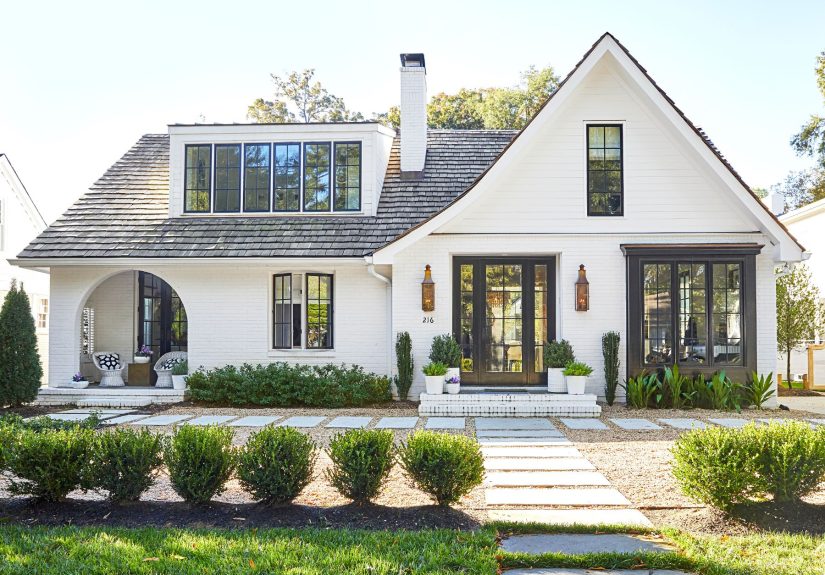
If you’ve ever driven through a neighborhood and thought, “That house is cute… but what is it?”welcome.
The good news: you don’t need an architecture degree or a monocle to identify popular house styles. You just need a
few clues: rooflines, windows, materials, symmetry (or chaos), and whether the porch looks like it’s ready to host a
lemonade empire.
This guide breaks down 33 popular house styles and the defining characteristics that make each one recognizable.
Along the way, you’ll learn what to look for on the outside (curb appeal giveaways) and what to expect inside
(layouts, vibes, and the occasional “Why is the hallway doing that?” moment). Whether you’re house-hunting,
remodeling, writing listings, or just trying to win arguments on neighborhood walks, these architectural house styles
will make you dangerously informed.
How to Spot a House Style Fast
When you’re trying to identify a home’s architectural style, focus on four things first:
- Roof shape: gable, hip, gambrel, flat, steep, low-slungroofs are basically the house’s hairstyle.
- Windows and symmetry: balanced facades and evenly spaced windows usually point to classic styles.
- Materials: brick vs. clapboard vs. stucco vs. shingles can narrow the list quickly.
- Details: columns, brackets, half-timbering, arches, dormers, porches, and trim tell the real story.
Classic American & Early European Influences
1) Colonial
Colonial homes are the “buttoned-up blazer” of house styles: structured, balanced, and timeless. They’re often two
stories with a centered front door and evenly spaced windows.
- Defining look: symmetry, rectangular shape, simple trim
- Common materials: brick or clapboard
- Inside: traditional layouts with rooms branching off a central hall
2) Colonial Revival
Colonial Revival takes the original Colonial idea and refreshes itlike “classic, but make it slightly roomier.”
Expect shutters, dormers, and more decorative entries.
- Defining look: symmetrical facade with upgraded details
- Giveaway: prominent entryway (pediment, columns, sidelights)
- Inside: classic bones with modernized flow
3) Georgian
Georgian style leans formal and stately. You’ll often see brick exteriors, a rigidly symmetrical front, and a strong
sense of “someone here definitely owns a nice umbrella.”
- Defining look: strict symmetry, multi-pane windows
- Roof: side-gabled, often with chimneys
- Details: classical trim around the front door
4) Federal
Federal homes evolved from Georgian style but got a bit more elegantlighter ornament, refined proportions, and
signature entry details like fanlights.
- Defining look: understated symmetry
- Signature detail: elliptical fanlight over the front door
- Windows: often tall and slender
5) Cape Cod
Cape Cod houses are compact, cozy, and built for harsh weathersteep roofs, simple shapes, and a “let’s not fight
the wind” attitude. Many have dormers added later.
- Defining look: steep side-gabled roof, simple facade
- Materials: shingles or clapboard
- Inside: efficient layouts; upstairs can be charmingly tight
6) Dutch Colonial
The gambrel roof is the star heretwo slopes on each side, creating more upper-level space. It’s the architectural
equivalent of “I want an attic, but make it livable.”
- Defining look: gambrel roof (barn-like profile)
- Bonus: spacious upper floor compared to standard gables
- Often includes: dormers and a centered entry
7) Saltbox
Saltbox homes are known for their long, sloping rear rooflinelike a house wearing a dramatic cape… backward. The
asymmetry is the clue.
- Defining look: two stories in front, one in back
- Roof: long, sloping rear roof
- Vibe: historic New England practicality
8) Greek Revival
If a house looks like it might host a philosophical debate on the porch, it may be Greek Revival. Think strong
columns, triangular pediments, and bold, temple-like presence.
- Defining look: classical columns and pediments
- Color: often light/white exteriors historically
- Entry: prominent, formal, and centered
9) Neoclassical
Neoclassical homes borrow classical elements (columns, symmetry) but tend to feel grander and more “estate-like.”
The columns can span full height, and the entry makes a statement.
- Defining look: large columns, balanced facade
- Scale: often bigger than Greek Revival
- Feel: formal, elegant, sometimes mansion-adjacent
Arts & Crafts, Early 1900s Practicality, and “Let’s Build Real Stuff”
10) Craftsman
Craftsman homes celebrate handwork and natural materials. They’re famous for low-pitched roofs, wide eaves,
exposed rafters, and front porches that practically demand a rocking chair.
- Defining look: tapered columns, deep porch
- Materials: wood, stone, mixed textures
- Inside: built-ins, warm wood tones, practical rooms
11) Craftsman Bungalow
This is Craftsman’s compact, cozy siblingoften one to one-and-a-half stories, with a strong horizontal feel and a
porch that ties indoor life to the outdoors.
- Defining look: low, spreading form
- Roof: broad with generous overhangs
- Inside: efficient, charming, and full of character
12) Prairie
Prairie style emphasizes horizontal lines and integration with the landscape. Expect low-pitched roofs, wide
overhangs, and bands of windows that stretch the house visually.
- Defining look: strong horizontality
- Windows: grouped or ribbon-style
- Inside: open, flowing spaces for its era
13) American Foursquare
Foursquares are boxy, practical, and beloved by renovators (hello, usable rooms). Typically two stories with a
hipped roof, they often have a front porch and a simple, solid presence.
- Defining look: box shape, balanced facade
- Roof: usually hipped with a dormer
- Inside: four-room plan per floor in many originals
Old-World Charm & Storybook Curb Appeal
14) Tudor
Tudor style is recognizable by steep roofs, decorative half-timbering, and tall, narrow windows. It’s the house
style most likely to look good during a foggy morning.
- Defining look: steep gables, half-timbering
- Materials: stucco with wood accents, brick
- Details: prominent chimneys, arched doors
15) English Cottage
English Cottage homes are smaller, cozier, and often a bit whimsicalrounded doorways, compact footprints, and
charming rooflines that suggest a fireplace is definitely involved.
- Defining look: cozy scale, steep roof, charming details
- Windows: casement styles are common
- Feel: storybook without being too theatrical
16) French Country
French Country blends rustic warmth with refined touchesthink steep roofs, arched openings, and textured
materials like stone or stucco. It looks “casual elegant,” like linen that’s allowed to wrinkle on purpose.
- Defining look: steep rooflines, arched doors/windows
- Materials: stone, stucco, brick accents
- Extras: shutters, iron details, asymmetry
Victorian-Era Drama (a.k.a. “More Trim, Please”)
17) Victorian
“Victorian” often describes an era more than one exact look, but the shared theme is ornamentationdecorative trim,
bold silhouettes, and lots of visual interest. These homes don’t whisper; they monologue.
- Defining look: decorative trim, complex rooflines
- Common features: porches, bays, tall windows
- Inside: separate rooms, high ceilings, detail galore
18) Queen Anne
Queen Anne is the showstopper of many Victorian neighborhoods: asymmetry, towers or turrets, varied textures, and
wraparound porches that feel built for grand entrances.
- Defining look: asymmetry, turrets, mixed materials
- Details: ornate spindlework, patterned shingles
- Overall vibe: delightful architectural maximalism
19) Italianate
Italianate homes often look tall and refined, with low-pitched roofs and wide eaves supported by decorative
brackets. Many feature narrow windows and a “townhouse-in-the-country” elegance.
- Defining look: bracketed eaves, tall proportions
- Windows: narrow, sometimes with hood moldings
- Extras: cupolas or towers appear in some examples
20) Second Empire
The mansard roof is the big tell: a steep lower slope with a flatter top, often punctuated with dormers. Second
Empire style reads “fancy” even when it’s just minding its business.
- Defining look: mansard roof
- Details: ornate dormers, decorative trim
- Why it matters: creates usable attic space
21) Gothic Revival
Gothic Revival brings pointed arches, steep gables, and dramatic vertical lines. Some examples feel church-adjacent
(in the best way), especially with decorative vergeboards.
- Defining look: pointed-arch windows/doors
- Roof: steep and dramatic
- Details: ornamental trim along gables
22) Shingle Style
Shingle Style homes are wrapped in (you guessed it) shinglesoften creating a unified, sculpted exterior. Common in
coastal areas, they can feel breezy yet substantial, like a summer house that takes itself seriously.
- Defining look: continuous shingle cladding
- Shapes: asymmetry, complex forms, sweeping rooflines
- Setting: coastal and East Coast vibes are common
Postwar Favorites & Suburban Icons
23) Ranch
Ranch homes are famously single-story (or mostly), with long, low profiles and open-ish layouts. They’re built for
easy living, easy mowing, and easy “why yes, the kitchen is right there.”
- Defining look: one-story, horizontal emphasis
- Roof: low-pitched
- Inside: casual flow, often with big living areas
24) Split-Level
Split-level homes stack living spaces across short flights of stairsoften with a garage or family room on a lower
level and bedrooms a half-story up. It’s a practical solution for sloped lots and busy families.
- Defining look: staggered floors visible from the facade
- Entry: often lands between levels
- Inside: separation of zones without a full two-story plan
25) Midcentury Modern
Midcentury Modern is all about clean lines, indoor-outdoor connection, and big windows. Many feature low roofs,
open plans, and materials that feel honestwood, stone, glassno pretending to be a castle.
- Defining look: large glass, simple forms
- Roof: low-pitched, sometimes flat
- Inside: open layouts, strong connection to nature
Modern Life, Minimal Fuss (Mostly)
26) Contemporary
Contemporary style means “of the moment,” so it evolves. You’ll often see mixed materials, large windows, simple
shapes, and design choices that prioritize light and function.
- Defining look: current trends, clean geometry
- Materials: mixed siding, metal, glass, stone
- Inside: open plans and flexible spaces
27) Modern (International/Minimalist)
Modern (in the architectural sense) leans minimalist and intentional: flat or low-slope roofs, crisp lines, and a
“less but better” approach. Details are subtle; proportions do the talking.
- Defining look: minimal ornament, strong forms
- Windows: large panes, often black frames
- Inside: open, airy, and usually very intentional lighting
28) Art Deco
Art Deco homes bring geometric flairzigzags, stylized motifs, and a sense of glamour. You might see stepped forms,
decorative panels, and a strong vertical emphasis.
- Defining look: geometric ornament and symmetry
- Materials: stucco, smooth surfaces, decorative metals
- Vibe: vintage sophistication with a little sparkle
29) Streamline Moderne (Art Moderne)
Streamline Moderne is Art Deco’s aerodynamic cousincurved corners, horizontal lines, and a sleek “ready for takeoff”
look. Think smooth stucco, banded windows, and sometimes nautical vibes.
- Defining look: rounded edges, horizontal striping
- Windows: corner windows or glass blocks in some examples
- Overall feel: vintage, streamlined, and surprisingly playful
Warm-Climate Legends & Southwestern Soul
30) Spanish Colonial
Spanish Colonial homes often feature stucco walls, red clay tile roofs, arches, and courtyards. They’re designed
for sun, shade, and a lifestyle that includes at least one dramatic wooden door.
- Defining look: stucco, arches, clay tile roof
- Details: wrought iron, courtyard entries
- Inside: cool materials and indoor-outdoor flow
31) Mediterranean Revival
Mediterranean Revival takes inspiration from Spanish and Italian coastal architecturestucco walls, tile roofs, and
decorative balconies or arcades. It often feels resort-like, even if the “resort” is your Tuesday.
- Defining look: stucco + tile + arches
- Extras: balconies, columns, ornate details
- Setting: common in warm regions and coastal areas
32) Mission Revival
Mission Revival is known for stucco walls and signature curved parapets (often called “mission-shaped” gables).
You’ll also see arches and deep porches designed for shade.
- Defining look: curvilinear gables/parapets
- Materials: stucco, clay tile roofs
- Details: arches and shaded arcades
33) Pueblo Revival (Southwestern/Adobe)
Pueblo Revival homes feature thick, adobe-like walls, flat roofs, rounded edges, and wooden beams (vigas) that may
extend through the exterior. The style is grounded, earthy, and built for heat management.
- Defining look: rounded forms, thick stucco/adobe walls
- Roof: flat with parapets
- Details: vigas, small windows, earthy color palettes
Choosing a Style That Actually Fits Your Life
House styles aren’t just about looks; they shape your daily routine. A Ranch can make aging-in-place easier. A
Victorian might require more maintenance (translation: your weekends may become “trim appreciation time”).
A Modern home’s big windows can be dreamyunless your climate is “sun that fights back,” in which case shading and
glass specs matter. The best approach is to match architecture to lifestyle: climate, budget, family needs,
maintenance tolerance, and how much you enjoy polishing doorknobs.
Real-Life “House Style” Experiences (Extra )
There’s a special kind of joy that happens when you learn to identify architectural house styles in the wild.
Suddenly, your weekend errands turn into a low-stakes scavenger hunt: “Oh wow, that’s a Dutch Coloniallook at that
gambrel roof!” It’s the grown-up version of learning dinosaur names, except the dinosaurs have porches and HOA
rules.
Touring homes in different styles also changes what you notice. In a Colonial or Georgian, you feel the logic of
symmetry. Rooms tend to behave themselves. Hallways go where you expect. The house feels like it respects your
calendar. But step into a Queen Anne Victorian and it’s a different storynooks, angles, and surprises. You start
imagining how furniture will fit and whether your vacuum is emotionally prepared for the staircase situation.
Renovation experiences vary wildly by style, too. A Craftsman Bungalow might greet you with beautiful built-ins and
woodworkthen politely ask you to learn about lead-safe practices and knob-and-tube wiring, just for fun. Ranch
homes often feel like a remodeler’s open canvas: you can rework layouts, expand kitchens, add sliders to the yard,
and create the kind of everyday flow that modern families love. Meanwhile, Midcentury Modern homes can be both easy
and demanding. The lines are clean, but the “clean” needs to stay clean. Replacing one window might turn into a
quest to find the right profile so the whole house doesn’t feel off.
Climate is another real-life teacher. Spanish Colonial and Mediterranean Revival homes often make immediate sense
in warm regions: stucco exteriors, tile roofs, shaded courtyards, and smaller openings can help manage heat. When
those same features appear in a very different climate, you notice how builders adaptbetter insulation, updated
window systems, and roof assemblies that can handle snow loads. It’s a reminder that architecture is both art and
problem-solving: style is the language, but climate is the grammar.
The most fun experience, honestly, is learning that styles can mix. A house might have a Colonial Revival face but
a more contemporary interior layout. A “modern farmhouse” might borrow from traditional farmhouses while using
modern windows and open plans. Even historic neighborhoods contain hybridshomes updated over decades, each owner
adding a chapter. Once you start seeing those layers, you stop thinking of houses as static objects and start
seeing them as living design decisions. And that’s when identifying popular house styles goes from “useful” to
“okay, I can’t stop pointing at rooflines now.”
Conclusion
The best way to get good at spotting architectural styles is repetition: look at rooflines, windows, materials,
and details until patterns start popping. With these 33 popular house styles in your back pocket, you can describe
what you love (and what you don’t) with confidencewhether you’re shopping, renovating, or just trying to label the
“cute one with the arches and the courtyard.”