Table of Contents >> Show >> Hide
Hollywood loves a party montage: champagne towers, red-cup chaos, and someone dramatically spilling a martini like it’s an Olympic sport.
But a surprising number of famous faces are living the alcohol-free lifeby choice, for health, for recovery, or simply because they
don’t like how booze makes them feel.
This list isn’t about judging anyone who drinks (or doesn’t). It’s about spotlighting celebrities who don’t drink alcoholand the
refreshingly normal reasons behind that decision. If you’ve ever been the person holding a seltzer at a wedding while someone asks, “Wait… are you okay?”
welcome home.
Why Some Celebrities Choose an Alcohol-Free Lifestyle
The reasons are rarely mysterious. Many sober celebrities talk about wanting clearer mental health, better sleep, stronger boundaries,
or simply a calmer life. For others, sobriety is part of long-term recoverya deliberate choice to avoid relapse and protect their well-being.
And yes, there’s also the most relatable reason of all: some people just don’t like alcohol. Not everyone wants the “fun” part that comes with
headaches, regret texts, and accidentally befriending a bathroom line.
A quick note on language
“Sober” can mean different things to different people. In this article, “doesn’t drink” refers to celebrities who have publicly described themselves
as abstaining from alcohol or actively maintaining sobriety.
The 17 Celebrities Who Don’t Drink Alcohol
Below are 17 well-known names who’ve publicly talked about not drinking. Each mini-profile includes context, what they’ve shared, and a practical
takeaway you can steal for your own alcohol-free (or alcohol-light) life.
1) Blake Lively
Blake Lively has been candid about the fact that she doesn’t drink because she doesn’t like the effects of alcohol. The plot twist: she still likes the
social vibepeople gathering, snacks appearing, laughter happeningjust without the buzz.
Takeaway: You can love the party without needing the pour. Being alcohol-free doesn’t mean being anti-fun; it means being pro-you.
2) Zendaya
Zendaya has talked publicly about not drinking alcohol, often framing it as a personal choice shaped by what she’s seen around her. Her message is
consistent: she’s not interested in alcohol, and she’s comfortable saying so.
Takeaway: “I’m good, thanks” is a complete sentence. You don’t need a dramatic backstory to decline a drink.
3) Tom Holland
Tom Holland has shared that his decision to stop drinking started as a challenge (Dry January), then turned into a bigger realization about his
relationship with alcohol. Over time, he’s described sobriety as a major positive shift in his lifeone that helped him feel more present and capable.
Takeaway: Sometimes the “test month” reveals more than you expect. Curiosity can be the first step toward real change.
4) Bradley Cooper
Bradley Cooper has spoken about getting sober in his late 20s and staying committed long-term. He’s described sobriety as a turning point that helped
him build a steadier life and show up more fullyboth personally and professionally.
Takeaway: Sobriety isn’t “missing out.” For many people, it’s finally getting their life back in high definition.
5) Robert Downey Jr.
Robert Downey Jr. is one of the most widely discussed comeback stories in modern celebrity culture. He has spoken over the years about getting clean and
building stability after addiction, crediting support, structure, and personal commitment.
Takeaway: Reinvention is real. Your past can explain you, but it doesn’t get to decide your ending.
6) Daniel Radcliffe
Daniel Radcliffe has shared that he stopped drinking after realizing alcohol had become a coping tool for the pressure of early fame. He’s described
choosing sobriety as a way to feel better in his own life rather than living in constant “escape mode.”
Takeaway: If alcohol becomes your stress-management plan, it’s worth asking what it’s actually managingand what it’s quietly
multiplying.
7) Eminem
Eminem has publicly marked sobriety milestones and spoken about getting sober after a dangerous period in his life. He’s shared how recovery required
consistent effort and support, and how sobriety became a foundation for rebuilding.
Takeaway: Milestones matter. Celebrating progress isn’t braggingit’s reinforcing a life-saving pattern.
8) Elton John
Elton John has openly discussed his long-term sobriety and has marked multiple sobriety anniversaries publicly. He’s also spoken about supporting others
in recovery, emphasizing that getting sober changed the trajectory of his life.
Takeaway: Sobriety can be a legacy. When people talk openly about recovery, they make the path less lonely for everyone behind them.
9) Demi Lovato
Demi Lovato has been very public about recovery and the idea that sobriety isn’t one-size-fits-all. At different times, they’ve described shifting their
approach and ultimately committing to full sobriety, including not drinking alcohol.
Takeaway: Recovery can evolve. Adjusting your plan isn’t failureit’s learning what truly supports you.
10) Zac Efron
Zac Efron has spoken about getting sober and finding structure in that decision. In interviews, he’s described sobriety as something that helped him feel
more balanced and grounded during an intense period of fame.
Takeaway: Structure is underrated. The “boring” stuffroutine, sleep, steady habitsoften builds the best life.
11) Samuel L. Jackson
Samuel L. Jackson has talked about quitting alcohol and the clarity that came with sobriety. He’s described it as a deliberate life change that helped
him move forward in a healthier direction.
Takeaway: You don’t have to hit a cinematic rock bottom to decide you want something different.
12) Jamie Lee Curtis
Jamie Lee Curtis has long been open about sobriety and has discussed recovery with honesty and compassion. She’s spoken about maintaining sobriety over
many years and the value of being direct about what it takes.
Takeaway: Long-term sobriety is built on small, daily choicesnot one dramatic moment of willpower.
13) Rob Lowe
Rob Lowe has publicly discussed being sober for decades. He often frames sobriety as a decision that brought stability and helped him be more present for
the life he actually wanted.
Takeaway: “My life got better” is a valid reason. You don’t need to justify choosing what helps you thrive.
14) Anthony Hopkins
Anthony Hopkins has spoken about getting sober many years ago and has encouraged others with a message of hope. His story is often cited as an example of
how sobriety can open the door to a longer, more connected life.
Takeaway: It’s never “too late” to change. The next chapter can start on a totally ordinary day.
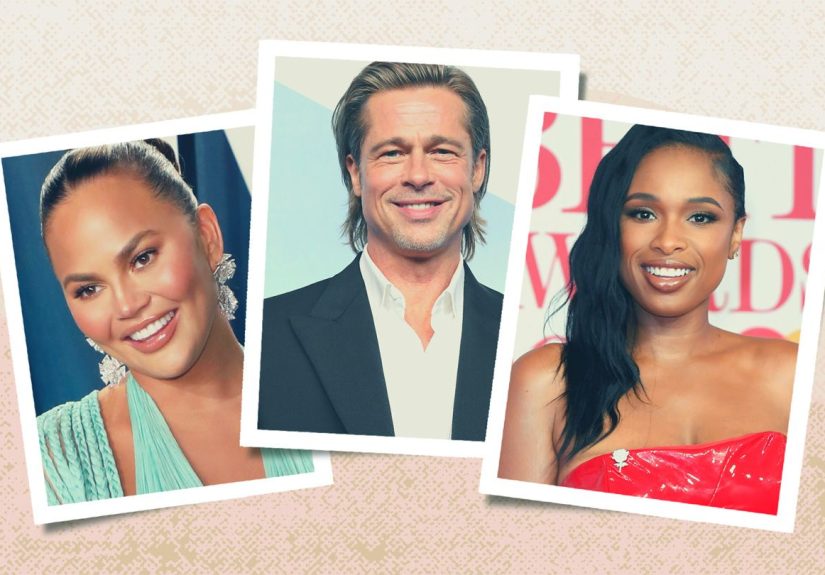
15) Brad Pitt
Brad Pitt has discussed quitting drinking and pursuing sobriety after a difficult period in his personal life. He’s described taking recovery seriously,
including participating in peer support settings.
Takeaway: Accountability helps. Whether it’s a friend, a group, or a professional, support makes hard change sustainable.
16) Dax Shepard
Dax Shepard has been open about long-term sobriety, including the reality that recovery can involve setbacks. He’s discussed the importance of honesty,
support systems, and returning to healthy routines after challenges.
Takeaway: Progress isn’t always a straight line. What matters most is getting back upand staying connected.
17) Lucy Hale
Lucy Hale has spoken openly about choosing sobriety and how her day-to-day life improved after she stopped drinking. She’s described feeling more like
herself and more capable of handling emotions without numbing.
Takeaway: Alcohol can dull pain, but it also dulls joy. Many people in sobriety describe finally feeling “real” again.
What We Can Learn from Celebrities Who Don’t Drink Alcohol
1) “No thanks” is a power move
Many of these celebrities don’t present sobriety as punishment. They frame it as a choicesometimes hard-earned, sometimes simpleand that confidence is
contagious. If you want to drink less (or not at all), you’re allowed to do that without a courtroom-level explanation.
2) Social life doesn’t have to revolve around alcohol
A lot of “drinking culture” is really “togetherness culture.” People want a reason to gather. That can be dinner, games, concerts, early-morning hikes,
movie nights, or literally anything involving snacks.
3) Recovery stories reduce stigma
When public figures talk about sobriety, they normalize getting help. That mattersbecause shame keeps people stuck. Honesty creates options.
4) Health isn’t just physical
Better sleep, steadier moods, clearer mornings, fewer regretsthese are common benefits people report when they live alcohol-free. And for many, that
mental clarity is the best “glow up” of all.
If you’re thinking about changing your drinking habits and you’re worried it’s become hard to control, consider reaching out to a trusted adult,
a healthcare professional, or a qualified counselor for support.
Real-World Experiences: What It’s Like to Be the Non-Drinker (500+ Words)
Being alcohol-free in a world that treats drinking like a default setting can feel like showing up to a costume party in normal clothesat first.
The funny thing is, once you’re comfortable, it’s everyone else who starts acting a little weird about it.
One of the most common experiences non-drinkers describe is the “interview.” You know the one:
“Wait… you’re not drinking?” (pause) “Like… at all?” (pause) “Are you on antibiotics?” (pause) “Are you training for something?” (pause)
“Are you… judging me?” (longer pause).
What’s happening in that moment isn’t really about your cup. It’s about social expectations. In many groups, alcohol is a shortcut to shared rituals:
a toast, a round of shots, a “cheers” that signals belonging. When you opt out, some people worry the vibe will changelike the music stops if someone
orders sparkling water. Spoiler: the music does not stop.
Another common experience is learning how to stay included without pretending. Lots of people find that holding something helpsseltzer with lime,
a mocktail, iced tea, or a nonalcoholic beer. Not because you need camouflage, but because it reduces the number of “Can I get you a drink?” laps you’ll
have to run. Think of it as social ergonomics.
Then there’s the “second-hour shift.” At many events, the first hour is mostly normal conversation. The second hour is when volume increases, stories get
repeated, and someone’s laugh starts sounding like it’s trying to win a talent show. Non-drinkers often notice that this is when they quietly become the
most powerful person in the room: the one who can drive, remember details, and wake up tomorrow without feeling like their brain was marinated overnight.
People also talk about how sobriety changes friendships. Some relationships get strongerbecause you’re connecting for real. Some fadebecause the only
glue was the shared habit of drinking. That can feel sad, but it can also feel clarifying. Many non-drinkers describe realizing they don’t actually miss
alcohol as much as they thought; they miss the idea of easy socializing. The good news is that easy socializing can exist without alcoholit just might
look like brunch, coffee, hiking, movie nights, or early-morning golf where you’re “fresh as a daisy” while your friends are negotiating with their
hangovers.
Perhaps the biggest experience people report is a shift in self-trust. When you choose not to drink (whether for recovery, health, religion, personal
preference, or just “because”), you start practicing a skill that spills into everything else: making decisions you genuinely mean. That skill is
surprisingly rareand extremely valuable.
In other words, the alcohol-free life isn’t a smaller life. For many people, it’s a clearer one. And clear is kind of a superpower.
Conclusion
From lifelong non-drinkers to people in long-term recovery, these 17 celebrities who don’t drink alcohol prove there’s no single
“right” reason to go alcohol-free. Some quit for health. Some quit for mental clarity. Some quit because they had toand then discovered they
actually like life better this way.
The most useful lesson isn’t celebrity-specific: you’re allowed to choose what helps you feel stable, clear, and present. Whether you’re cutting back,
taking a break, or committing to sobriety long-term, the best plan is the one that supports your lifenot the one that impresses someone at a party.