Table of Contents >> Show >> Hide
You step outside with your morning coffee, admire your lawn, and then you see it:
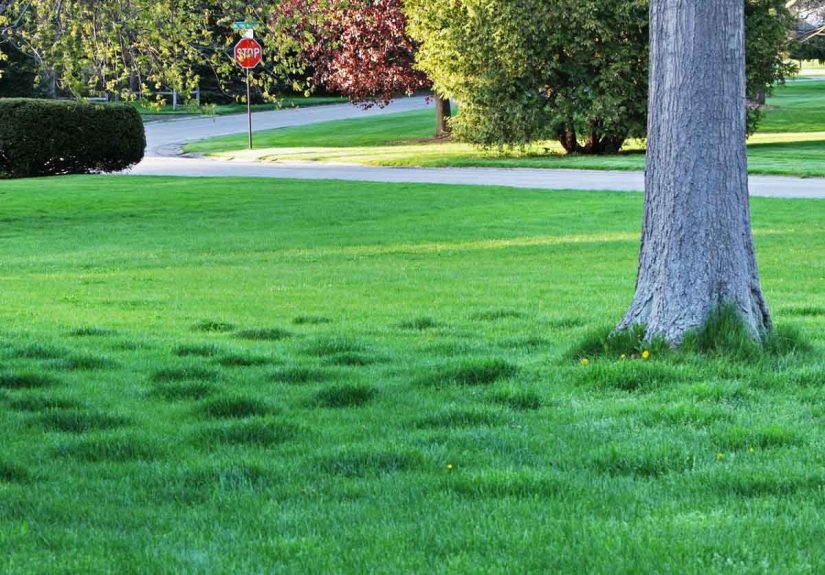
random thick patches of grass puffed up like little green pillows. They’re darker,
taller, and smugly healthier than everything around them. Are these spots a good
sign, a bad omen, or just your yard’s way of trolling you?
The short answer: those thick patches are usually your lawn trying to tell you
something about water, nutrients, soil, or sneaky grasses that weren’t invited to
the party. The good news is that once you decode the message, you can even things
out and get that smooth, carpet-like turf you see in magazines.
What Those Thick Patches of Grass Are Trying to Tell You
Thick patches of grass aren’t all the same. Some are just normal lawn grass growing
a little too enthusiastically; others are coarse invaders that clash with your
regular turf. Some come from dog urine, old buried debris, or a leaky sprinkler
head. Understanding which type you’re dealing with is the key to choosing the right
fix instead of just mowing and hoping for the best.
1. Regular Lawn Grass Growing Where It Doesn’t Belong
One of the most common reasons for thick grass patches is that a different variety
of turf has snuck into the mix. For example, clump-forming types like tall fescue
or rough bluegrass can show up inside a lawn that’s mostly fine-bladed Kentucky
bluegrass or perennial ryegrass. These clumping grasses grow in dense, upright
tufts that look thicker, darker, and taller than the surrounding turf.
How does this happen? The grass seed you used for overseeding may have had a few
“bonus” seeds mixed in, or the seeds were already in the soil before the lawn was
installed. Birds, wind, or run-off can also deliver stray seeds right into the
middle of your yard. Over time, those clumps expand and become very noticeable,
especially after mowing, when everything else looks tidy and those tufts are still
standing like little green islands.
2. Bunch-Type Grassy Weeds
Not every thick patch is a friendly grass variety. Sometimes the culprit is a
bunch-type grassy weed such as dallisgrass or orchardgrass. These weeds tend to:
- Form obvious clumps instead of spreading evenly.
- Have thicker, wider blades than your regular turf.
- Grow faster, so they stick up above the lawn shortly after mowing.
If the texture is much coarser or the color is totally different, you’re probably
looking at coarse grasses or grassy weeds, not just a different cultivar of lawn
grass. Left alone, they can dominate sections of the yard and make the lawn look
patchy, rough, and uneven.
3. Dog Urine: Nature’s Overenthusiastic Fertilizer
Dog owners, this one’s for you. Dog urine is rich in nitrogen. In small doses,
nitrogen is exactly what grass wants it’s the main ingredient in many lawn
fertilizers. But in high concentration, it can burn grass and create yellow or
brown “burn” spots. Right around those burnt centers, however, you’ll often see
super-thick, dark green rings where the nitrogen was diluted enough to act like a
heavy fertilizer dose.
If you notice the lush patches lining up perfectly with your dog’s favorite potty
route, it’s not a coincidence. The pattern will usually be small areas, often in
the same places near paths, fences, or corners where your dog patrols the yard.
4. Decomposing Organic Matter and Old Soil Problems
Thick patches of grass can also develop over spots where something is decomposing
under the soil think old tree roots, a removed stump, buried wood, or even an
old pile of composted debris that was never spread out evenly. As that buried
material breaks down, it releases nutrients into the soil, feeding a small section
of turf more generously than the rest of the lawn.
The result: little circles or stripes of extra-thick grass right where the
nutrients are richest. You might see this effect a year or two after a tree
removal, or in an area where topsoil was added in a hurry and not mixed thoroughly.
5. Watering and Sprinkler Issues
Water isn’t always evenly distributed, especially when sprinklers are involved.
A leaky head, clogged nozzle, or misaligned spray pattern can leave one small area
constantly wetter than everything around it. Grass in that zone may grow faster,
thicker, and darker, creating visible clumps or strips of “super grass.”
Overwatering can also make certain grasses bunch up and become patchy. If water
pools in low spots or along a slope, you’ll often see thicker growth where the
soil stays consistently moist and thinner growth where it dries out quickly.
6. Thatch, Compaction, and Disease
While thick patches usually stand out because they look better than the rest of
the lawn, sometimes they’re just the “least stressed” parts of a struggling yard.
Heavy thatch the spongy layer of dead stems and roots on top of the soil can
block water and nutrients from reaching grass roots. Compacted soil can do the
same. In these situations, the areas with less compaction or thinner thatch may
grow thicker, while everything else looks thin, pale, or even diseased.
Fungal diseases, like patch diseases that create mottled patterns of growth, can
also make the lawn look uneven. Some areas recover faster, others lag behind,
leaving a quilt of thin and thick patches across the yard.
How To Diagnose Thick Patches of Grass on Your Lawn
Before you start ripping out clumps or dumping seed everywhere, it’s worth playing
lawn detective. A quick, simple checklist can save you time and money.
Step 1: Look Closely at Color and Texture
Get down at grass level (yes, your neighbors may stare) and compare the thick
patch with the surrounding turf:
- Are the blades wider or coarser?
- Is the color darker, bluer, or more yellow?
- Do the blades grow upright in tufts instead of spreading evenly?
If the answers are yes, you may have a different species or a coarse grassy weed.
Step 2: Check for Patterns
Patterns give big clues:
- Small, repeating spots in a line or near paths → often dog urine.
- Strips or arcs that follow your sprinkler coverage → irrigation issues.
- Circular patches near removed trees or stumps → decomposing roots.
- Random, isolated clumps → clumping grasses or weeds.
Step 3: Dig a Small Plug
Use a hand trowel or soil knife to dig a small plug (about 3 inches wide and deep)
from the thick patch:
- Look at the root system is it shallow and clumpy or fibrous and spreading?
- Check for thatch thickness; more than 1/2 inch can affect growth patterns.
- Feel the soil overly compacted soil will feel dense and hard to break apart.
Step 4: Review Your Lawn Habits
Think about how you mow, water, and fertilize:
- Mowing wet grass can leave clippings in clumps that smother some areas.
- Watering more than about an inch per week, or watering daily, can create soggy zones.
- Uneven fertilizer application can cause stripes or spots of lush growth.
Once you’ve pieced together these clues, you’ll usually have a good idea whether
you’re dealing with dog spots, coarse grass, a sprinkler issue, or a soil problem.
How To Fix Thick Clumps and Even Out Your Lawn
1. Decide What You Want to Keep
Not every thick patch has to go. If the clump is actually a high-quality turf
grass that you like, you might choose to encourage the rest of the lawn to catch
up by improving soil, fertilizing evenly, and overseeding the thin areas.
However, if the clump is coarse, weedy, or totally different in color and texture,
removing it is usually the best move for a uniform, professional look.
2. Remove Unwanted Patches
For coarse grasses and bunch-type weeds:
- Dig them out with a shovel or weeding tool, removing as much root as possible.
- For large patches, you can spot-treat with a non-selective herbicide and then re-seed.
- Dispose of the clumps so they don’t re-root elsewhere.
After removal, lightly loosen the soil in the bare spot and mix in compost or
topsoil so your new seed or sod has a soft, nutrient-rich place to grow.
3. Overseed and Rebuild Thin or Bare Areas
Once you’ve removed the unwanted thick patches, overseeding helps you fill in gaps
and smooth out the look of the entire lawn:
- Choose a seed blend that matches your existing grass type and sun conditions.
- Rake the soil lightly, spread seed evenly, and top with a thin layer of compost or topsoil.
- Keep the area consistently moist (not soggy) until the new grass is established.
Overseeding the whole lawn, not just the repaired spots, can dramatically improve
density and help prevent future patchiness.
4. Tame Dog Urine Spots
You don’t have to choose between your dog and your lawn. To limit thick rings and
burnt centers:
- Train your dog to use one designated area, then treat that zone as a small repair project.
- Immediately hose down favorite spots after your dog goes to dilute the nitrogen.
- Rake out dead material, flush with water, and reseed or resod as needed.
Some homeowners also create a gravel or mulch “bathroom area” to spare the rest of
the grass from repeated heavy doses of urine.
5. Fix Sprinklers and Watering Patterns
If thick patches of grass line up with sprinkler coverage, it’s time for an
irrigation checkup:
- Run each zone and watch where water overlaps or barely reaches.
- Adjust heads so they rotate and spray correctly, and replace broken or clogged nozzles.
- Aim for deep, infrequent watering about one inch of water per week, applied in one or two sessions.
This encourages roots to grow deeper and more evenly, instead of clustering in
constantly soggy zones.
6. Improve Soil and Thatch Conditions
If compaction or thatch is causing uneven growth, addressing the soil will
transform your lawn faster than any single product:
- Core aerate compacted areas to let air, water, and nutrients reach the roots.
- Dethatch if the thatch layer is thicker than about 1/2 inch.
- Topdress with a thin layer of compost to add organic matter and improve soil structure.
Follow up with balanced fertilization according to a soil test, rather than
guessing. Healthy soil creates more consistent growth, which makes thick patches
blend in instead of standing out.
7. Mow Smarter, Not Shorter
Mowing practices can either hide or highlight thick patches. For a more uniform,
lush look:
- Keep blades sharp so you’re cutting cleanly instead of tearing the grass.
- Set your mower high (around 3 inches for many cool-season grasses).
- Follow the one-third rule: never remove more than one-third of the blade in a single mowing.
- Avoid mowing when the grass is wet to prevent clumps of stuck-together clippings.
Taller, healthier grass shades the soil, helps crowd out weeds, and reduces
dramatic differences between thick and thin patches.
Real-Life Lawn Lessons: Experiences With Thick Grass Patches
Talk to any long-time homeowner and you’ll hear at least one “mystery patch”
story. These real-world situations illustrate how different the causes and
solutions can be.
The Leaky Sprinkler Story. One homeowner noticed a band of extra
thick, dark green grass snaking through the yard. At first they assumed it was a
different grass type or leftover sod. After running the irrigation system during
the day instead of overnight, they saw one sprinkler head quietly bubbling instead
of spraying. The constant trickle had turned that section into an all-you-can-drink
buffet for the grass. Fixing the head and adjusting the schedule evened out growth
within a few weeks.
The Dog Corner Dilemma. Another family kept wondering why one
small corner of their lawn always had bright green circles surrounded by rough,
crispy edges. A few mornings of watching the dog’s routine solved the mystery.
They fenced off a small pea-gravel potty zone, reseeded the damaged grass, and
started hosing any accidental spots right away. The result: a happier dog and a
lawn without neon green bullseyes.
The Ghost of the Old Tree. A homeowner who had removed a large
maple tree a couple of years earlier started seeing thick, circular patches of
grass where the tree once stood. A shovel test revealed decaying roots and richer
soil in those circles. By gently leveling the area, mixing the rich soil into the
surrounding ground, and overseeding everything, they turned an odd “tree shadow”
into a smooth, uniform lawn.
The Seed Surprise. Finally, there’s the “bargain seed” story:
someone overseeded with a discount mix that quietly included a lot of tall fescue
in a mostly bluegrass lawn. The next season, they noticed random thick clumps of
taller, coarser grass. Instead of replacing the entire yard, they tackled it in
stages digging out the worst clumps, spot-seeding with a better-matched blend,
and gradually transforming the lawn over a couple of seasons. The lesson learned:
read seed labels carefully and stick with reputable brands matched to your region
and existing turf.
Across all these experiences, a pattern emerges: thick patches are rarely random.
They’re the visible sign of something happening below the surface water, soil,
seed, or pets. Once you learn to read those signs, you stop seeing patches as a
problem and start treating them as clues that help you improve your entire lawn.
Conclusion: Thick Patches Today, Dream Lawn Tomorrow
Thick patches of grass on your lawn can look strange, but they’re not a reason to
panic. Whether the cause is clumping grasses, dog urine, buried organic matter,
or uneven watering, each problem has a practical fix. By identifying what’s going
on, removing what doesn’t belong, and improving how you water, mow, and seed, you
can turn a spotty yard into a consistently lush, healthy lawn.
Think of those tufts and clumps as your lawn’s feedback form. Once you listen and
respond, your grass will repay you with even color, soft texture, and a smooth
surface that makes your neighbors quietly wonder which pro you hired.