Table of Contents >> Show >> Hide
- What whole-body cryotherapy actually is
- So, what does whole-body cryotherapy feel like?
- Why people try whole-body cryotherapy
- What the evidence says, minus the hype machine
- Potential benefits people commonly report
- Risks you should take seriously
- How it compares with an ice bath or an ice pack
- What to know before booking a session
- The honest verdict
- Extended experience: a realistic first-session walkthrough
If you have ever wondered what it feels like to voluntarily stand in a chamber colder than your freezer, your winter driveway, and possibly your ex’s heart, welcome to the weirdly popular world of whole-body cryotherapy. It sounds dramatic because, frankly, it is. You step into a cryotherapy chamber wearing very little, endure a blast of ultra-cold air for a few minutes, step out feeling equal parts heroic and confused, and then try to decide whether you are refreshed, frozen, or just very proud of your coping skills.
Whole-body cryotherapy has become a buzzy wellness ritual for athletes, fitness fans, and people who like their recovery methods with a side of sci-fi. It is often marketed for muscle soreness, faster recovery, mood support, inflammation, energy, and general “I do hard things for health” bragging rights. But beyond the frosty marketing, what is it actually like, and what does the evidence really say?
Let’s get into the cold, hard truth.
What whole-body cryotherapy actually is
Whole-body cryotherapy, often shortened to WBC, involves exposing your body to extremely cold air for about two to four minutes. In many settings, the temperature is advertised in the neighborhood of minus 200 to minus 300 degrees Fahrenheit. Sessions typically happen in one of two setups: a chamber that surrounds your body while your head stays above the opening, or a larger room that encloses your whole body. Either way, the idea is the same: give your body a short, intense cold shock and hope it responds in useful ways.
This is important: whole-body cryotherapy is not the same thing as medical cryotherapy used by doctors to treat warts, abnormal tissue, or certain cancers. Those are established medical procedures with specific indications. A cryotherapy chamber at a gym or spa is a wellness treatment, not a proven cure-all in a futuristic tube.
So, what does whole-body cryotherapy feel like?
Before you step in
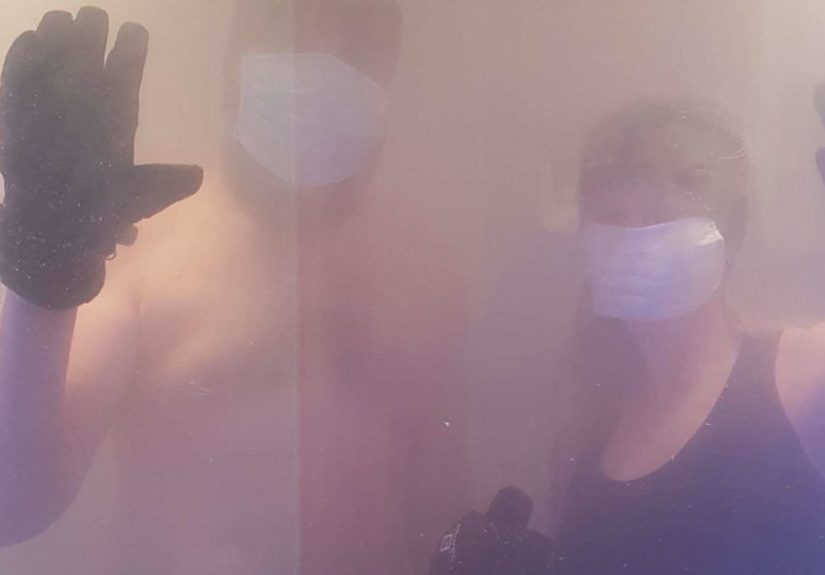
The pre-session vibe is usually somewhere between “luxury recovery treatment” and “NASA forgot your pants.” You are typically asked to remove jewelry, make sure your skin is dry, and put on protective items such as gloves, socks, slippers, and sometimes ear or face protection. The point is to protect areas that are more vulnerable to cold injury.
At this stage, many first-timers feel a mix of curiosity and mild self-betrayal. You know it will be cold. You just do not yet understand what that word is about to mean.
The first 15 seconds
The cold hits fast. Not “winter morning” fast. More like “who opened the door to another planet?” fast. The air is dry, which matters. Dry cold feels different from an ice bath, where water wraps around you and steals heat with ruthless efficiency. In a cryotherapy chamber, the cold feels sharper, more superficial, more like a fierce wind made of needles than a soaking chill.
Your skin may prickle almost immediately. Many people feel their breathing get a little choppy at first, simply because the body notices the temperature change and throws a tiny protest. This is one reason the session is brief and supervised in reputable settings.
The middle of the session
Once the initial shock passes, the experience often becomes oddly manageable. Your skin feels tight and tingling. Your nose may think it has entered a legal dispute. Your fingers and toes may begin loudly filing complaints, even with protective gear. Some people feel a rush of alertness, almost like their body has slammed the “wake up right now” button.
The cold is intense, but because the session is short, it usually stays in the zone of uncomfortable rather than unbearable. The key word here is usually. If a place ever treats your distress like a personality flaw instead of a safety signal, that is your sign to leave and keep all your body parts on speaking terms with you.
The final stretch
The last minute can feel longer than it is. Time becomes suspicious. Seconds develop ambition. You may find yourself focusing on the countdown with the emotional intensity of someone waiting for a microwave to finish heating coffee they should not have reheated in the first place.
Still, many people report that the experience is more mentally dramatic than physically painful. It is a short encounter with extreme cold, not an endurance contest. The chamber is designed for a quick exposure, not a heroic saga.
Right after you step out
The immediate after-effect is often the part people like most. You step back into normal air and suddenly it feels warm, even if the room is objectively not warm. Your skin may feel flushed, buzzy, or numb in spots. Some people feel energized, more awake, or even euphoric for a little while. Others just feel relieved that civilization still has normal temperatures.
If you went in with sore muscles, you may notice a temporary drop in discomfort. That does not necessarily mean the treatment has repaired anything dramatic. It may simply mean the cold dulled sensation for a while, which is useful, but not magical.
Why people try whole-body cryotherapy
Most people book whole-body cryotherapy for one of a few reasons: workout recovery, short-term soreness relief, inflammation concerns, or curiosity about the mental jolt that cold exposure can create. Some also try it because it is sold as a way to boost mood, increase energy, improve sleep, sharpen focus, or even support metabolism.
And that is where things get slippery. The list of claimed benefits tends to expand much faster than the evidence. Cryotherapy marketing can make it sound as though standing in a cold chamber for three minutes might solve half your life. Science is more reserved, and honestly, science is probably the adult in the room here.
What the evidence says, minus the hype machine
The strongest case for whole-body cryotherapy is probably modest, short-term symptom relief. Some studies suggest it may help reduce how sore people feel after intense exercise, especially in the short term. That matters, because feeling less wrecked after a hard workout can be valuable.
But the research is still limited, and a lot of it involves small studies, different protocols, different temperatures, different populations, and inconsistent ways of measuring success. In plain English: the science is not settled enough to justify miracle-level claims.
There is also an awkward twist. If your goal is to build strength or muscle over time, frequent cold exposure immediately after training may not always be your friend. Some sports medicine experts now warn that cold therapy can blunt the body’s natural recovery and adaptation process. In other words, the same thing that makes you feel less sore today may not always help you get stronger tomorrow.
That does not mean cryotherapy is useless. It means context matters. A pro athlete in tournament mode may care more about quick recovery between events. Someone focused on long-term strength gains may want a different strategy. Your body is not a vending machine where you insert cold and receive guaranteed performance upgrades.
Potential benefits people commonly report
Here is the balanced version. Whole-body cryotherapy may offer:
- Temporary relief from muscle soreness or aches
- A short-lived feeling of alertness or energy
- A “refreshed” sensation after hard training
- A wellness ritual some people enjoy and stick with
What it probably does not offer is a proven shortcut to weight loss, a guaranteed anti-inflammatory reset, or a medically established treatment for chronic disease. If a cryotherapy ad sounds like it was written by a superhero’s publicist, a healthy dose of skepticism is appropriate.
Risks you should take seriously
Now for the less glamorous part. Whole-body cryotherapy is not harmless just because it is trendy. Reported risks include frostbite, burns, rashes, cold panniculitis, eye injuries, and rare but serious events associated with extreme cold exposure and improperly managed equipment. In systems that use nitrogen, oxygen displacement is a known concern, which is one reason proper ventilation and supervision matter a lot.
People with certain health issues should be especially cautious. Conditions involving poor circulation, cold intolerance, major cardiovascular disease, uncontrolled high blood pressure, neuropathy, Raynaud’s disease, cryoglobulinemia, or serious lung problems can raise the stakes. If cold already makes your body act like it has a grudge, signing up for a subzero chamber is not exactly a subtle choice.
The safest move is also the least glamorous one: talk to a healthcare professional before trying it, especially if you have a medical condition, take medications that affect circulation, or are considering cryotherapy for pain or recovery on a regular basis.
How it compares with an ice bath or an ice pack
For all the high-tech appeal of a cryotherapy chamber, it is not necessarily more effective than simpler options. An ice bath is miserable in a very different way, but it is familiar, cheaper, and better studied in athletic recovery. An ice pack is even simpler and more targeted for a specific sore area.
That is the funny part of the whole trend: sometimes the expensive futuristic chamber may leave you with results that are not dramatically better than a bag of frozen peas and lower expectations.
What to know before booking a session
If you are still curious, choose the facility like an adult, not like an influencer. Ask whether sessions are supervised, how staff screen clients, what kind of chamber is used, how long the exposure lasts, what protective gear is provided, and what emergency procedures are in place. The place should treat safety like a feature, not a buzzkill.
Also, pay attention to your own reason for going. If you want a brief, intense recovery ritual and understand the limits, that is one thing. If you are hoping it will fix chronic pain, melt fat, cure burnout, and transform your life in three minutes flat, that is another thing entirely. The chamber is cold, but your expectations should be cooler.
The honest verdict
So, what does whole-body cryotherapy feel like? It feels like stepping into a blast of dry, theatrical cold that shocks your skin, wakes up your nervous system, makes a few minutes feel longer than they are, and then spits you back out into normal air feeling buzzy, relieved, and maybe a little smug.
What does it do? For some people, it may temporarily dull soreness and create a strong sense of refreshment. But it is not a proven medical fix, not clearly superior to cheaper cold therapies, and not something to treat casually just because it comes with sleek branding and dramatic fog.
In short: whole-body cryotherapy can feel intense, invigorating, and oddly satisfying. It can also be overhyped, overpriced, and riskier than the marketing lets on. If you try it, go in with dry skin, realistic expectations, and respect for the fact that “brief exposure to extreme cold” is not the same thing as “harmless wellness fun.”
Extended experience: a realistic first-session walkthrough
The section below is a realistic composite description based on common session protocols and commonly reported sensations. It is not a personal testimonial or a medical claim.
You arrive thinking you are calm, but the moment someone says, “It’s only three minutes,” your brain understands that this is not a reassuring sentence. You sign a waiver, answer a few screening questions, and are handed gloves, tall socks, slippers, and a robe that feels less like luxury and more like a temporary ceasefire with the weather.
There is a lot of ritual for something so short. You check that your skin is dry. You remove metal. You listen to instructions. You nod as if this is normal behavior for a grown person. Then the door opens, or the chamber powers up, and suddenly the air around you looks theatrical enough to deserve its own soundtrack.
The first moment inside is startling, but not in the way people expect. It is not like jumping into an icy lake. It is not wet, heavy, or instantly bone-deep. It is a dry, attacking cold that feels like it lands on your skin all at once. Your shoulders tense. Your brain goes, “Absolutely not,” while your body says, “Too late.”
You start breathing more deliberately. That helps. The cold nips at your arms, legs, and torso with a fast, prickly sting. Your ears become unexpectedly important. Your fingers and toes begin lobbying for better leadership. You shift your weight and realize that moving a little makes the cold swirl differently, which is somehow both better and worse.
At around the one-minute mark, the shock becomes something else. You are still cold, obviously, but now it feels more like a challenge you can organize around. You focus on the countdown. You notice that the air feels sharp on the surface of your skin, while your core still feels mostly okay. That contrast is one of the strangest parts. Your body feels alarmed, but not exactly overwhelmed.
Then the final minute arrives, which is when time becomes a comedian. You are not suffering heroically, but you are definitely negotiating with the clock. You wonder whether this is making you healthier or just more interesting at dinner conversations. You promise yourself a warm drink. You consider writing a strongly worded letter to whoever first decided this was relaxing.
And then it ends.
You step out and the room feels absurdly warm. Your skin tingles. You may feel flushed, almost fizzy, like your nervous system just got a surprise reboot. For a few minutes, everything feels brighter and more awake. If you came in sore, the ache may seem quieter. If you came in tired, you may feel unexpectedly alert. Or you may simply feel relieved and a little triumphant, which is also a kind of wellness outcome, honestly.
Later, the experience often settles into a more ordinary memory: not magic, not misery, but a strange little burst of extreme cold that felt dramatic in the moment and surprisingly manageable in hindsight. That is probably the most accurate description of whole-body cryotherapy. It feels intense. It feels weird. It may feel refreshing. And for better or worse, it definitely gives you a story.