Table of Contents >> Show >> Hide
- The 10-Second Answer
- Meet the Family: Same “Cattle Club,” Different Branches
- Where They Live: “Home” Is the First Big Clue
- How to Tell Them Apart at a Glance: The Big 3 (Hump, Head, Horns)
- Behavior Differences: Similar Jobs, Different Lifestyles
- Why Americans Say “Buffalo” When They Mean Bison
- Conservation and Cultural Significance: Bison as an American Comeback Story
- “Buffalo” on a Menu: Is It Bison… or Something Else?
- Common Myths (and What’s Actually True)
- So… Which Word Should You Use?
- Real-World Experiences (500+ Words): What People Notice in the Wild, on the Road, and at the Table
Somewhere between a nature documentary, a sports team name, and the menu description of a “buffalo burger,” the English language quietly decided
that bison and buffalo are basically interchangeable. Biologists would like a word. So would the animals.
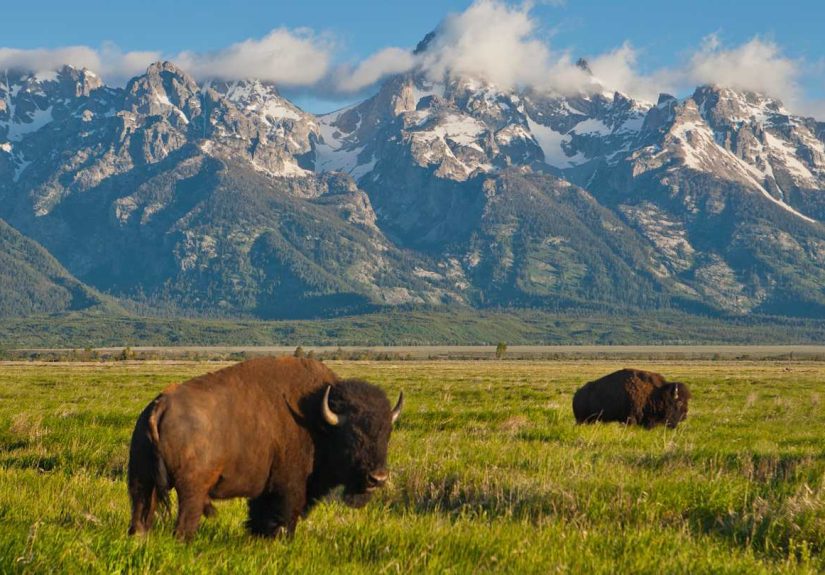
Here’s the clean, practical truth: in North America, the big shaggy icon you see in places like Yellowstone is a bison. The animals
most accurately called buffalo live primarily in Africa (African/Cape buffalo) and Asia (water buffalo).
Americans have used “buffalo” for bison for centuries, so the mix-up is historically understandableeven if it makes scientists sigh into their field notebooks.
The 10-Second Answer
- Bison (genus Bison) include the American bison and the European bison (wisent).
- Buffalo usually means either the African/Cape buffalo or the water buffalo.
- In the U.S., people often say “buffalo” when they mean American bisonculturally common, scientifically not quite right.
Meet the Family: Same “Cattle Club,” Different Branches
Bison and buffalo are both part of the Bovidae family (the big extended “cattle-and-antelope” family tree). But “same family” is not the same
thing as “same animal.” Think of it like cousins at a reunion: similar vibe, different lives, and one of them definitely won’t stop talking about CrossFit.
Bison (Genus: Bison)
- American bison (Bison bison) the famous North American heavyweight.
- European bison (wisent) (Bison bonasus) the European cousin with its own comeback story.
Buffalo (Not the Same Genus)
- African buffalo / Cape buffalo (Syncerus caffer) a tough, powerful animal found across parts of Africa.
- Water buffalo (Bubalus bubalis) common in parts of Asia; domesticated populations are widespread globally.
So if you’re trying to be precise: American bison are not “true buffalo.” But if you’re in the U.S. and someone says,
“Look at those buffalo,” they probably mean bisonand they’re not trying to start a taxonomy fight. (Probably.)
Where They Live: “Home” Is the First Big Clue
One of the easiest ways to separate bison from buffalo is geography. Wild bison are native to North America (American bison) and
Europe (wisent). “True buffalo” are native to Africa (Cape buffalo) and Asia (water buffalo).
That means: if you’re road-tripping in the U.S. and see a massive shaggy animal with a shoulder hump, you’re looking at a bison.
If you’re on safari watching a herd that looks like it could negotiate with lions (and win), that’s likely African buffalo.
How to Tell Them Apart at a Glance: The Big 3 (Hump, Head, Horns)
If you only remember one thing, make it this: bison have the hump. It’s not subtle. It’s the kind of shoulder hump that makes you
think the animal could moonlight as a snowplow. (And in a way… it kind of can.)
| Feature | American Bison | Buffalo (Water / African) |
|---|---|---|
| Shoulder hump | Large, obvious hump (powerful shoulder muscles) | No pronounced shoulder hump |
| Head & beard | Large head; shaggy “beard” and thick forequarters | Less shaggy face; generally sleeker head profile |
| Coat | Thick, woolly coat (especially in winter); sheds seasonally | Usually shorter, less “winter-jacket” looking |
| Horns | Shorter, more upright, less sweeping | Often longer and more dramatically shaped (varies by species) |
| Native range | North America (and Europe for wisent) | Africa (Cape) and Asia (water) |
That Shoulder Hump Isn’t Just for Looks
The bison’s shoulder hump is built from large muscles that help it swing its head side to sidean adaptation that’s especially useful for clearing snow
to reach grass in winter. In other words: the hump is basically a built-in winter survival tool, not a fashion choice.
Behavior Differences: Similar Jobs, Different Lifestyles
Bison and buffalo are both grazers and herd animals, but they’ve adapted to different environments.
American bison evolved for wide-open grasslands and harsh wintersthink wind, snow, and a buffet that’s mostly “grass, again.”
Bison: Built for North American Extremes
- Speed: American bison can run fast (yes, really fast), which surprises people who assume “big = slow.”
- Seasonal cycles: Herd patterns shift through the year, especially during breeding season (the rut).
- Survival skills: Strong swimming ability and impressive agility for an animal that looks like it’s wearing a heavy rug.
Buffalo: Different Continents, Different Pressures
African buffalo live with predators like lions and have a reputation for being formidable and unpredictablean animal that doesn’t read the “please be timid”
memo. Water buffalo are often associated with wet habitats (marshes, floodplains) and are widely domesticated; many people around the world have firsthand
experience with them as working animals and livestock.
Why Americans Say “Buffalo” When They Mean Bison
The “buffalo” naming confusion in the U.S. goes back centuries. Early European explorers and fur trappers used familiar terms from their own languages
for animals that seemed similar. Over time, the word “buffalo” stuck in American Englisheven though the animal on the Great Plains was (and is) a bison.
That’s why you’ll see “buffalo” all over American culture: Buffalo, New York; sports teams; songs; and plenty of restaurant menus. Language doesn’t always
follow scientific labelsespecially when it already printed itself on a thousand souvenirs.
Conservation and Cultural Significance: Bison as an American Comeback Story
American bison hold a unique place in U.S. history and in the cultural, spiritual, and economic traditions of many Indigenous peoples.
They’re also widely recognized as a major conservation success storyrecovering from a historic population collapse to managed herds across public and private lands.
In 2016, the United States officially designated the bison as the national mammal. It’s a symbolic move, but symbols matterespecially when they
point back to conservation, ecosystems, and the complicated history of the American West.
“Buffalo” on a Menu: Is It Bison… or Something Else?
Here’s where confusion goes from “mildly academic” to “wait, what did I just order?”
1) A “Buffalo Burger” in the U.S. is Usually Bison
In American food marketing, “buffalo” commonly refers to bison meat. Many producers and restaurants use the word because it’s familiar and
culturally rooted. If you want to be certain, look for the word “bison” on the label or menu description.
2) “Buffalo Wings” Are Chicken (Always Have Been)
The “buffalo” in buffalo wings is the cityBuffalo, New Yorknot the animal. No bison. No buffalo. Just chicken, sauce, and napkins you
will absolutely need.
3) Bison Meat Basics
Bison is generally described as leaner than many comparable cuts of beef, which affects cooking: it can dry out if you treat it exactly like a fatty burger.
People often like it for a rich, slightly sweet flavor and a high-protein profile. The practical takeaway is simple: don’t overcook it, and
consider methods that protect moisture (gentle heat, quick sear, resting time).
Common Myths (and What’s Actually True)
Myth: “There are buffalo roaming the American West.”
Reality: The iconic animal of the American West is the American bison. People may call it buffalo, but it’s bison by scientific classification.
Myth: “Bison are slow and tame because they look cuddly.”
Reality: Bison are wild, powerful, and fast. They can cover ground quickly and can be unpredictable, especially during certain seasons.
If you’re watching them in a park, treat them like wildlifebecause they are.
Myth: “Buffalo and bison are basically the same thingjust different names.”
Reality: The words are used interchangeably in some contexts, especially in the U.S., but they refer to different animals
with different native ranges and different evolutionary histories.
So… Which Word Should You Use?
Here’s a friendly rule that won’t make you “that person” at a family barbecue:
- If you’re being scientific, educational, or precise: say bison (especially “American bison”).
- If you’re talking in a U.S. cultural/historical context: “buffalo” is common, but know it usually means bison.
- If you’re traveling internationally or discussing wildlife globally: use buffalo for African or water buffalo and bison for bison.
Bonus: if you ever hear “wisent,” that’s the European bison. It’s like the bison’s European cousin who shows up wearing a tailored coat and says,
“I do my own rewilding.”
Real-World Experiences (500+ Words): What People Notice in the Wild, on the Road, and at the Table
Ask a park ranger what visitors get wrong about bison and you’ll usually hear some version of: “People think they’re just big cows.”
The first “experience lesson” tends to arrive the moment someone sees a bison stand up. When they’re lying down, bison can look like shaggy boulders.
When they rise, the scale becomes obviousespecially the huge head, thick front end, and that shoulder hump that makes the animal look like it’s carrying
an invisible backpack of pure muscle. Visitors often describe a weird mental reboot: your brain wants to file it under “livestock,” but your eyes keep
shouting, “Wild animal. Very wild animal.”
In places like Yellowstone and the Badlands, another common experience is realizing how calmly bison move through conditions that make humans complain.
Snow on the ground? Wind cutting across the road? Bison are still out there doing bison thingswalking, grazing, and occasionally staring at cars like they’re
mildly disappointed in modern engineering. People who see them in winter often remember the coat first: thick, woolly, and built for survival. In late spring
and early summer, that experience flipsbison shed, and their coats can look patchy. To first-time visitors, it can look like something is wrong, but it’s
often just seasonal shedding doing its messy, awkward work (relatable, honestly).
Photographers and wildlife-watchers talk about a different “tell”: the way the herd’s mood changes with the calendar. During calm periods, you might watch
a herd graze like a slow-motion wave across a valley. Then breeding season hits and the vibe shiftsbellowing, posturing, and a lot more tension among males.
Even from a distance, people notice the sound and the stance: heads lower, shoulders squared, energy up. That experience is often the moment visitors stop
thinking of bison as scenery and start treating them like what they arelarge, unpredictable wildlife with their own social rules.
Food experiences add another layer to the bison/buffalo confusion. Plenty of people’s first “buffalo” experience is ordering a buffalo burger and assuming
it must be the same animal as in old Western stories. Then someone at the table says, “Actually, it’s bison,” and suddenly dinner turns into a mini trivia night.
Taste-wise, many diners describe bison as richer than expected for a lean meat, and the experience that sticks is how cooking method matters. People who grew up
with beef sometimes overcook bison at first, then wonder why it seems dry. The next attempt usually goes better: quicker cook time, careful heat, and letting it rest.
That learning curve becomes part of the story“I used to think bison was tough, but I was the problem.”
And then there’s the cultural experience: the word “buffalo” shows up everywhere in American lifeplace names, teams, songs, and brandsso people feel like they’ve
“known” buffalo forever. The surprise is discovering that the animal they’ve pictured their whole life is technically a bison. For many, that doesn’t feel like being
corrected; it feels like learning a fun behind-the-scenes fact about a familiar icon. The best experiences are the ones where the new information makes the next sighting
even better: you don’t just see a big animalyou notice the hump, the beard, the coat, the horns, and the way it’s adapted to its home. You’re not only watching wildlife;
you’re reading it.