Table of Contents >> Show >> Hide
- What Is a Japanese Christmas Cake?
- Why This Cake Tastes So Light
- Japanese Christmas Cake Ingredients
- Tools You’ll Want (No Fancy Gadgetry Required)
- Step-by-Step: How to Make Japanese Christmas Cake
- 1) Prep the pan and oven
- 2) Mix the dry ingredients
- 3) Whip the egg whites (the lift team)
- 4) Whip the yolks (the flavor + tenderness team)
- 5) Fold like you’re tucking in a sleeping kitten
- 6) Bake (with or without a water bath)
- 7) Make the simple syrup
- 8) Whip the cream (stabilized option included)
- 9) Slice, soak, layer, repeat (the fun part)
- 10) Frost and decorate like a holiday movie montage
- Pro Tips for a Truly Airy Sponge
- Make-Ahead, Storage, and Food Safety
- Flavor Variations (Still Light, Still Festive)
- Common Questions (Because Cakes Love Drama)
- Conclusion
- Real-World Experiences: What Baking This Cake Feels Like (and What You Learn)
If you’ve ever looked at a Japanese Christmas cake and thought, “That dessert is basically a cloud wearing strawberries,” you’re not wrong.
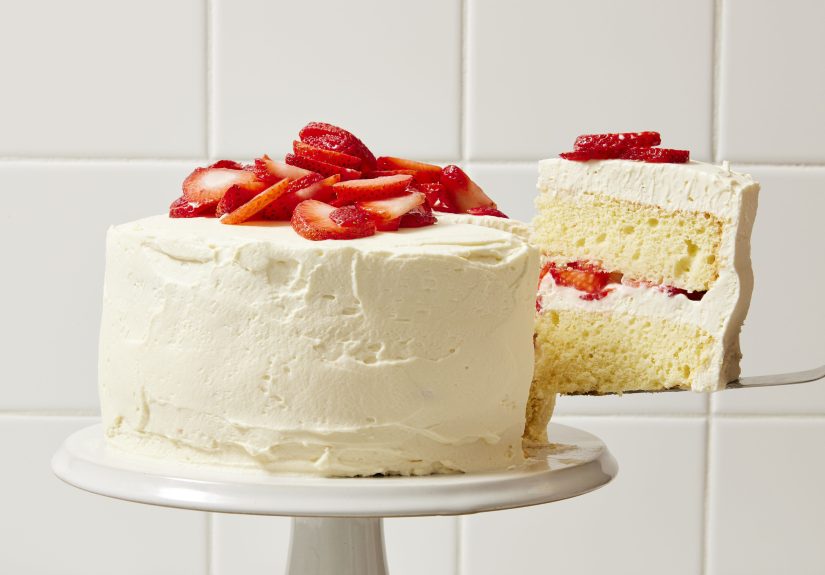
Japan’s classic Christmas Cake is most often a strawberry shortcakelight sponge layers, softly sweet whipped cream, and bright berries,
all dressed up like it’s headed to a holiday party (because it is).
This version is designed for real-life home bakers: a reliably fluffy sponge, a whipped-cream frosting that won’t immediately sigh and slide,
and an assembly method that makes your cake look fancyeven if you’re the kind of person who measures “a pinch of salt” with your whole heart.
The result is an airy dessert that tastes clean, delicate, and just sweet enough to keep you coming back for “one more sliver.”
What Is a Japanese Christmas Cake?
In Japan, “Christmas cake” commonly refers to a strawberry shortcake-style layer cake (often called ichigo shortcake),
typically enjoyed around Christmas Eve and Christmas Day. It’s known for its signature lookwhite whipped cream with red strawberries
and its signature feel: soft, springy sponge that practically melts.
Flavor-wise, it’s the opposite of a heavy, ultra-frosted, sugar-bomb holiday cake. Think: vanilla-scented sponge, lightly sweetened cream,
and fruit that brings freshness to every bite. It’s festive without being exhaustinglike holiday music played at a reasonable volume.
Why This Cake Tastes So Light
The “airy” magic comes from two main things: (1) a sponge that relies on whipped eggs for lift (not lots of butter and dense batter),
and (2) whipped cream that’s sweetened gently, so the cake stays balanced and bright.
Three little choices that make a big difference
- Cake flour (lower protein) helps keep the crumb soft and tender.
- Whipped egg whites add structure and liftlike tiny edible hot-air balloons.
- A simple syrup keeps the sponge moist without turning it soggy.
Japanese Christmas Cake Ingredients
This recipe makes one 8-inch (20 cm) cake, about 8–10 slices.
For best results, use a kitchen scalebut don’t worry, I’ve included cup measurements too.
Sponge cake
- 4 large eggs, separated
- 3/4 cup (150 g) granulated sugar, divided
- 1 cup (120 g) cake flour
- 1 tsp baking powder
- 1/4 tsp fine salt
- 1/4 cup (60 ml) whole milk
- 2 tbsp (28 g) unsalted butter, melted and cooled slightly
- 1 tsp vanilla extract
Simple syrup (optional but recommended)
- 1/4 cup (60 ml) water
- 2 tbsp (25 g) sugar
- 1/2 tsp vanilla extract
Whipped cream frosting + filling
- 2 cups (480 ml) cold heavy cream
- 1/3 cup (40 g) powdered sugar, sifted (add more to taste)
- 1 tsp vanilla extract
- Optional stabilizer: 1 tsp unflavored gelatin + 2 tbsp cold water (helps it hold shape longer)
Strawberries
- 1 to 1 1/2 pounds strawberries (450–680 g), divided (some for layers, some for topping)
Tools You’ll Want (No Fancy Gadgetry Required)
- 8-inch round cake pan (at least 2 inches deep)
- Parchment paper
- Electric hand mixer or stand mixer
- Mixing bowls (one must be very clean for egg whites)
- Rubber spatula (your gentlest folding friend)
- Serrated knife (for leveling/splitting layers)
- Optional: piping bag + star tip for a classic look
Step-by-Step: How to Make Japanese Christmas Cake
1) Prep the pan and oven
- Preheat oven to 325°F (165°C).
- Line the bottom of your cake pan with parchment. Lightly grease the sides, then dust with flour, tapping out excess.
- Set a larger roasting pan (or deep baking dish) aside for a water bath if you’d like extra moisture and a super-soft crumb.
2) Mix the dry ingredients
- Sift cake flour, baking powder, and salt together. (Yes, sifting matters herethis cake is basically powered by air.)
- Set aside.
3) Whip the egg whites (the lift team)
- In a clean, dry bowl, beat egg whites on medium speed until foamy.
- Gradually add about half the sugar (roughly 6 tbsp / 75 g), increasing speed to medium-high.
- Beat to glossy medium-stiff peaks. You want peaks that stand up but still look supplenot dry and clumpy.
4) Whip the yolks (the flavor + tenderness team)
- In a separate bowl, beat egg yolks with the remaining sugar until pale, thick, and a bit fluffy.
- Mix in milk and vanilla.
- Sprinkle in the sifted dry ingredients and gently mix just until combined (don’t overwork it).
5) Fold like you’re tucking in a sleeping kitten
- Fold 1/3 of the whipped egg whites into the yolk batter to lighten it.
- Add the remaining whites in two additions, folding gently with a spatula until no streaks remain.
- Drizzle in melted butter and fold just until incorporated. Stop as soon as it’s mixedover-folding deflates the batter.
6) Bake (with or without a water bath)
- Pour batter into the prepared pan and smooth the top.
- Optional water bath: Place the cake pan inside the larger roasting pan. Add hot water to the outer pan
until it comes about 1 inch up the sides of the cake pan. - Bake 25–35 minutes, until the top springs back lightly and a toothpick comes out clean (a few moist crumbs are fine).
- Cool in the pan 10 minutes, then turn out onto a rack. Peel off parchment and cool completely.
7) Make the simple syrup
- Heat water and sugar until dissolved. Remove from heat and stir in vanilla.
- Cool to room temperature before using.
8) Whip the cream (stabilized option included)
You can keep it classic (just cream + sugar) or stabilize it if your kitchen is warm or you want cleaner piping.
Stabilized whipped cream is your holiday insurance policy.
- Classic: Whip cold heavy cream with powdered sugar and vanilla to medium-firm peaks.
- Optional gelatin-stabilized method: Sprinkle gelatin over cold water in a small bowl. Let it bloom 5 minutes.
Warm briefly (microwave in short bursts) until just melted and smoothnot boiling.
While whipping cream, slowly drizzle in the melted gelatin mixture and continue whipping to medium-firm peaks.
9) Slice, soak, layer, repeat (the fun part)
- Wash, hull, and dry strawberries. Slice some for the filling; keep prettiest berries for the top.
- Level the cake top if needed, then slice the sponge into 2 layers (or 3 layers if you’re feeling bold and steady-handed).
- Place the first layer on a cake plate. Brush lightly with simple syrup (don’t flood itthink “mist,” not “monsoon”).
- Spread a layer of whipped cream, then add strawberry slices in an even layer.
- Add a bit more cream (like fruit glue), then top with the second layer. Brush with syrup.
10) Frost and decorate like a holiday movie montage
- Spread a thin layer of whipped cream over the cake (a “crumb coat,” except crumbs are minimal here).
- Chill 15 minutes, then apply the final coatsmooth sides, clean top.
- Decorate with strawberries. Add piped rosettes or swirls if you like.
- Chill at least 30 minutes before slicing for the neatest layers.
Pro Tips for a Truly Airy Sponge
Don’t rush the egg whites
Proper peaks give structure. Under-whipped whites = flat cake. Over-whipped whites = chunky batter and a cake that bakes up dry.
You’re aiming for glossy peaks that hold their shape without looking stressed-out.
Fold gently, but don’t fold forever
Folding is a balance: thorough enough to remove streaks, gentle enough to keep the air. If your batter looks like it lost its will to live,
it probably did. (Still bake it. Call it “snack cake.”)
Use cold cream and a cold bowl
Whipped cream is happiest when it’s cold. If your kitchen runs warm, chill the bowl and beaters for 10 minutes first.
Make-Ahead, Storage, and Food Safety
- Make ahead: Bake sponge 1 day early; wrap tightly and store at room temperature (cool, dry place).
- Whip cream day-of for best texture (stabilized cream can be made a bit earlier).
- Assembled cake: Refrigerate and enjoy within 24–48 hours for best freshness.
- Don’t leave dairy out too long: Serve chilled and return leftovers to the fridge promptly.
Flavor Variations (Still Light, Still Festive)
Matcha holiday version
Add 1–2 tbsp matcha to the flour (sift well) for a gentle green tea flavor. Pair with strawberries for a classic sweet-bitter contrast.
Citrus-bright winter cake
Add lemon zest to the sponge and a touch of citrus juice to the syrup. It tastes like the holidays took a refreshing shower.
Chocolate-strawberry twist
Replace 2–3 tbsp flour with cocoa powder for a light chocolate sponge. Keep the whipped cream lightly sweetened and let the berries shine.
Common Questions (Because Cakes Love Drama)
Can I use all-purpose flour instead of cake flour?
Yes. For a closer cake-flour feel, you can swap out a small portion of all-purpose flour for cornstarch (measure carefully),
then sift well. The goal is a lower-protein mix for tenderness.
Why did my sponge shrink?
A little shrink is normal. Bigger shrink can come from underbaking, overbeating whites to dryness, or over-folding (deflating the batter).
Also, slamming the oven door is basically telling your cake, “Goodbye, confidence.”
How do I get clean slices?
Chill the cake, use a serrated knife, and wipe the blade between slices. Your layers will look crisp and bakery-neat.
Conclusion
A Japanese Christmas cake is proof that holiday desserts don’t have to be heavy to feel special. With a fluffy sponge, lightly sweetened whipped cream,
and strawberries bringing that pop of color and freshness, this cake delivers “festive” in the most elegant, airy way.
Make it for a holiday gathering, a winter birthday, or a random Tuesday when you want your dessert to feel like a soft blanket.
(A delicious blanket. Please don’t actually wrap yourself in cake.)
Real-World Experiences: What Baking This Cake Feels Like (and What You Learn)
Here’s the honest truth about making a Japanese Christmas cake: the first time you try it, you will likely have a dramatic moment where you stare into
a bowl of batter and wonder if you just folded out all the air you worked so hard to whip in. That “Did I ruin it?” pause is basically a rite of passage.
The good news? Most of the time, you didn’t ruin ityou just met the part of baking that’s more “gentle confidence” than “power tools.”
Many home bakers describe the sponge-baking process as strangely calming once you accept the rules of the game. You sift, you whip, you fold, you stop.
You learn to recognize what “glossy peaks” look like and how the batter changes when it’s properly lightened. It becomes a sensory thing:
the whites look shiny like marshmallow cream, the batter ribbons slowly off the spatula, and the final mixture feels airyalmost fluffybefore it ever
hits the oven. If you’re used to cookie dough that can handle a little chaos, sponge cake teaches you that some desserts prefer quiet encouragement.
The decorating stage is where people tend to fall in love with this cake. There’s something genuinely joyful about turning a simple white cake into a
holiday centerpiece with nothing more than strawberries and swirls of cream. Even imperfect piping looks charming because the style is supposed to feel
soft and snowy. A slightly uneven rosette? Congratulationsyou made it look “handcrafted.” A strawberry that slides a little? That’s not a mistake;
it’s a “natural, seasonal vibe.” (If anyone questions it, look them dead in the eye and say, “It’s minimalist.”)
Another common experience: realizing how much better lightly sweetened whipped cream tastes when it isn’t competing with the cake. In many frosted cakes,
the icing is basically the main character. Here, the cream acts more like a supporting actor who quietly steals the scene. People often notice they can eat
a full slice without feeling weighed down, and that’s a big part of the cake’s charm. It’s also why strawberries matter: when your dessert is this simple,
the fruit isn’t decorationit’s flavor. Bakers often end up tasting a strawberry and thinking, “Okay, you’re either delicious… or you’re getting macerated.”
If berries are a little tart, a quick toss with a spoonful of sugar and a few minutes of rest can make them juicier and friendlier.
If you make this cake more than once, you start to develop personal “house rules.” Some people always brush on syrup because they love that moist,
bakery-style bite. Others skip it for an extra pure, sponge-and-cream texture. Some chill the bowl and beaters religiously; others learn the hard way
that warm kitchens are whipped-cream villains. And plenty of bakers adopt stabilization as a holiday habitnot because it’s complicated, but because it
gives peace of mind when you’re assembling ahead of guests arriving. That peace of mind matters, especially when you’ve spent time whipping and folding
like your cake’s emotional support human.
The most satisfying part, though, is the moment you slice into it and see the layers: pale sponge, bright strawberries, neat bands of cream.
It looks celebratory without trying too hardlike it woke up naturally photogenic. And if your layers aren’t perfectly straight?
You still made a light, airy dessert that tastes like winter strawberries and vanilla clouds. In other words: you absolutely won.