Table of Contents >> Show >> Hide
- First, a quick reality check (and a little relief)
- What to do immediately if you believe there’s imminent danger
- How to talk to someone in a suicidal crisis (what actually helps)
- How to increase safety without doing anything risky
- What to say: a simple script you can actually remember
- Warning signs and risk factors to take seriously
- After the immediate crisis: what “help” looks like next
- What not to do (even if your heart is in the right place)
- For friends, classmates, and teens: how to help without carrying it alone
- Training that makes this easier (because practice helps)
- When you’re the one who’s scared and shaking afterward
- Experiences from the real world: what often helps (and what people remember)
- Conclusion
If you’re reading this because you’re worried about someone right now: in the U.S., call 911 if there’s immediate danger. You can also call or text 988 (the Suicide & Crisis Lifeline) for real-time guidance while you’re with the person. You do not have to handle this aloneand you don’t have to say “the perfect thing” to make a difference.
First, a quick reality check (and a little relief)
When someone is in a suicidal crisis, their brain can get stuck in “tunnel vision”pain feels permanent, options feel nonexistent, and the future feels like a locked door. Your job isn’t to deliver a TED Talk that cures despair. Your job is simpler (and more powerful): slow the moment down, increase safety, and connect them to professional help.
This article focuses on safe, non-graphic, bystander-friendly stepsthe kind you can use in public places like bridges, parking structures, train platforms, or any situation where you’re worried someone might hurt themselves.
What to do immediately if you believe there’s imminent danger
1) Call emergency services firstthen add 988 as backup support
If you think someone could harm themselves right now, call 911. If you can safely do it at the same time (or have someone else do it), call/text 988 for coaching on what to say and do while help is on the way. Think of it like this: 911 sends responders; 988 helps you hold the moment steady.
2) Keep yourself safe and recruit helpthis is not a solo mission
In public settings, your safety matters too. If possible:
- Ask a nearby person to call 911 while you stay present.
- Ask another person to call/text 988 and put it on speaker (with discretion).
- Reduce the audience effect by gently discouraging gawking or filming. More eyes can feel like more pressure.
3) Be a calm, steady presence (not a loud lecture)
Keep your voice low and even. Move slowly. Give space. Your goal is to communicate: “You’re not alone, and help is here.”
How to talk to someone in a suicidal crisis (what actually helps)
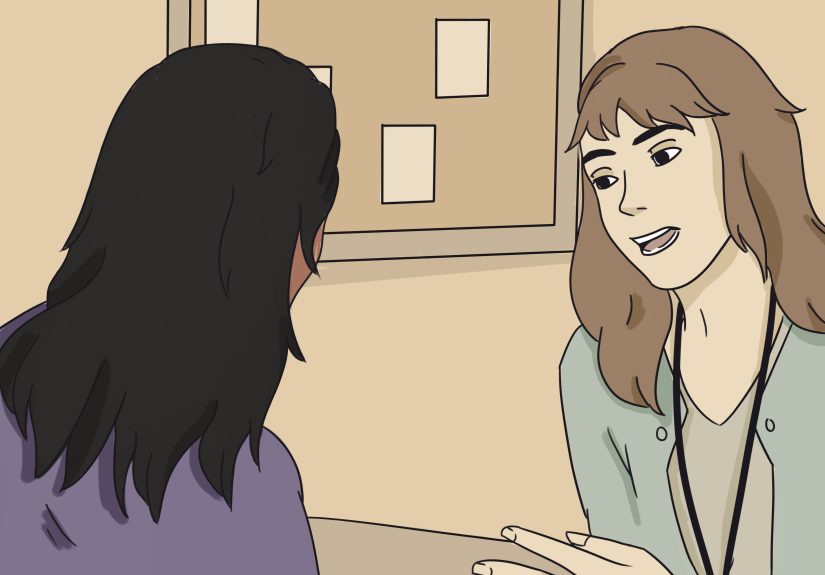
Start with connection, not correction
When people are in crisis, logic isn’t the first door that opensconnection is. Try:
- “Hi. I’m really glad you’re here. I’m going to stay with you.”
- “You don’t have to explain everything. I just want to understand what’s hurting.”
- “Can we talk for a minute? What’s been going on today?”
Ask directly about suicide (yes, it’s okay to say the word)
A common fear is, “If I ask, will I make it worse?” Evidence-based guidance says that asking directly does not plant the ideait opens a door for honesty and help.
Use plain, non-dramatic language:
- “Are you thinking about hurting yourself?”
- “Are you thinking about suicide?”
If they say “yes,” you haven’t failedyou’ve learned the truth you need to act on.
Listen like you’re holding a fragile cup (steady, gentle, no squeezing)
People in crisis often feel unheard, judged, or like a burden. Your listening can reduce that intensity. Helpful responses:
- Reflect: “It sounds like you’ve been carrying this alone for a long time.”
- Validate feelings: “That sounds exhausting. I can see why you feel overwhelmed.”
- Invite one next step: “Can we take this one minute at a time together?”
Avoid the “two traps”: arguing and minimizing
These often backfire:
- Minimizing: “It’s not that bad.” / “Other people have it worse.”
- Arguing: “That doesn’t make sense.” / “You shouldn’t feel that way.”
Instead, try: “I hear you.” and “You matter to me.” Those aren’t clichés in a crisisthey’re stabilizers.
How to increase safety without doing anything risky
Keep them engaged and slow the moment down
Suicidal crises can surge and fade like a wave. Your job is to help them ride the wave without being swept under. Small anchors help:
- Grounding questions: “What’s your name?” “Who could we call together?”
- Time-limited requests: “Can you stay with me for five minutes while we get help?”
- Gentle choices: “Would you rather sit or stand? Talk or just breathe for a minute?”
Don’t promise secrecy
If someone is at risk, secrecy is not kindnessit’s isolation. You can be honest and caring at the same time:
“I care too much to keep this to myself. I’m going to get help with you.”
Don’t try to be a hero
It’s natural to want to “fix it,” but a suicidal crisis is a medical and mental health emergency. Focus on staying present and getting professionals involved. If you’re a bystander, avoid doing anything that could put youor themat greater risk. When in doubt, prioritize calling 911 and following dispatcher instructions.
What to say: a simple script you can actually remember
If your brain goes blank (it happens), use this three-part formula:
- Name what you notice: “You seem really overwhelmed.”
- Offer presence: “I’m here with you.”
- Move toward help: “Let’s call 988/911 together right now.”
Example:
“I can see you’re in a lot of pain. I’m not leaving you. Let’s call for help together right now.”
Warning signs and risk factors to take seriously
You can’t diagnose someone on the spot, but you can recognize when the risk is higher. Signs that warrant immediate help include:
- Talking about wanting to die, feeling hopeless, or being a burden
- Severe agitation, panic, rage, or sudden recklessness
- Withdrawing from everyone or saying goodbye in unusual ways
- Major recent losses, humiliations, legal/financial crises, or trauma
- Substance use that’s escalating or out of control
Risk can rise with factors like mental health conditions, past attempts, chronic pain or illness, violence exposure, substance use, and intense life stressors. Protective factorslike connection, access to care, coping skills, and supportive relationshipscan reduce risk, which is why your presence and follow-through matter.
After the immediate crisis: what “help” looks like next
Connect them to professional support
Once the immediate danger has passed (or while you’re waiting for responders), your goal is to connect them with ongoing care:
- 988 for crisis counseling, local resources, and next steps
- Emergency services for imminent danger
- Primary care or mental health clinicians for evaluation and treatment
- Community supports like NAMI programs, local crisis centers, or therapy
Help them build a “next 24 hours” plan
A full safety plan is best done with a clinician, but you can help with a simple short-term plan that reduces isolation and increases support:
- Who can stay with them or check in frequently?
- Which places feel safer (home with family, a friend’s place, a community center)?
- What helps even a little (music, a warm drink, a shower, a walk, a pet, a quiet room)?
- What needs to be secured by a trusted adult (anything that could be used for self-harm)?
Follow up like you mean it
One supportive conversation can be life-saving, but follow-up is where hope grows roots. Text later. Call the next day. Show up. Try:
- “Thinking of you. How are you doing right now?”
- “Do you want company while you make that appointment?”
- “I’m proud of you for staying. I’m here.”
What not to do (even if your heart is in the right place)
- Don’t shame: “How could you do this to your family?”
- Don’t debate morality: Crisis time is not philosophy time.
- Don’t give ultimatums: “If you do this, I’ll never forgive you.”
- Don’t overwhelm them with solutions: Offer one next step.
- Don’t disappear after the crisis: Consistent support matters.
For friends, classmates, and teens: how to help without carrying it alone
If you’re a teen reading this: you can be an incredible bridge to helpbut you should not be the only support. If a friend tells you they’re suicidal, the safest move is to tell a trusted adult immediately (parent/guardian, school counselor, coach, teacher) and contact 988 or 911 if it’s urgent.
And if someone says, “Don’t tell anyone,” you can respond:
“I care about you too much to keep this secret. Let’s get help together.”
Training that makes this easier (because practice helps)
Many people freeze because they haven’t been taught what to do. Training programs can help you feel more confident and reduce fear-based reactions. Look for options like:
- Mental Health First Aid (MHFA) (often uses a simple action plan for crises)
- LivingWorks safeTALK / ASIST (skills-based suicide prevention trainings)
Training won’t make you a therapist, but it can make you a steadier helperespecially in high-stress moments.
When you’re the one who’s scared and shaking afterward
Helping in a suicide-related crisis can leave you floodedadrenaline, guilt, replaying the moment, second-guessing every word. That doesn’t mean you did something wrong. It means your nervous system worked overtime.
Do three things:
- Debrief with a safe person (or a counselor). Don’t carry it alone.
- Basic recovery: eat, hydrate, sleep, and step away from doom-scrolling.
- Get support if you need it: 988 isn’t only for “the person in crisis.” You can call for yourself too.
Experiences from the real world: what often helps (and what people remember)
When trained crisis counselors, first responders, and peer supporters talk about moments like these, they rarely describe “perfect lines.” They describe tiny human choices that changed the direction of a day: someone staying present, someone speaking calmly, someone calling for help instead of assuming “someone else will.”
1) People remember your calm more than your words.
In many crisis debriefs, helpers say the tone mattered as much as the message. A steady voice tells a distressed brain, “The world is not ending in this exact second.” Even when the person couldn’t fully respond, the calm presence reduced the intensity enough to buy time until help arrived. This is why crisis guidance often emphasizes being there, listening, and slowing everything down rather than delivering a persuasive speech.
2) “I’m here” beats “Here’s what you should do.”
Supporters often learn that advice can feel like pressure in a crisis. One reason is that suicidal pain is usually tied to feeling trapped and alone. When someone says, “I’m staying with you,” it adds a protective factor immediately: connection. People in recovery frequently describe a moment of being seenwithout judgmentas the first crack in the tunnel vision.
3) Direct questions can be a relief, not a trigger.
Many helpers worry that asking about suicide will make things worse, but experienced counselors and prevention trainings repeatedly emphasize the opposite: direct, respectful questions can create relief. For some people, it’s the first time someone has said the quiet part out loudkindlyand that can reduce shame. It turns a terrifying secret into a problem that can be handled with support.
4) The “handoff” to professional help is a turning point.
In real-world accounts, the most effective helpers aren’t the ones who try to do everything themselves. They’re the ones who coordinate: calling 911 when necessary, looping in 988 for coaching, bringing in a trusted adult, or staying nearby until responders arrive. That handoff matters because suicidal crises are medical emergencies, not character flaws. A warm transfer to professionals increases safety and opens the door to ongoing care.
5) Follow-up is where prevention becomes real life.
People who have survived suicidal crises often describe the days afterward as surprisingly hard: embarrassment, fear of being judged, and worry that they’ve “used up” people’s patience. Helpers who follow uptexting, checking in, offering to sit with them during an appointmenthelp counter that fear. The follow-up doesn’t need to be dramatic. It just needs to be consistent. “How are you today?” can be a life-saving sentence when it shows up again and again.
6) Helpers need support too (and that’s not selfish).
First responders and trained volunteers often talk about the emotional hangover: shakiness, intrusive thoughts, sadness, or anger. Good agencies normalize debriefing and peer support because helping in a suicide-related situation can be traumatic. If you’ve been through this, you’re allowed to say, “I need to talk to someone.” It’s not weaknessit’s how you stay able to help in the future without burning out.
Bottom line: In the real world, prevention often looks less like a dramatic rescue and more like a chain of ordinary actions done with courage: notice, approach, listen, ask directly, connect to help, and follow up. You don’t need to be perfect. You just need to be presentand willing to bring in support.
Conclusion
If you’re trying to help someone who may be suicidal, remember the core goals: get emergency help when needed, stay calm and present, ask directly, listen without judgment, and connect them to 988 and professional care. Those steps don’t require special credentialsjust steady humanity and the willingness to act.