Table of Contents >> Show >> Hide
- Where did the “burnt toast” warning even come from?
- So… is smelling burnt toast a sign of a heart attack?
- What’s actually happening? Meet phantosmia
- How is smelling burnt toast different from stroke symptoms?
- Real warning signs of a heart attack you should never ignore
- When smelling burnt toast is a “call your doctor” symptom
- When to treat it like an emergency
- How doctors investigate phantom smells
- What about heart health in general?
- Real-life experiences: When smelling burnt toast raises questions
- Takeaway
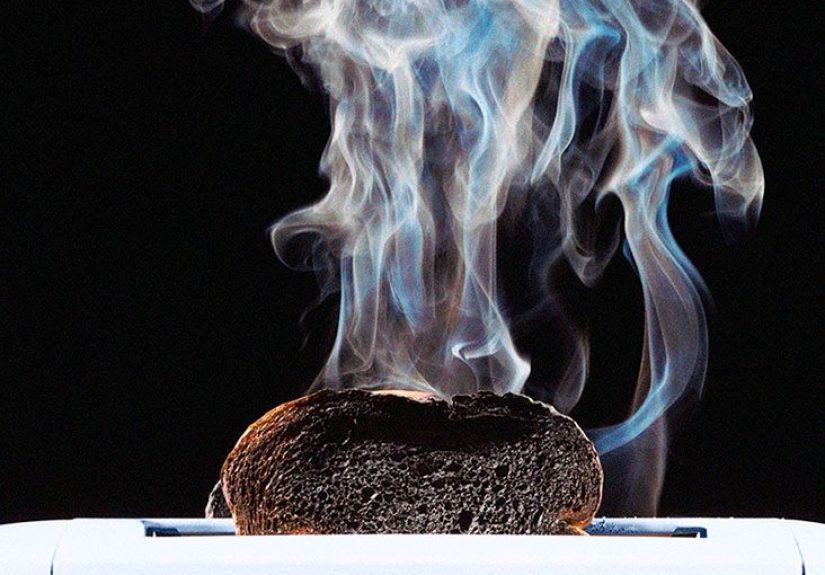
You’re sitting on the couch, minding your own business, when suddenly you smell it: burnt toast.
You check the kitchenno toaster on, no smoke, no forgotten breakfast. Next thought?
“Wait… isn’t this a sign of a heart attack or stroke?”
This idea shows up in movies, memes, and late-night Google searches, but how much of it is actually true?
Let’s break down what we really know about smelling burnt toast, what it has to do with your brain and heart,
and when you should stop scrolling and start calling 911.
Where did the “burnt toast” warning even come from?
The myth that smelling burnt toast means you’re having a stroke or a heart attack likely grew out of
a mix of medical half-truths and pop culture. For decades, doctors have known that some brain conditions
can cause phantom smellsalso called phantosmia. At the same time,
people are understandably anxious about strokes and heart attacks. Put those together and you get a scary,
easy-to-remember story: “Smell burning toast? Something terrible is happening.”
The problem is, it’s oversimplifiedand mostly wrong. Smelling burnt toast on its own is not
a classic red flag for a heart attack, and it’s not a reliable early alarm for a stroke either. Your body
has much louder, clearer ways to warn you when your heart is in trouble.
So… is smelling burnt toast a sign of a heart attack?
Short answer: No, it’s not a typical or proven sign of a heart attack.
Heart attacks usually involve symptoms related to blood flow to the heart musclenot your sense of smell.
When doctors talk about heart attack warning signs, they focus on things like:
- Chest pain, pressure, tightness, or squeezing
- Pain that spreads to the arm, jaw, neck, back, or upper stomach
- Shortness of breath
- Cold sweats
- Nausea, vomiting, or heartburn-like discomfort
- Sudden dizziness, weakness, or overwhelming fatigue
Notice what’s missing from that list? Smelling burnt toast.
Some research suggests that people with certain heart conditions (like heart failure or chronic chest pain)
may be more likely to report phantom smells in general. But those smells are not used as diagnostic criteria
for heart attacks, and smelling burnt toast by itself is not considered a standard warning sign in cardiology
guidelines.
Bottom line: if your only symptom is a random burnt-toast smell, that alone doesn’t scream “heart attack.”
But it does mean your body is trying to tell you somethingand it’s still worth paying attention.
What’s actually happening? Meet phantosmia
That burnt-toast smell with no toast in sight has a name: phantosmia, also known as an
olfactory hallucination. It happens when you perceive an odor that isn’t really there.
People with phantosmia may notice smells like:
- Burnt toast or burning food
- Smoke or something “on fire”
- Chemical or metallic odors
- Rotten, moldy, or “dirty” smells
These phantom smells can come and go, last seconds or hours, and affect one nostril or both.
They’re usually unpleasant and understandably unsettling.
Common causes of phantosmia
Phantosmia is a symptom, not a diagnosis. It can show up with a wide range of conditions, including:
- Sinus and nasal issues – chronic sinusitis, nasal polyps, allergies, infections
- Recent respiratory infections – including COVID-19 or bad colds that affected smell
- Migraines – some people experience smell changes as part of their aura
- Head injuries – concussion or trauma can disturb smell pathways
- Neurological conditions – seizures (especially temporal lobe), Parkinson’s disease, stroke, brain tumors
- Mood or psychiatric conditions – anxiety, depression, or other mental health disorders can sometimes be linked
- Medication effects or toxin exposure – certain drugs or environmental chemicals
That’s a big rangefrom relatively minor nasal problems to serious brain-related issues.
That’s why persistent phantom smells should never just be shrugged off.
How is smelling burnt toast different from stroke symptoms?
The “burnt toast = stroke” myth is especially sticky. In reality, stroke symptoms are usually about
sudden changes in movement, speech, or vision, not smell.
Health organizations often use the acronym FAST to help people remember the main warning signs of stroke:
- F – Face drooping: One side of the face droops or feels numb.
- A – Arm weakness: One arm can’t be lifted, or feels very weak or numb.
- S – Speech difficulty: Slurred speech, trouble finding words, or not making sense.
- T – Time to call 911: If you see these signs, get emergency help immediately.
Could a stroke affect smell? In rare cases, yes. But it’s not a classic “go-to” symptom, and doctors
don’t tell people to watch for phantom toast as a stroke warning. Again, it’s the big-picture pattern
of symptoms that matters.
Real warning signs of a heart attack you should never ignore
If smelling burnt toast gets you thinking about heart health, that’s not a bad thingas long as you learn
the real warning signs. Typical heart attack symptoms include:
- Chest discomfort that feels like pressure, tightness, squeezing, or fullness
- Pain that radiates to the arm (often the left), neck, jaw, back, or upper stomach
- Shortness of breath, with or without chest pain
- Cold sweat or sudden clamminess
- Nausea, vomiting, or “indigestion” that doesn’t feel like your usual heartburn
- Lightheadedness or sudden dizziness
- Unusual fatigue, especially in women, which can show up days in advance
Heart attack symptoms can look different in women
Women are more likely to have “atypical” heart attack symptoms, such as:
- Extreme, unexplained fatigue
- Shortness of breath without crushing chest pain
- Discomfort in the back, jaw, or neck
- Indigestion-like discomfort or nausea
That can make heart attacks easier to brush off as stress, a busy day, or something you ate.
If something feels off and you have heart risk factors (like high blood pressure, diabetes, smoking,
high cholesterol, or a strong family history), don’t ignore it.
When smelling burnt toast is a “call your doctor” symptom
Smelling burnt toast by itself is usually not an emergencybut it isn’t something to completely ignore either,
especially if it keeps coming back.
It’s smart to see a doctor if:
- The phantom smell lasts more than a few days or recurs regularly
- You’ve had recent sinus infections, head injuries, or a COVID-19 infection
- You also notice new headaches, vision changes, or changes in mood or memory
- You’re on new medication and notice odd smell changes
Think of it this way: your nose is part of your brain’s wiring. When that wiring sends weird signals,
it deserves a professional looknot panic, but not denial either.
When to treat it like an emergency
Call 911 or your local emergency number right away if a phantom smell appears along with any of the following:
- Sudden weakness or numbness in the face, arm, or leg (especially one side)
- Trouble speaking, slurred speech, or confusion
- Sudden vision problems in one or both eyes
- Sudden, severe headache unlike anything you’ve had before
- Classic heart attack symptomschest pain, radiating pain, shortness of breath, cold sweat, or vomiting
In those situations, don’t waste time debating whether it’s “really” an emergency. It’s better to be told,
“You’re okay,” than to stay home and regret it later.
How doctors investigate phantom smells
If you see a doctor about smelling burnt toast, they’ll first ask detailed questions:
- When did it start?
- How often does it happen, and how long does it last?
- Do you have other symptomsheadaches, nasal congestion, seizures, mood changes, memory issues?
- Any recent infections, injuries, or medication changes?
From there, they may:
- Examine your nose and sinuses
- Order blood tests or imaging (like CT or MRI) if they suspect a neurological or structural cause
- Refer you to an ENT (ear, nose, and throat specialist) or a neurologist
Treatment depends on the cause:
- Sinus issues might improve with medication, nasal sprays, or sometimes surgery.
- Migraines may respond to migraine-specific medications and lifestyle changes.
- Seizure-related phantosmia may improve with anti-seizure drugs.
- Psychological causes may benefit from therapy, medications, or both.
In some cases, the phantom smell gradually fades on its own. In others, managing the underlying condition
makes the symptoms much more manageable.
What about heart health in general?
Even though smelling burnt toast isn’t an official heart attack warning sign, the fact that you’re Googling it
suggests something important: you’re thinking about your heart. That’s a good thing.
You can lower your heart attack risk by:
- Not smoking (your heart and your nose will both thank you)
- Keeping blood pressure, cholesterol, and blood sugar in healthy ranges
- Moving regularlyaim for at least 150 minutes of moderate activity weekly
- Eating a heart-friendly diet with lots of fruits, vegetables, whole grains, and healthy fats
- Managing stress with sleep, movement, relaxation, and social connection
- Seeing your healthcare provider for regular checkups and screenings
Think of this article as a nudge: not to panic about phantom toast, but to take your heart
and brain health seriously in everyday life.
Real-life experiences: When smelling burnt toast raises questions
To make this more concrete, let’s walk through a few everyday-style scenarios that show how smelling burnt toast
might show upand what different responses could look like.
1. The “I Googled myself into a panic” moment
Alex is 32, generally healthy, and working from home. In the middle of the afternoon, they suddenly smell burnt toast.
They check the kitchennothing. Within seconds, Alex is on their phone typing “smell burnt toast am I dying”
into the search bar and picturing dramatic TV hospital scenes.
In reality, Alex has been getting over a lingering sinus infection, and their nose has been stuffy for weeks.
Over the next couple of days, the phantom toast smell pops up twice more and then fades as their sinuses clear.
At their next checkup, Alex mentions it to their primary care provider, who isn’t alarmed but notes it in the chart
and reminds Alex to come back if it returns or if new symptoms appear. No heart attack, no strokejust a nervous system
glitch on top of irritated sinuses and too much internet.
2. The “background symptom” you almost ignore
Maria is 58 and has high blood pressure and high cholesterol. Over a few weeks, she notices a faint burnt smell in the evenings.
She brushes it off as a neighbor overcooking dinner. At the same time, she’s more tired than usual and occasionally gets mild
chest tightness walking up the stairs, which she blames on being “out of shape.”
One morning, the chest tightness gets stronger, and she starts to sweat and feel short of breath. Instead of waiting,
she decides to go to the emergency room. That choice likely saves her heart muscle; doctors diagnose a heart attack
and treat it quickly. Later, during follow-up, she tells her cardiologist about the phantom burnt smell. The doctor
explains that while the smell itself wasn’t a classic warning sign, the combination of her risk factors and subtle
chest symptoms definitely wasand that coming in when she did was absolutely the right move.
3. The “this might be neurological” red flag
Jordan is 40 and starts noticing a strong, sudden burnt-toast smell several times a week. It hits out of nowhere,
lasts a minute or two, and sometimes comes with a brief wave of déjà vu and a strange “out of it” feeling.
No chest pain, no shortness of breathbut the episodes are unnerving.
Jordan’s primary care provider refers them to a neurologist, who orders imaging and an EEG (a test that looks at
brain electrical activity). The final diagnosis? Temporal lobe seizures. The phantom smell turns out to be part of
a seizure auraa warning that a seizure is about to occur. With anti-seizure medication, the episodes become rare
and much milder. Again, not a heart attackbut absolutely something serious that needed attention.
4. The “just burnt toast” scenario
Finally, there’s Sam. Sam lives with roommates. One morning, Sam is convinced they smell something burning and
bursts into the kitchen in a panic over their heart, brain, and life choices. The roommates are standing there,
sheepishly scraping very real, very blackened toast into the trash.
Moral of the story: always check the toaster before assuming you’re in a medical drama.
These situations are different, but they share a core lesson: smelling burnt toast can
be totally harmless, mildly concerning, or part of something more serious. What matters is the context
your other symptoms, your medical history, and how your body is behaving overall. When in doubt,
talk to a healthcare professional. Your health is worth more than an internet rumor.
Takeaway
Smelling burnt toast is not a proven, classic sign of a heart attack. Instead, it’s usually a form
of phantosmiaan olfactory glitch that can be linked to everything from sinus problems to neurological conditions.
If it’s persistent, new, or paired with other worrying symptoms, it deserves a real-life medical conversation,
not just late-night doom scrolling.
Learn the real warning signs of heart attack and stroke, listen to your body, and remember:
myths make good TV, but evidence-based medicine is what actually saves lives.