Table of Contents >> Show >> Hide
- So, Is Ricotta Safe During Pregnancy?
- Why Ricotta Gets a Safety Warning During Pregnancy
- When Ricotta Is Most Likely Safe
- When You Should Avoid Ricotta During Pregnancy
- How to Read the Label Like a Pro
- Is Cooked Ricotta Safer Than Cold Ricotta?
- Does Ricotta Have Any Benefits During Pregnancy?
- Best Ways to Eat Ricotta Safely During Pregnancy
- Common Questions About Ricotta in Pregnancy
- The Bottom Line
- Real-Life Experiences and Everyday Pregnancy Questions About Ricotta
- SEO Tags
Pregnancy turns ordinary grocery shopping into a detective story. One minute you are peacefully choosing pasta ingredients, and the next you are squinting at a cheese label like it contains the secrets of the universe. Ricotta is one of those foods that causes instant confusion. It is soft. It is creamy. It is suspiciously delicious in lasagna. So naturally, the big question appears: is ricotta safe during pregnancy?
The good news is that ricotta is usually safe to eat during pregnancy when it is made with pasteurized milk, stored properly, and bought from a reliable source. The less cheerful news is that not every ricotta situation is created equal. A sealed tub from the refrigerated section is not the same thing as mystery cheese spooned into a bakery filling, sliced or repackaged soft cheese from a deli counter, or homemade ricotta made from raw milk. In pregnancy, the details matter.
This guide breaks down what makes ricotta pregnancy-safe, when to skip it, how to read labels without losing your patience, and how to enjoy it with confidence. Because you deserve cheese without a side of panic.
So, Is Ricotta Safe During Pregnancy?
Yes, ricotta can be safe during pregnancy if it is made from pasteurized milk. Pasteurization is the heat treatment that kills harmful bacteria that may be present in milk. That matters because pregnancy lowers some parts of the immune response, making certain foodborne infections more dangerous for both parent and baby.
Ricotta falls into the “soft cheese” category, which is why it raises eyebrows in pregnancy nutrition conversations. Soft cheeses have more moisture than hard cheeses, and moisture gives bacteria a friendlier environment. That does not automatically make ricotta unsafe. It simply means you should be a bit more selective about which ricotta you eat and how you eat it.
If the container says “made with pasteurized milk”, the ricotta was kept refrigerated, and the product is not recalled or suspiciously old, it is generally considered a reasonable choice during pregnancy. If the label says raw milk, unpasteurized milk, or does not clearly answer the question, that is your cue to put it back and keep strolling.
Why Ricotta Gets a Safety Warning During Pregnancy
The main concern is listeria
The biggest food safety concern linked to soft cheese in pregnancy is listeria, a bacterium that can cause listeriosis. In healthy adults, it may look like a mild stomach bug or even a random flu-ish day. During pregnancy, however, listeria can be far more serious. It has been linked to miscarriage, stillbirth, preterm birth, and severe infection in newborns.
That is why pregnancy food safety advice often sounds stricter than usual. It is not because your sandwich suddenly became evil. It is because the consequences of the wrong food exposure are higher than normal.
Pasteurized does not mean careless
Here is the important nuance: pasteurized ricotta is safer, but not magical. Milk can be pasteurized correctly and the cheese can still become contaminated later during processing, slicing, repackaging, transport, or handling. That is one reason public health agencies still warn pregnant people to be careful with soft cheeses even when those cheeses are made with pasteurized milk.
Think of pasteurization as a very strong first line of defense, not a license for chaos. A fresh, unopened container from a major refrigerated case is a different story from cheese that has been sitting out at a party table while everyone argues about baby names.
When Ricotta Is Most Likely Safe
Ricotta is usually a smart pregnancy choice when it checks most or all of these boxes:
- It is labeled made with pasteurized milk.
- It comes in a sealed commercial package.
- It has been continuously refrigerated.
- It is within the use-by date.
- It smells and looks normal, with no spoilage signs.
- It is used in a freshly cooked dish or served cold from a trusted package that has been handled properly.
Examples of lower-stress ways to eat ricotta during pregnancy include baked ziti, stuffed shells, lasagna, ricotta toast made at home with pasteurized ricotta, or pancakes and muffins using ricotta in the batter. Heat can add another layer of comfort, especially if you are the kind of person who reads one food recall notice and then briefly distrusts your refrigerator.
When You Should Avoid Ricotta During Pregnancy
It is best to skip ricotta in these situations:
1. The ricotta is made with raw or unpasteurized milk
This is the clearest no. Unpasteurized dairy products have a higher risk of carrying harmful germs, including listeria.
2. You cannot confirm the milk was pasteurized
If the label is unclear and the seller cannot answer confidently, do not gamble. Pregnancy is not the time for dairy roulette.
3. The ricotta was cut, scooped, or repackaged at a deli or counter
Soft cheeses handled at deli counters or sliced to order can be exposed to contaminated surfaces, utensils, or hands. Even good shops are not perfect, and pregnant people are told to be more careful with these kinds of foods.
4. The product is part of a recall
Always check recent recalls if you are worried about a brand, especially if it is a fresh soft cheese. Soft cheeses have been involved in past listeria outbreaks, sometimes even when made from pasteurized milk.
5. It has been left out too long
Ricotta is perishable. If it sat at room temperature for hours at a buffet, brunch, shower, picnic, or potluck, it is safer to skip it. Pregnancy is a wonderful excuse to be picky. Use it proudly.
6. It smells off or looks questionable
If the texture is unusually watery, the smell is sour or strange, or you see mold where it should not be, throw it out. Soft cheese is not a “maybe it is fine” food in pregnancy.
How to Read the Label Like a Pro
If you want the simplest possible pregnancy rule for ricotta, use this one:
Look for the words “pasteurized milk” on the package.
That single phrase does a lot of heavy lifting. If you do not see it, do not assume it is there just because the product came from a regular grocery store. Many commercial ricotta products in the United States are pasteurized, but “many” is not the same as “all.”
Also check:
- Expiration or use-by date
- Seal integrity no bulging, leaking, or damaged lid
- Storage instructions keep refrigerated means exactly that
- Brand and recall status if you have any concern
Is Cooked Ricotta Safer Than Cold Ricotta?
In many cases, yes. Ricotta that is baked into a hot dish can feel like the safer and more reassuring option during pregnancy. If a cheese is heated thoroughly in a cooked recipe, the overall risk is generally lower than eating a soft cheese cold from a questionable source.
This does not mean every hot ricotta dish is automatically safe. If the ricotta started out unpasteurized, was recalled, or spoiled, a recipe does not turn bad judgment into nutrition. But when you start with pasteurized ricotta from a sealed package, cooking it into lasagna, manicotti, dips, or casseroles is usually an easy yes.
Cold ricotta can still be fine if it is pasteurized, freshly opened, and properly stored. Homemade ricotta toast with fruit, herbs, or honey can be a great snack. The difference is mainly about your comfort level and the quality of the source.
Does Ricotta Have Any Benefits During Pregnancy?
Yes. Ricotta is not just a cheesy emotional support system. It can also contribute useful nutrients during pregnancy.
Protein
Pregnancy raises protein needs, and ricotta can help. Part-skim ricotta can provide a solid amount of protein in a modest serving, which supports maternal tissues, fetal growth, and staying fuller between meals. It is not a miracle food, but it earns its refrigerator space.
Calcium
Ricotta can also contribute calcium, which matters for bones, teeth, muscle function, and nerve signaling. Pregnancy increases the need to consistently meet calcium goals through food and supplements when necessary. Dairy foods like ricotta can be one practical way to help fill that gap.
Other nutrients
Depending on the type, ricotta may provide phosphorus, vitamin B12, vitamin A, and small amounts of potassium and selenium. In plain English: it is more than just a fluffy white filling pretending to be a meal.
One catch: sodium and fat vary
Not all ricotta is nutritionally identical. Whole-milk ricotta is richer and creamier, while part-skim ricotta is lighter and often a little higher in protein per calorie. Some brands are also saltier than others. If you are dealing with nausea, reflux, or swelling and trying to keep meals lighter, comparing labels can help.
Best Ways to Eat Ricotta Safely During Pregnancy
- Choose sealed, refrigerated, pasteurized ricotta from a trusted store.
- Keep it cold on the trip home and refrigerate promptly.
- Use clean utensils every time you scoop it out.
- Do not double-dip or leave the container open on the counter.
- When in doubt, use ricotta in a hot cooked dish.
- Throw it out if it has been at room temperature too long or if the texture or smell seems wrong.
A helpful practical rule: if ricotta is acting like a perishable dairy food, treat it with perishable dairy food respect. That means cold, clean, covered, and not hanging around during a power outage or a four-hour baby shower brunch.
Common Questions About Ricotta in Pregnancy
Can I eat ricotta in cheesecake?
Usually yes, if the ricotta was pasteurized and the dessert was made and stored properly. A commercially made, refrigerated cheesecake from a reputable source is generally less risky than one made with uncertain ingredients and left out too long.
Can I eat ricotta from a restaurant?
Often yes, especially in hot dishes like baked pasta. Cold ricotta on a crostini board or deli-style platter is a little murkier because you cannot inspect the container, label, or storage history yourself. If you are unsure, ask whether it is pasteurized and how it is served.
What if I accidentally ate ricotta and now I am worried?
Do not panic. Most ricotta sold in U.S. grocery stores is pasteurized, and most people who eat it do not get sick. If the product was recalled, unpasteurized, visibly spoiled, or followed by symptoms such as fever, muscle aches, vomiting, or diarrhea, contact your healthcare provider. Pregnancy-related listeria symptoms can be mild, so it is worth speaking up if the exposure seems risky.
What about homemade ricotta?
Homemade ricotta can be fine if it is made with pasteurized milk and handled safely in a clean kitchen. If it is made with raw milk, skip it during pregnancy.
The Bottom Line
Ricotta is generally safe during pregnancy when it is pasteurized, refrigerated, fresh, and handled properly. The main risks come from unpasteurized milk, soft cheese contamination after processing, deli handling, poor storage, and recalled products. In other words, the cheese itself is not the villain. The situation around the cheese is what matters.
If you want the lowest-stress path, buy pasteurized ricotta in a sealed package, keep it cold, and use it in freshly cooked meals. That gives you the comfort of a safer choice plus the joy of eating something creamy that is not another handful of crackers.
Pregnancy involves enough second-guessing already. Ricotta does not have to be one of the things keeping you up at night.
Real-Life Experiences and Everyday Pregnancy Questions About Ricotta
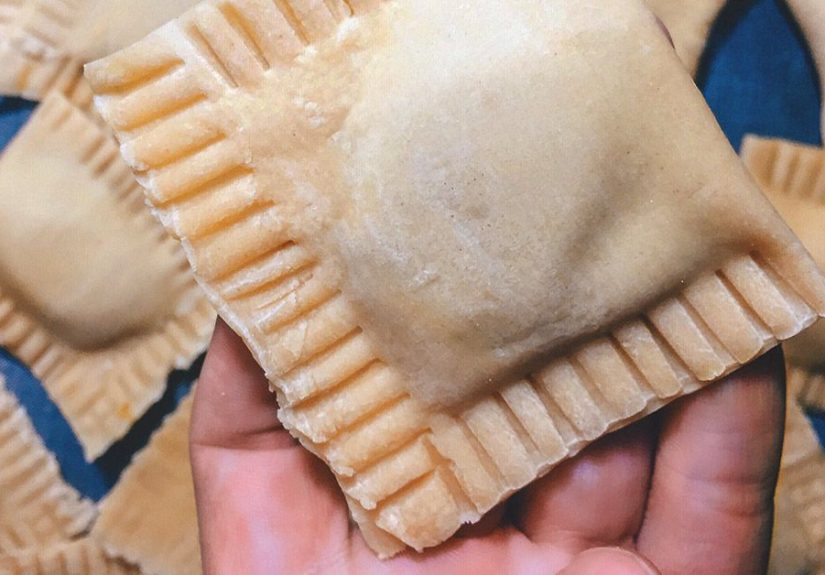
One reason this topic keeps coming up is that real life is messier than a simple yes-or-no food list. Many pregnant people are not asking, “Can I eat ricotta?” in the abstract. They are asking very specific questions like, “Can I eat the spinach ricotta ravioli from my favorite restaurant?” or “I had ricotta on toast before I remembered I am supposed to check labels. Now what?” These are normal questions, and they usually come from a place of wanting to do the right thing without turning every meal into a crisis.
A very common experience is the first-trimester food aversion problem. Some pregnant people suddenly cannot tolerate eggs, meat, or strong-smelling foods, and mild dairy options become much easier to eat. Ricotta can be appealing because it is soft, bland, versatile, and easy to pair with fruit, toast, pasta, or baked dishes. For someone dealing with nausea, ricotta may feel manageable when other protein foods seem impossible. That is one reason it often becomes part of a pregnancy meal routine.
Another common situation happens at restaurants. A person orders baked ziti, stuffed shells, white pizza, cannoli filling, or ricotta pancakes and then remembers halfway through the meal that soft cheese has a reputation. Usually, the safest response is not to panic but to think through the details. Was the ricotta likely from a commercial U.S. source? Was it served hot in a cooked dish? Was the restaurant reputable and busy enough that ingredients probably move quickly? In many of these cases, the actual risk is low, especially if the ricotta was pasteurized and properly stored.
There is also the “my family thinks I am being dramatic” experience. Plenty of pregnant people get teased for reading labels, asking servers about cheese, or skipping buffet food. But food safety during pregnancy is not drama. It is risk management. You are not being difficult because you asked whether the ricotta was pasteurized. You are being informed. There is a difference.
Some people also feel anxious after eating ricotta because they learn about listeria late, not early. Maybe they had a bite of a pastry, a scoop of lasagna at a party, or a spoonful of ricotta from a friend’s kitchen without asking questions first. In that moment, it helps to remember that exposure does not equal illness. Most pasteurized ricotta products are fine. Most accidental bites do not lead to a medical problem. The decision about whether to call a provider depends more on whether the product was recalled, unpasteurized, spoiled, or followed by symptoms than on the fact that it was ricotta at all.
And finally, there is the practical nesting phase: the pregnant person who just wants simple, safe foods at home. For many, ricotta works beautifully in that role. It can be spread on toast, stirred into pasta, baked into casseroles, or mixed into pancakes for extra protein. When bought carefully and handled well, it often becomes one of those helpful refrigerator staples that feels both comforting and convenient. In pregnancy, that is a win worth appreciating.