Table of Contents >> Show >> Hide
- At a Glance: What Excessive Daytime Sleepiness Really Means
- A Simple Visual Map of the Most Common Causes
- How Daytime Sleepiness Shows Up in Real Life
- Common Causes of Excessive Daytime Sleepiness
- What a Doctor May Ask During an Evaluation
- Tests That Help Diagnose the Cause
- Managing Excessive Daytime Sleepiness: What Actually Helps
- Red Flags: When Sleepiness Needs Prompt Medical Attention
- A 7-Day Reset Plan for Better Daytime Alertness
- Frequently Asked Questions
- Experiences People Commonly Describe With Excessive Daytime Sleepiness
- Final Takeaway
- SEO Tags
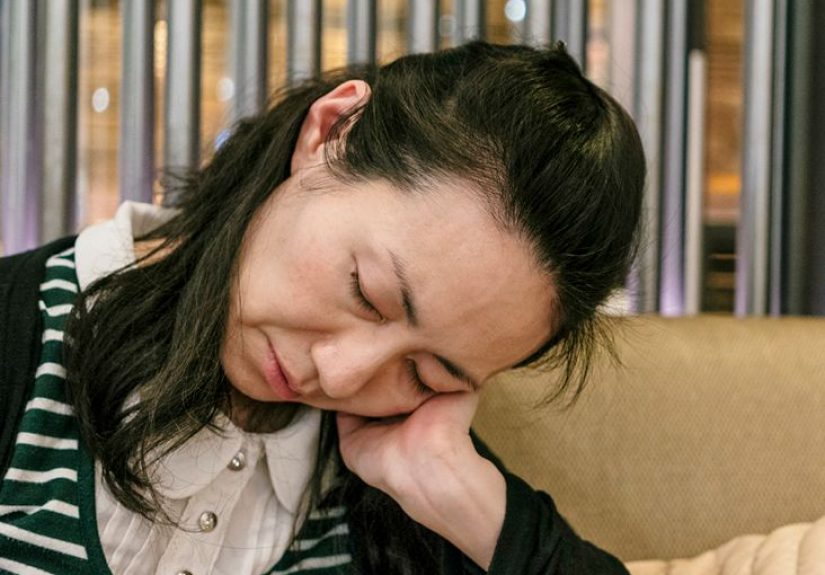
Some people collect stamps. Some collect streaming subscriptions. And some, unfortunately, collect yawns all day long. If you feel sleepy in meetings, on the couch, in class, or worst of all, behind the wheel, it may be more than “just being tired.” Managing excessive daytime sleepiness starts with understanding one key truth: it is usually a symptom, not a personality flaw, not laziness, and not your body trying to ruin your afternoon.
This visual guide breaks down what excessive daytime sleepiness is, what causes it, how doctors evaluate it, and what practical steps can help. Think of it as a road map for staying awake, thinking clearly, and getting your life back from the land of accidental naps.
At a Glance: What Excessive Daytime Sleepiness Really Means
Excessive daytime sleepiness means you struggle to stay awake and alert during the day, even when you are supposed to be fully functioning. It is different from ordinary fatigue. Fatigue can feel like low energy, heavy limbs, or mental fog. Daytime sleepiness is that strong pull toward sleep that makes your eyelids feel like weighted blankets.
- Do you nod off while reading, watching TV, or sitting quietly?
- Do you feel dangerously drowsy while driving or riding as a passenger?
- Do you get enough time in bed but still wake up unrefreshed?
- Do people tell you that you snore, gasp, stop breathing, or thrash around at night?
If you answered yes to more than one of these, your body may be sending a very loud message in a very sleepy voice.
A Simple Visual Map of the Most Common Causes
When managing excessive daytime sleepiness, it helps to picture the problem in four buckets:
- Too little sleep: You simply are not getting enough hours.
- Poor-quality sleep: You are in bed, but your sleep is fragmented or unrefreshing.
- Sleep-wake disorders: Conditions like sleep apnea, narcolepsy, idiopathic hypersomnia, insomnia, circadian rhythm disorders, or restless legs syndrome interfere with alertness.
- Other contributors: Medications, alcohol, medical conditions, chronic pain, depression, anxiety, or shift work may be pushing you toward daytime drowsiness.
That is why the best treatment is not “try harder to stay awake.” It is finding the right bucket and fixing the cause.
How Daytime Sleepiness Shows Up in Real Life
Excessive sleepiness rarely arrives with a trumpet solo. It usually sneaks in through everyday problems:
- Reading the same paragraph three times and still absorbing nothing
- Dozing during movies, lectures, meetings, or long calls
- Needing multiple alarms and still feeling half-conscious in the morning
- Craving caffeine like it is a legal personality transplant
- Feeling irritable, forgetful, or emotionally “thin-skinned”
- Having microsleeps, which are very brief episodes of sleep that can happen without much warning
This matters because sleepiness does not just reduce productivity. It can affect memory, mood, judgment, reaction time, and safety. Drowsy driving is especially risky. If you are fighting to keep your eyes open in traffic, that is not the time for motivational speeches. That is the time to stop and get help.
Common Causes of Excessive Daytime Sleepiness
1. Not Getting Enough Sleep
This is the obvious one, but it still wins awards for being underestimated. Adults usually need a regular pattern of sufficient sleep, and many people run a quiet sleep debt for weeks or months. Late-night scrolling, unpredictable schedules, school pressure, work deadlines, gaming, long commutes, or shift work can all chip away at total sleep time.
When this happens, the body does not politely shrug. It starts billing you in the daytime with slower thinking, worse mood, and a rising urge to sleep.
2. Obstructive Sleep Apnea
Sleep apnea is one of the most common medical causes of daytime sleepiness. In obstructive sleep apnea, the upper airway repeatedly narrows or collapses during sleep. That can lead to snoring, choking, gasping, repeated awakenings, and poor oxygen delivery. You may not remember waking up, but your body remembers every single interruption.
Classic clues include loud snoring, witnessed pauses in breathing, morning headaches, dry mouth, and waking unrefreshed. Some people say, “I was in bed for eight hours, so why do I feel like I slept in a moving blender?” Sleep apnea is often the answer.
3. Narcolepsy and Idiopathic Hypersomnia
Narcolepsy is a neurologic sleep disorder that causes overwhelming daytime sleepiness and sudden sleep attacks. Some people also have cataplexy, which is sudden muscle weakness triggered by strong emotions such as laughter, surprise, or excitement. Narcolepsy may also include vivid dream-like experiences when falling asleep or waking up, plus sleep paralysis.
Idiopathic hypersomnia is different but equally disruptive. People with this disorder can sleep long hours and still feel profoundly sleepy during the day. Waking up may feel like crawling out of wet cement while wearing oven mitts.
4. Circadian Rhythm Problems and Shift Work
Your body runs on an internal clock. When your schedule fights that clock, daytime sleepiness often follows. Shift work, overnight jobs, rotating schedules, jet lag, and delayed sleep patterns can all push your sleep into the wrong time slot. Even if you are technically in bed long enough, the timing may be off enough to leave you groggy and unfocused.
5. Insomnia and Fragmented Sleep
People often think insomnia only causes nighttime misery, but it can absolutely create daytime sleepiness too. Trouble falling asleep, staying asleep, or waking too early can lead to non-restorative sleep. So can repeated bathroom trips, pain, reflux, coughing, or environmental disruptions like noise and light.
6. Restless Legs Syndrome and Sleep Movement Disorders
If your legs seem to stage a rebellion at bedtime with creepy-crawly, pulling, or uncomfortable sensations that improve with movement, restless legs syndrome may be involved. It can make it hard to fall asleep and may also fragment sleep during the night, leaving you exhausted the next day.
7. Medications, Alcohol, and Other Health Conditions
Some antihistamines, anti-anxiety medications, sleep medicines, pain medications, anti-seizure drugs, and other treatments can cause drowsiness. Alcohol may make you fall asleep faster, but it often disrupts sleep quality later in the night. Depression, anxiety, chronic pain, neurologic conditions, thyroid issues, and other medical problems can also contribute.
What a Doctor May Ask During an Evaluation
If you see a healthcare professional for excessive daytime sleepiness, expect questions that sound simple but matter a lot:
- How many hours do you sleep on workdays and days off?
- Do you snore, gasp, stop breathing, or wake choking?
- Do you take naps, and do they help?
- Are you sleepy while driving?
- What medications, supplements, caffeine, alcohol, or substances do you use?
- Do you work nights or rotating shifts?
- Do you have symptoms of cataplexy, restless legs, pain, or insomnia?
They may also ask you to complete a sleep questionnaire, such as the Epworth Sleepiness Scale, which measures how likely you are to doze off in common situations. It is not a diagnosis by itself, but it helps show how severe your sleepiness may be.
Tests That Help Diagnose the Cause
There is no single magic wand for diagnosing daytime sleepiness, but there are several useful tools:
Sleep History and Sleep Diary
A detailed history is often the first and most important step. A sleep diary can reveal patterns involving bedtimes, wake times, naps, caffeine, and symptoms.
Polysomnography
This overnight sleep study measures brain waves, breathing, heart rate, oxygen levels, limb movements, and more. It is especially useful when sleep apnea or other sleep disorders are suspected.
Home Sleep Apnea Testing
For some patients with suspected obstructive sleep apnea, home testing may be appropriate. But it does not diagnose everything, so a normal home test does not automatically rule out all sleep disorders.
Multiple Sleep Latency Test
The MSLT is commonly used after an overnight sleep study to measure how quickly you fall asleep during scheduled daytime nap opportunities. It can help identify disorders such as narcolepsy and hypersomnia. In plain English: it checks whether your brain is acting like it is permanently one warm blanket away from shutdown.
Managing Excessive Daytime Sleepiness: What Actually Helps
1. Protect Your Sleep Like It Pays Rent
Sleep is not wasted time. It is active maintenance for the brain and body. Start with the basics:
- Keep a consistent bedtime and wake time, even on weekends
- Aim for enough total sleep opportunity every night
- Use morning light to help anchor your body clock
- Limit screens and stimulating activity before bed
- Avoid caffeine late in the day
- Be cautious with alcohol, which can disrupt sleep quality
- Exercise regularly, but not too close to bedtime if it keeps you wired
2. Treat the Underlying Sleep Disorder
Fixing the root cause is where real progress happens.
- Sleep apnea: Treatment may include CPAP, weight management, oral appliances, positional therapy, or other clinician-guided options.
- Narcolepsy or hypersomnia: Treatment may include wake-promoting medications, structured schedules, planned naps, and safety planning.
- Insomnia: Cognitive behavioral therapy for insomnia, often called CBT-I, is a leading non-drug treatment.
- Circadian rhythm problems: Timed light exposure, schedule adjustments, and careful caffeine timing may help.
- Restless legs syndrome: Treatment depends on the cause and severity and may include checking iron status and other targeted approaches.
3. Review Medications and Habits
If a medication is making you drowsy, do not stop it on your own, but ask whether the timing, dose, or alternative options can be adjusted. Also take a hard look at late caffeine use, alcohol, nicotine, long naps, and erratic sleep schedules. Sometimes the sleep thief is hiding in plain sight with a coffee mug and a glowing phone screen.
4. Use Naps Strategically
Naps can help some people, especially those with shift work challenges or narcolepsy. But random, long, late-afternoon naps can also make nighttime sleep worse. The key is using naps as a tool, not as a chaotic side hobby.
Red Flags: When Sleepiness Needs Prompt Medical Attention
- You are falling asleep while driving, working, or in other dangerous situations
- You snore loudly and someone notices pauses in your breathing
- You have sudden muscle weakness with emotions, which may suggest cataplexy
- You sleep enough hours but still feel overwhelmingly sleepy every day
- Your sleepiness is worsening quickly or affecting school, work, or mood
Do not brush off these signs. Excessive daytime sleepiness can be treatable, but only if it is recognized.
A 7-Day Reset Plan for Better Daytime Alertness
If you are waiting for an appointment or want a strong starting point, try this simple reset:
- Day 1: Set a fixed wake time and stick to it.
- Day 2: Track caffeine, naps, and total sleep time.
- Day 3: Get bright light in the morning and move your body during the day.
- Day 4: Cut off caffeine earlier than usual.
- Day 5: Remove screens from the last part of your bedtime routine.
- Day 6: Ask a sleep partner whether you snore, gasp, kick, or stop breathing.
- Day 7: If sleepiness is still significant, schedule a medical evaluation and bring your notes.
This plan will not cure narcolepsy or sleep apnea, but it can clarify whether poor sleep habits are part of the problem and give your clinician a much better starting picture.
Frequently Asked Questions
Is excessive daytime sleepiness the same as being tired?
No. Tiredness can mean low energy. Sleepiness means your brain is trying to power down and pull you into sleep.
Can you have sleep apnea without realizing it?
Yes. Many people do not know they repeatedly stop breathing during sleep until a partner notices or a doctor connects the dots.
Can teenagers and young adults have excessive daytime sleepiness?
Absolutely. Irregular schedules, sleep deprivation, delayed sleep timing, and sleep disorders can all affect younger people too.
Will more coffee fix it?
Caffeine may temporarily increase alertness, but it does not correct the underlying cause. It is more like borrowing energy from later and paying interest in lousy sleep.
Experiences People Commonly Describe With Excessive Daytime Sleepiness
One of the most frustrating parts of excessive daytime sleepiness is how invisible it can look from the outside. A person may appear lazy, distracted, unmotivated, or “not trying,” when in reality they are doing battle with relentless drowsiness from the moment they wake up.
A common experience is the fake morning start. Someone wakes up after what should have been enough sleep, drags themselves out of bed, showers, drinks coffee, and still feels as if their brain never quite turned on. They make it through the first hour or two of the day on momentum alone, then hit a wall by late morning. Their eyes burn, their focus fades, and every quiet moment feels like an invitation to nod off.
Another familiar pattern is the afternoon crash that feels bigger than lunch. This is not just a normal post-meal dip. It is the kind of sleepiness that makes reading impossible, meetings feel surreal, and simple tasks take twice as long. A person may open a laptop, stare at the screen, and realize ten minutes later that they have mentally drifted into nowhere. They are awake, technically, but not fully operational.
Students often describe a similar struggle in class. They want to pay attention. They care about the material. But their head gets heavy, their notes become nonsense, and they miss pieces of information because their brain keeps blinking out. Some start to believe they are bad students when the real issue may be sleep deprivation, circadian misalignment, or an undiagnosed sleep disorder.
At work, excessive daytime sleepiness can quietly damage confidence. People may worry that coworkers think they are bored or careless. They may overuse caffeine, keep standing up to stay awake, or volunteer for active tasks just so they do not doze off at a desk. Some begin to avoid long drives, dim conference rooms, or evening plans because they know they will not be able to stay alert.
Then there is the emotional side. Many people with chronic sleepiness feel guilty, embarrassed, or misunderstood. Friends might joke that they can “sleep anywhere,” while the person living with the problem knows it is not funny when sleepiness affects driving, relationships, grades, or job performance. Some begin canceling plans because they are too exhausted to function, which can lead to isolation and frustration.
For people with disorders like narcolepsy or idiopathic hypersomnia, the experience can be even more intense. They may describe sleep inertia, or that awful feeling of being stuck between sleep and wakefulness for far too long. Even after a full night of sleep, waking up can feel confusing, heavy, and physically difficult. It is not a lack of discipline. It is a real neurologic and physiologic problem.
The encouraging part is that many people feel enormous relief once the cause is identified. A diagnosis can replace self-blame with a plan. Whether the answer is better sleep habits, treatment for sleep apnea, management of narcolepsy, medication review, or a shift-work strategy, understanding the source of the sleepiness often becomes the first real step toward feeling normal again.
Final Takeaway
Managing excessive daytime sleepiness is not about becoming superhuman or pretending you do not need rest. It is about recognizing that persistent daytime drowsiness usually signals a problem worth solving. Start by looking at sleep amount, sleep quality, schedule timing, symptoms like snoring or sudden sleep attacks, and the possible role of medications or medical conditions.
If your sleepiness is frequent, intense, or unsafe, especially if it affects driving or daily functioning, seek medical evaluation. There are real answers, real tests, and real treatments. And that is very good news for anyone who is tired of being tired.