Table of Contents >> Show >> Hide
- Why Skin Gets Itchy in the First Place
- Who Can Usually Try Home Remedies First?
- 7 Home Remedies for Itchy Skin
- 1. Apply a Thick, Fragrance-Free Moisturizer Right After Bathing
- 2. Keep Showers and Baths Short, Warm, and Boring
- 3. Try a Colloidal Oatmeal Bath
- 4. Use a Cool Compress When the Itch Spikes
- 5. Switch to Gentle, Fragrance-Free Skin Care and Laundry Products
- 6. Add Moisture Back Into the Air With a Humidifier
- 7. Use OTC Anti-Itch Products Carefully
- Bonus Habits That Make Home Remedies Work Better
- When Home Remedies Are Not Enough
- How to Build a Simple Anti-Itch Routine
- Conclusion
- Everyday Itch Experiences: What This Can Feel Like in Real Life
Itchy skin has a special talent: it can make a tiny patch on your arm feel like the biggest problem in the universe. One minute you are answering emails like a calm, evolved adult; the next, you are absentmindedly scratching your ankle like a bear against a tree. Glamorous? Not exactly. Common? Very.
The good news is that mild itchy skin often improves with simple home care. Dry air, harsh soap, long hot showers, friction from clothing, and skin-barrier trouble can all make your skin feel tight, flaky, and maddeningly itchy. In many cases, the fix is less about fancy products and more about helping your skin calm down, hang onto moisture, and stop sending out tiny distress signals.
In this guide, you will find 7 home remedies for itchy skin that are practical, skin-friendly, and easy to try at home. We will also cover what causes itch in the first place, when DIY care is reasonable, and when it is time to stop playing guessing games and call a medical professional.
Why Skin Gets Itchy in the First Place
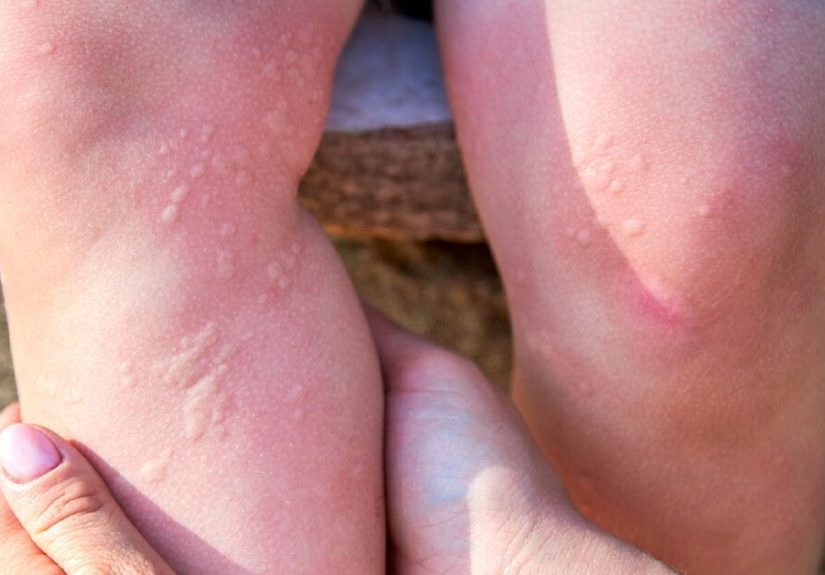
Before we talk remedies, it helps to know why your skin is staging a protest. Itching, also called pruritus, can happen when the skin barrier gets irritated, overly dry, inflamed, or exposed to something it does not appreciate. Common triggers include:
- Dry skin from cold weather, indoor heat, aging, or over-washing
- Fragranced soaps and skin products that strip natural oils
- Mild eczema flares or sensitive skin
- Heat and sweat, which can make already-irritated skin angrier
- Rough fabrics or tight clothing that rub the skin
- Minor irritant exposure, such as detergents or shaving products
That said, not every itch is a simple dry-skin drama. Sometimes itchy skin is linked to hives, infections, allergic reactions, medication side effects, or underlying medical issues. So while home remedies can be wonderfully helpful, they are not a substitute for getting checked out when symptoms are severe, persistent, or just plain weird.
Who Can Usually Try Home Remedies First?
Home treatment makes sense when the itch is mild to moderate, the skin is just dry or slightly irritated, and you do not have major red flags like fever, rapid swelling, pus, large blisters, yellowing skin, or trouble breathing. If your itch is localized, recent, and clearly tied to dry weather or a product that annoyed your skin, starting with gentle at-home care is reasonable.
Now, onto the part your skin has been waiting for.
7 Home Remedies for Itchy Skin
1. Apply a Thick, Fragrance-Free Moisturizer Right After Bathing
If itchy skin had an MVP award, moisturizer would probably take home the trophy. When your skin is dry, the outer barrier does a poor job of holding onto water and keeping irritants out. That is when itching loves to move in and unpack its bags.
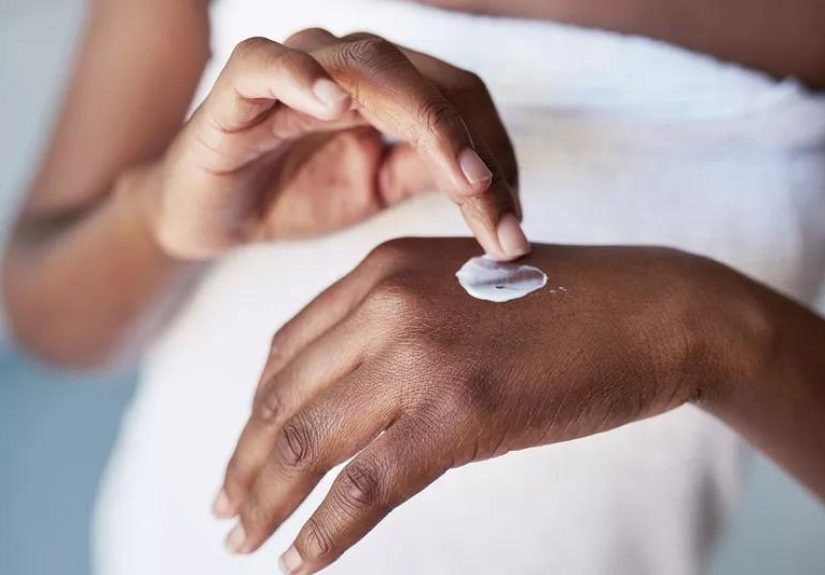
The simplest upgrade is to switch from a lightweight, scented lotion to a thicker fragrance-free cream or ointment. Ointments and richer creams usually do a better job of sealing in moisture than thin lotions. The best time to apply them is right after a bath or shower, while your skin is still slightly damp. Think of it as trapping water where your skin actually needs it instead of letting it evaporate into the air and freedom.
What to do:
- Pat skin dry instead of rubbing it
- Apply moisturizer within a few minutes of bathing
- Reapply to itchy spots during the day as needed
- Choose products labeled fragrance-free rather than just “unscented”
Why it helps: Better hydration can reduce tightness, flaking, and that low-grade “I would like to scratch my shin off” feeling that dry skin causes.
2. Keep Showers and Baths Short, Warm, and Boring
Hot showers feel amazing. Your skin, however, may file a formal complaint. Long, steamy showers can strip away natural oils, making dry itchy skin worse instead of better.
If your skin is already irritated, aim for lukewarm water and keep bathing time on the shorter side. This is not the most thrilling wellness advice on the internet, but it works. Your skin does not need a spa day that feels like a lobster rehearsal.
What to do:
- Shower or bathe for about 5 to 10 minutes
- Use warm water, not hot
- Cleanse only where needed if your skin is very dry
- Apply moisturizer right away afterward
Why it helps: Shorter, gentler bathing helps preserve the skin barrier so you lose less moisture and trigger less irritation.
3. Try a Colloidal Oatmeal Bath
Yes, oatmeal belongs in breakfast. It also has a surprisingly solid reputation in skin care. Colloidal oatmeal is finely ground oatmeal made for skin use, and it is often recommended for itchy, dry, irritated skin. It can be especially soothing when your skin feels inflamed, rough, or prickly.
This is not a cue to dump a family-size tub of instant maple-brown-sugar oats into the bathtub. Use plain colloidal oatmeal products made for bathing, or finely ground plain oats if that is the option you have and your skin tolerates it.
What to do:
- Add colloidal oatmeal to lukewarm bathwater according to the package directions
- Soak for around 10 minutes
- Pat skin dry gently
- Follow up with moisturizer while skin is still damp
Why it helps: Oatmeal can help calm irritation, support moisture retention, and make itchy skin feel less dramatic.
4. Use a Cool Compress When the Itch Spikes
Sometimes itch is less of a background nuisance and more of an emergency pop-up ad in your nervous system. That is where a cool compress can shine. Cooling the area may help blunt the itch sensation long enough for your brain to stop screaming, “Scratch it now!”
What to do:
- Wet a clean washcloth with cool water
- Wring it out and place it on the itchy area for 5 to 10 minutes
- Repeat as needed
- Avoid putting ice directly on the skin
Why it helps: Cool temperatures can temporarily calm inflamed skin and interrupt the scratch cycle. This is especially useful at night, when itching loves to suddenly become the main character.
5. Switch to Gentle, Fragrance-Free Skin Care and Laundry Products
Sometimes the “home remedy” is not adding something new. It is removing the thing quietly sabotaging your skin. Harsh cleansers, heavily fragranced body washes, scented lotions, and strongly perfumed laundry detergents can all irritate sensitive or dry skin.
If your itch keeps showing up after showers, after getting dressed, or after switching products, your routine may be more aggressive than your skin prefers. Your skin barrier is not lazy. It is just tired of being interrogated by perfume, dye, and foamy drama.
What to do:
- Choose a gentle, fragrance-free cleanser
- Skip exfoliating scrubs on itchy areas
- Use fragrance-free laundry detergent if clothing seems irritating
- Avoid alcohol-heavy skin products if they sting or dry you out
Why it helps: Reducing exposure to irritants gives your skin a chance to heal instead of getting poked over and over again.
6. Add Moisture Back Into the Air With a Humidifier
If your itchy skin gets worse in winter or whenever indoor heat is blasting, the problem may not be your cream. It may be your air. Dry indoor air can pull moisture out of the skin and leave it feeling flaky, tight, and itchy.
A humidifier can help by adding moisture back into your environment, especially overnight when itching tends to feel louder. No, it is not the sexiest home appliance, but neither is scratching your calves at 2 a.m.
What to do:
- Run a humidifier in your bedroom or most-used room
- Clean it regularly according to manufacturer directions
- Combine it with consistent moisturizing for better results
Why it helps: When the air is less dry, your skin loses less water to the environment, which may help reduce irritation and itch.
7. Use OTC Anti-Itch Products Carefully
Sometimes your skin needs a little extra backup. For small itchy spots, over-the-counter hydrocortisone 1% cream may help calm inflammation for a short time. Some people also find relief from anti-itch lotions or calamine, depending on the cause of the itch.
But this is the part where we let common sense wear a name tag. OTC itch products are useful tools, not glittery cure-alls. If you are using them constantly, if the rash is spreading, or if the itch keeps returning, it is time to stop DIY-ing your way through it and get medical advice.
What to do:
- Use a thin layer on a small itchy area for short-term relief
- Do not use on broken, infected, or oozing skin unless a clinician tells you to
- Ask a clinician before using steroid creams on the face, groin, or for young children
- If you need it often, get evaluated instead of guessing
Why it helps: These products can temporarily reduce inflammation and itch, which helps prevent more scratching and more skin damage.
Bonus Habits That Make Home Remedies Work Better
The truth is that itch relief at home works best when you pair remedies with a few low-effort habits:
- Try not to scratch. Yes, easier said than done. But scratching damages skin and can invite infection.
- Keep nails short. Your skin will appreciate the reduced collateral damage.
- Wear soft, breathable fabrics. Cotton is often kinder than rough or scratchy materials.
- Stay cool. Heat can make itching feel more intense.
- Be consistent. One good bath and one heroic blob of cream will not always fix a chronically dry skin barrier overnight.
When Home Remedies Are Not Enough
Here is the important part: itchy skin is often harmless, but not always. You should contact a healthcare professional if:
- The itching lasts more than a couple of weeks
- It keeps returning for no obvious reason
- The itch is severe or keeps you from sleeping
- You have signs of infection, such as pain, warmth, pus, or crusting
- You have a widespread rash, hives, swelling, or blistering
- You feel sick, have fever, or notice other body symptoms
- You are itching a lot but do not see a rash or dry skin explanation
- You have trouble breathing or swelling of the lips or tongue, which needs urgent care
If your skin is sending mixed signals, it is okay to tap out and get expert help. Heroically Googling your way through three weeks of relentless itching is not a personality trait.
How to Build a Simple Anti-Itch Routine
If you want the shortest path to calmer skin, try this basic routine for a week:
- Take one short lukewarm shower daily.
- Use a gentle fragrance-free cleanser only where needed.
- Pat dry.
- Apply a thick fragrance-free cream or ointment within a few minutes.
- Use a cool compress when itch spikes.
- Try a colloidal oatmeal bath a few times a week if your skin feels inflamed or extra dry.
- Run a humidifier at night if your indoor air is dry.
That is it. No seventeen-step ritual. No products with names that sound like they were developed on Mars. Just steady, boring, effective skin care.
Conclusion
If your skin is itchy, the fix is often less glamorous than you may hope and more effective than you expect. Thick moisturizer, lukewarm showers, colloidal oatmeal, cool compresses, a gentler product lineup, and a little environmental moisture can go a long way toward calming mild itch. The real trick is consistency. Skin barriers love routines, even if the rest of us are chaos goblins.
Try the remedies above, pay attention to what your skin likes, and do not ignore symptoms that stick around or seem out of proportion. Mild itchy skin can often be managed at home, but persistent or unexplained itch deserves real medical attention. Your skin should not have to send a dozen scratchy little SOS messages before it gets some peace and quiet.
Everyday Itch Experiences: What This Can Feel Like in Real Life
The following examples are illustrative composite experiences based on common situations people describe when dealing with itchy skin. They are here to make the topic more relatable, not to replace medical advice.
The winter-shin situation: A lot of people first notice itchy skin when the weather gets colder. Their legs look mostly normal, maybe a little ashy or flaky, but by evening the itching kicks in like clockwork. They scratch without thinking while watching TV, then wonder why their skin feels even rougher the next day. In this kind of situation, the real breakthrough is often not a miracle cream but changing the whole pattern: shorter warm showers, thicker moisturizer, and a humidifier in the bedroom.
The “new body wash, who dis?” episode: Someone switches to a beautifully scented soap that smells like a tropical vacation and immediately discovers their skin prefers a less exciting social life. Their arms and chest start feeling prickly after every shower. There may not be a dramatic rash, just irritation and itch. Once they go back to a gentle fragrance-free cleanser, the skin slowly settles down. It is an annoyingly common reminder that “smells amazing” and “skin barrier approved” are not always best friends.
The stress-scratch spiral: Some people notice itching gets louder when they are stressed, tired, or trying to fall asleep. During the day they barely notice it, but at night every itch feels amplified under a spotlight. They scratch, the skin gets more irritated, and the next night the itch returns even stronger. A cool compress, consistent moisturizing, and keeping nails short can make a surprisingly big difference in breaking that cycle.
The laundry-detergent mystery: Another very real experience is when skin feels itchy only where clothes fit closely: waistbands, underarms, socks, or the back of the knees. The culprit may not be the skin itself so much as fabric friction, trapped sweat, or a detergent that leaves residue behind. Switching to fragrance-free laundry products and softer fabrics sometimes turns out to be the least dramatic and most effective detective work.
The “I waited too long” lesson: Then there is the person who assumes every itch is just dry skin, even when it keeps getting worse, spreads, or starts interfering with sleep. This experience matters because it shows the limit of home remedies. When itch sticks around for weeks, keeps coming back, or is paired with a serious rash or other symptoms, getting evaluated is not overreacting. It is smart. In other words, moisturizer is great, but it does not have a medical degree.