Table of Contents >> Show >> Hide
- What a Return Air Vent Actually Does
- So… Is It Bad to Block a Return Air Vent?
- What Happens If You Block a Return Air Vent?
- Blocking a Return Vent vs. Closing a Supply Vent
- Common Scenarios That Cause Return Vent Problems
- What to Do Instead of Blocking a Return Vent
- Are There Any Exceptions?
- Signs a Blocked Return Vent May Be Causing Problems
- Common Experiences Homeowners Have With Blocked Return Vents (Extended Section)
- Experience 1: “We Moved the Couch and the Room Felt Better in a Day”
- Experience 2: “The Bedrooms Are Fine Until We Close the Doors”
- Experience 3: “We Closed Off a Room to Save Money and It Backfired”
- Experience 4: “The New Decorative Cover Looked Great but Airflow Got Worse”
- Experience 5: “We Thought It Was the HVAC Unit, but It Was the Rug”
- Final Verdict
Short answer: yes, usually. Blocking a return air vent is one of those home “hacks” that feels smart in the moment and then quietly causes problems in the background. It’s a little like covering your laptop’s cooling fan because the noise is annoying. The noise might fade, but the system is still working hardand not in a good way.
If your home uses a forced-air HVAC system, return vents are not decorative rectangles. They’re part of the breathing cycle of your heating and cooling system. Supply vents push conditioned air into rooms, and return vents pull indoor air back to the air handler so it can be filtered, heated or cooled, and sent back out again. When that return path is blocked, airflow gets restricted, pressure gets weird, comfort drops, and your HVAC equipment can end up doing extra work.
In this guide, we’ll break down what return vents actually do, what happens when you block one, the common myths homeowners hear, and what to do instead if a room is too hot, too cold, or just plain annoying. We’ll also cover real-world experiences and examples so this isn’t just “HVAC textbook talk.”
What a Return Air Vent Actually Does
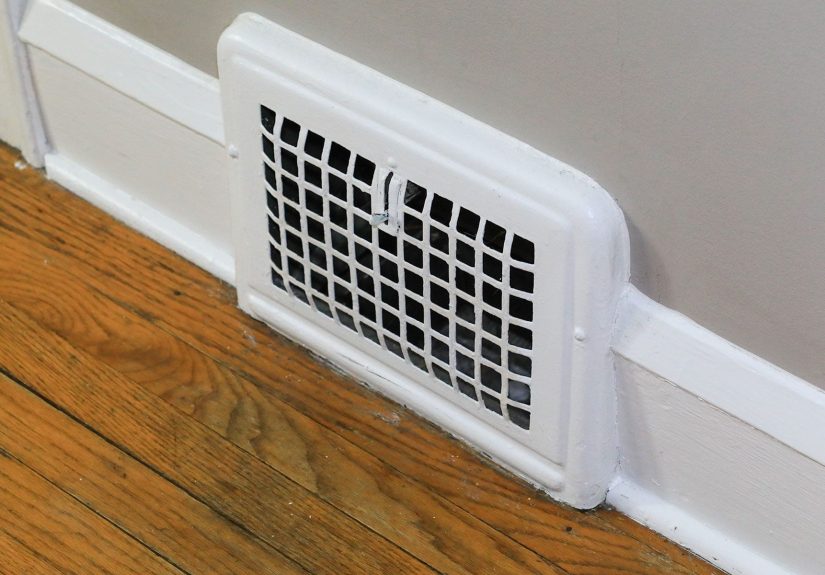
A return air vent pulls indoor air back into your HVAC system. Think of it as the “intake” side of the airflow loop. The system doesn’t just blast air into your home and call it a dayit needs a return path to recirculate air through the filter and equipment.
In a typical central HVAC setup:
- Supply vents deliver heated or cooled air into rooms.
- Return vents pull air back to the air handler.
- The filter (often near the return side) captures dust and particles.
- The system conditions that air again and redistributes it.
This is why HVAC airflow is all about balance. Your system is designed around a certain volume of air moving through it. When return airflow is reduced, the system can’t “breathe” properly. And HVAC systems are surprisingly dramatic when they can’t breathe properly.
So… Is It Bad to Block a Return Air Vent?
In most homes, yesit’s a bad idea to block a return air vent with furniture, rugs, wall décor, storage bins, or anything else. It can cause airflow restrictions, raise static pressure, make rooms less comfortable, reduce efficiency, and contribute to equipment wear over time.
Here’s the key point: return vents are part of the system design. If you block one, you are changing how air moves through the entire house, not just one room. That’s why a “small” blockage can create bigger comfort and performance issues elsewhere.
What Counts as “Blocking” a Return Vent?
Blocking doesn’t only mean taping it shut (which is definitely not recommended). It also includes:
- Pushing a couch, dresser, or bed directly against the grille
- Covering it with curtains, baskets, or décor panels
- Placing a rug over a floor return
- Letting heavy dust buildup or a clogged grille reduce airflow
- Closing interior doors in rooms that rely on hallway returns without a proper return path
That last one surprises people. In some homes, the return isn’t in every room. Instead, air is expected to flow under doors or through transfer pathways back to a central return. If doors are closed and airflow can’t get back, the room can become pressurized and comfort suffers.
What Happens If You Block a Return Air Vent?
1) Airflow Drops and Static Pressure Can Increase
HVAC systems are engineered for a certain airflow rate. When a return vent is blocked, the blower has to work against more resistance. That can increase static pressure in the duct system and disrupt airflow balance. In practical terms, the system may struggle to move air the way it was designed to.
Higher static pressure is one of the main reasons HVAC pros warn against blocking vents. It can reduce performance, increase noise, and put more strain on components. You might hear whistling, feel weaker airflow at supply vents, or notice the system running longer than usual.
2) Comfort Gets Worse, Not Better
Many people block vents because one room feels too cold or too hot. Ironically, the result is often worse comfort overall. HVAC systems are built to distribute air through a balanced network. When you block the return path, some rooms can become stuffy, others can feel drafty, and temperature differences may get more noticeable.
If you’ve ever said, “Why is the bedroom freezing but the hallway feels fine?” there’s a decent chance airflow balance is part of the story.
3) Your System May Run Less Efficiently
Blocking a return vent does not usually save energy. In fact, it can do the opposite. If airflow is restricted, the equipment may run longer or cycle in ways that reduce efficiency. That can mean higher utility bills, not lower ones.
This is one of the most persistent HVAC myths: “Close vents in unused rooms and save money.” Modern systems usually don’t magically reduce output just because you blocked a path. They still try to move air through the system, just with more resistance and less balance.
4) It Can Increase Equipment Wear
Restricted airflow can contribute to equipment stress over time. Depending on the season and system type, that may show up as:
- More frequent cycling
- Reduced heating or cooling performance
- Blower strain
- Potential coil issues (including freezing risk in some cooling situations)
- Shorter equipment life if the problem continues long term
You may not see damage right away, but HVAC issues are often cumulative. A return vent blocked for a week is one thing. A return vent blocked behind a giant sectional for three years is a lifestyle.
5) Indoor Air Quality Can Take a Hit
Return airflow matters for filtration. In many homes, the air filter is installed at the return grille or near the return side of the air handler. If airflow is reduced, the system may not filter and circulate air as effectively. That can lead to stuffier rooms, uneven freshness, and more dust complaints.
Also, when airflow gets imbalanced, air may find other paths through leaks and gaps in the home or ductwork. That can worsen comfort and potentially pull in air you’d rather not recruit, like dusty attic or crawlspace air in homes with duct leakage.
Blocking a Return Vent vs. Closing a Supply Vent
Homeowners often mix these up, so let’s make it simple:
- Supply vent: Blows conditioned air into the room.
- Return vent: Pulls room air back to the HVAC system.
Both matter, but blocking a return vent can be especially problematic because it interferes with the system’s ability to pull air back for recirculation and filtration. If you block a supply vent, you may still create pressure and balance problems. If you block a return vent, you’re also choking the intake side of the system.
In other words, supply and return are a team. Messing with either one can upset the whole game.
Common Scenarios That Cause Return Vent Problems
Furniture Placement
This is the most common issue. A sofa, dresser, or bookshelf gets placed in front of a wall return because the room layout “looks better,” and suddenly the airflow drops. It may not feel dramatic, but even partial blockage matters.
Floor Returns Covered by Rugs
Floor returns in older homes are easy to cover by accident. A large area rug can restrict airflow enough to affect comfort and make the system noisier.
Closed Bedroom Doors With No Return Path
Some homes have only one central return instead of returns in every bedroom. When bedroom doors are closed, the supplied air can’t easily get back to the return. That can create pressure imbalances and reduce airflow. This is a big reason some homes feel “different” when doors are closed at night.
Decorative Vent Covers That Look Great but Breathe Terribly
Some aftermarket vent covers are beautiful and airflow-unfriendly. If a decorative grille has less open area than the original, it may act like a permanent restriction.
What to Do Instead of Blocking a Return Vent
If you’re tempted to block a return vent because a room feels uncomfortable, you’re not wrong to want a fix. You just need a better fix.
1) Keep a Clear Airflow Zone Around the Return
A good rule of thumb is to avoid placing furniture directly against the return grille. Give it breathing room. Even a few inches can be better than “pressed flat like a pancake.”
2) Check the Filter First
A dirty filter can mimic a lot of airflow problems. If your home feels stuffy or the system seems weak, check the filter before redesigning your living room. A clogged filter increases resistance and reduces airflow.
3) Use Dampers (If Your System Has Them) the Right Way
Some systems have balancing dampers in the ductwork. These are not the same thing as closing room vents. Dampers can be adjusted more precisely, ideally by a technician, to improve airflow without causing major pressure problems.
4) Improve the Return Path for Closed Rooms
If closed bedroom doors are causing issues, ask an HVAC professional about options such as:
- Transfer grilles
- Jump ducts
- Dedicated returns in problem rooms
- Pressure-balancing solutions
These solutions are much smarter than blocking vents because they solve the airflow pathway problem instead of creating a new one.
5) Consider Zoning if You Truly Need Room-by-Room Control
If your goal is different temperatures in different areas, the real answer may be HVAC zoningnot random vent blocking. Zoned systems use dampers and thermostats designed for that purpose. It’s controlled, measured, and much safer for system performance.
Are There Any Exceptions?
There are a few situations where airflow changes can be managed safely, but they usually involve professional design, testing, or zoning controls. If an HVAC pro measures static pressure and airflow and confirms a change is safe, that’s different from DIY vent experiments.
Also, not every home reacts the same way. Duct layout, blower type, system size, return design, and home leakage all matter. But in general, blocking a return air vent is still a bad bet for comfort, efficiency, and long-term equipment health.
Signs a Blocked Return Vent May Be Causing Problems
- Weak airflow at supply vents
- Rooms that feel stuffy or uneven in temperature
- Whistling sounds near vents or doors
- HVAC system running longer than usual
- More dust than normal
- Hot/cold spots that get worse when doors are closed
- Furniture placed directly in front of a return grille (the classic culprit)
If any of these sound familiar, don’t panic. Start with the basics: clear the vent, check the filter, and see if comfort improves. If not, an HVAC technician can test airflow and static pressure to pinpoint the issue.
Common Experiences Homeowners Have With Blocked Return Vents (Extended Section)
To make this topic more practical, here are common real-world experiences homeowners report when a return air vent is blocked or partially blocked. These are composite examples based on typical HVAC behavior, not dramatic TV renovation scenes where someone finds a 1950s sandwich in the ductwork.
Experience 1: “We Moved the Couch and the Room Felt Better in a Day”
This is probably the most common scenario. A homeowner rearranges the living room, puts a large couch over or in front of a return, and a few weeks later starts noticing that the room feels stale. The HVAC still runs, but airflow seems weaker and the house feels uneven. Because the change was gradual, it’s easy to blame the weather, the thermostat, or “the unit getting old.”
Then the couch gets moved for cleaning, and suddenly airflow improves. The room feels less stuffy, and the system sounds less strained. It feels like magic, but it’s really airflow. Returns need open space to pull air in. Even partial obstruction can reduce circulation enough to affect comfort.
Experience 2: “The Bedrooms Are Fine Until We Close the Doors”
Another common issue happens at night. During the day, the home feels fairly balanced. At night, bedroom doors are closed, and one or two rooms become too warm in summer or too cool in winter. People often assume the supply vents are the problem. Sometimes they arebut often the return path is the missing piece.
In homes with central returns (instead of returns in every bedroom), air may rely on door undercuts or transfer pathways to get back to the system. When the path is too small, the bedroom becomes slightly pressurized. That reduces effective airflow and comfort. Homeowners may notice doors that “push back” a little or faint whistling under the door. A pressure-balancing solution can make a surprisingly big difference.
Experience 3: “We Closed Off a Room to Save Money and It Backfired”
This one usually starts with good intentions. Someone closes a room because it’s rarely usedguest room, storage room, home gym that mostly stores laundryand figures blocking vents will reduce energy use. The logic sounds reasonable: less space, less heating/cooling, lower bills.
But after a while, the house feels less comfortable and the utility bill doesn’t improve much, if at all. In some cases, the system runs longer or becomes noisier. That’s because most central HVAC systems are designed for balanced airflow throughout the house, not ad hoc room shutdowns. Without zoning, blocking vents tends to create resistance and imbalance instead of true efficiency.
Experience 4: “The New Decorative Cover Looked Great but Airflow Got Worse”
Homeowners love a good upgrade, and vent covers are an easy visual win. But some decorative grilles have much less open area than the original metal return grille. They look custom and classyand quietly act like airflow restrictors.
A common experience is that after installing a decorative return cover, the system gets louder, the room feels less comfortable, or dust seems more noticeable. The fix isn’t “ditch all style forever.” It’s choosing a grille with adequate free area and airflow performance. Pretty is great. Pretty and functional is better.
Experience 5: “We Thought It Was the HVAC Unit, but It Was the Rug”
Floor returns are sneaky. A new area rug can cover one completely, especially in older homes. Homeowners may call for service because the unit seems weak, only to learn the return is basically wearing a blanket.
Once the rug is repositioned, airflow improves and comfort often returns. It’s one of the cheapest HVAC “repairs” you can make: move the rug, save the day, look like a genius.
The takeaway from all of these experiences is simple: HVAC comfort problems are often airflow problems in disguise. Before assuming you need a brand-new system, make sure your returns are open, your filter is clean, and your rooms have a clear path for air to circulate back to the equipment.
Final Verdict
Yes, it is generally bad to block a return air vent. It can restrict airflow, increase pressure imbalances, reduce comfort, hurt efficiency, and add stress to your HVAC system. In many homes, it also makes indoor air circulation and filtration less effective.
If a room is uncomfortable, don’t “fix” it by choking the return. Start with a clean filter, clear the return grille, check for furniture blockage, and look at airflow pathwaysespecially if bedroom doors are closed. If the issue continues, a qualified HVAC technician can test static pressure and recommend better solutions like balancing, transfer grilles, duct adjustments, or zoning.
Your HVAC system does not want a mystery obstacle course. Keep the returns open, and it will thank you by doing its job quietly and efficiently.