Table of Contents >> Show >> Hide
- Why Bathtub Drains Get Clogged in the First Place
- What You Need Before You Start
- Before You Plunge: Do These Prep Steps First
- How to Unclog a Bathtub Drain With a Plunger: Step by Step
- What If the Plunger Does Not Work?
- Mistakes to Avoid
- How to Prevent Bathtub Drain Clogs
- Practical Examples of When a Plunger Works Best
- Real-World Experiences Homeowners Commonly Run Into
- Final Thoughts
A clogged tub drain has a special talent for ruining a perfectly normal day. You step into the shower expecting hot water and peace, and instead you get ankle-deep soup made of shampoo, soap residue, and your own bad decisions about not using a drain screen. The good news? A plunger is often the fastest, cheapest, and least dramatic way to get the water moving again.
If the clog is caused by the usual suspectshair, soap scum, and bathroom gunk collecting near the trapa plunger can create enough pressure and suction to break it loose. You do not need a truck full of tools. You do not need to pour mystery chemicals into your plumbing and hope for the best. You just need the right plunger, a little setup, and a method that actually works.
This guide explains exactly how to unclog a bathtub drain with a plunger, what mistakes to avoid, when to stop forcing it, and how to keep the clog from making a sequel.
Why Bathtub Drains Get Clogged in the First Place
Most bathtub clogs are not glamorous. They usually build slowly as strands of hair catch inside the drain, then grab onto soap scum, skin oils, and product residue like they are forming a tiny underground committee. At first, the tub drains a little slower. Then it drains so slowly you start bargaining with it. Eventually, the water just sits there and refuses to leave.
That matters because a plunger works best on everyday clogs that are close enough to respond to pressure. If your tub suddenly stopped draining after months of getting slower, there is a very good chance the blockage is exactly the kind a plunger can handle.
On the other hand, if multiple drains in the house are slow, your toilet bubbles when the tub drains, or foul backup is showing up elsewhere, that points to a deeper plumbing problem. At that stage, your plunger is no longer the hero of this movie.
What You Need Before You Start
- A cup-style sink-and-drain plunger
- Rubber gloves
- A screwdriver, if you need to remove the overflow plate or stopper parts
- An old rag or wet washcloth
- A small bucket or towel for cleanup
Use the Right Plunger
This part matters more than people think. For a bathtub drain, use a standard cup plunger made for sinks and tubs. Do not reach for the toilet plunger with the extended flange unless that is all you have and you can fold the flange inward. A cup plunger sits flatter and creates a better seal on a tub drain.
That seal is everything. Plunging is not about random arm flailing. It is about creating controlled pressure in the drain line so the clog gets dislodged or pulled loose.
Before You Plunge: Do These Prep Steps First
1. Remove What You Can See
If there is visible hair or slime around the stopper or just inside the drain, pull it out first. This is not the glamorous portion of homeownership, but it is often the most effective. Sometimes the “major clog” turns out to be one revolting hair wad sitting close enough to grab.
2. Open or Remove the Stopper if Needed
Your plunger needs direct access to the drain opening. Depending on the tub, that may mean lifting out the stopper, twisting it off, or adjusting the trip lever so the drain stays open. If your stopper assembly is packed with hair, clean it before you do anything else.
3. Seal the Overflow Opening
This is the step many people skip, and then they wonder why plunging “doesn’t work.” Bathtubs usually have an overflow opening higher up on the tub wall. If you leave it open, air escapes there instead of forcing pressure down toward the clog. Translation: you are basically plunging for exercise.
Cover the overflow tightly with a wet rag. On some tubs, you may get a better seal by removing the overflow plate and plugging the opening with the rag. The goal is simple: keep the pressure in the drain system where it belongs.
4. Add Enough Water
You want enough water in the tub to cover the rubber cup of the plunger. Usually 1 to 2 inches is enough. Too little water and you lose suction. Too much water and you get a mess. This is drain repair, not a splash contest.
How to Unclog a Bathtub Drain With a Plunger: Step by Step
Step 1: Position the Plunger
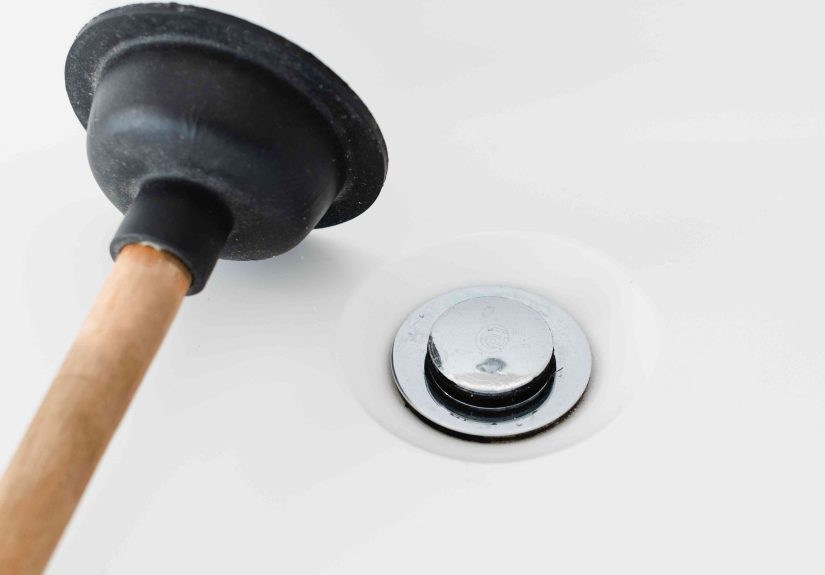
Place the cup of the plunger directly over the drain so it fully covers the opening. Press it down gently at first to push out trapped air and help the cup fill with water. Water creates a stronger plunging force than air, which is exactly what you want.
Step 2: Create a Tight Seal
Make sure the plunger sits flat and snug against the tub surface. If it keeps shifting, reset it until the seal feels solid. A weak seal means weak pressure, and weak pressure rarely wins against a stubborn clump of hair and soap sludge.
Step 3: Plunge With Firm, Controlled Strokes
Pump the handle up and down quickly for about 15 to 30 seconds. Use steady, forceful strokes rather than wild jabs. You are trying to move water back and forth through the drain line to shake the clog loose.
Keep the cup in contact with the tub as much as possible. If the plunger pops off every second, you are losing the seal and wasting effort. Think pressure, not drama.
Step 4: Lift and Check the Drain
After one round of plunging, pull the plunger away and see whether the water drains. If it begins to move, congratulations: the clog is probably breaking apart. Run more water to test it.
If the tub is still slow, repeat the process two or three more times. Many small clogs need several rounds before they fully give up.
Step 5: Flush the Drain
Once the water starts draining normally, run hot tap water for a minute or two to help move any remaining residue through the line. If you know your drain lines are older metal pipes, very hot water may help soften leftover soap buildup. If you know you have PVC plumbing, avoid pouring boiling water into the drain.
Step 6: Reassemble and Clean Up
Replace the stopper or overflow plate, wipe down the area, and wash the plunger. Yes, clean the plunger. Future You deserves better than grabbing a crusty one next time.
What If the Plunger Does Not Work?
A plunger is great for minor to moderate tub clogs, especially when the blockage is near the drain trap. But it is not magic. If you have plunged correctly several times and nothing changes, try the next sensible step instead of declaring war on the tub.
Try Manual Hair Removal
If the drain is still slow, remove the stopper and fish out hair or debris with a plastic drain tool or hooked wire. This is often the real solution when plunging improves the drain but does not fully clear it.
Use a Drain Snake
A hand snake or drain auger can reach deeper into the line than a plunger can. For many tubs, the easiest access point is through the overflow opening rather than straight down the drain. That route often gives you a cleaner shot at the clog.
Know When to Call a Plumber
Call a professional if:
- The tub still will not drain after plunging and snaking
- Other drains in the house are slow too
- Your toilet bubbles when the tub drains
- Water backs up in another fixture
- You suspect a clog deeper in the main line
Those signs suggest the problem may be beyond one bathtub drain.
Mistakes to Avoid
Using a Toilet Plunger as Your First Choice
A flange plunger is built for toilets. A cup plunger is better for tubs. Using the wrong plunger makes the job harder than it needs to be.
Forgetting the Overflow
If you do not seal the overflow, pressure escapes and plunging gets dramatically less effective. This single mistake explains a lot of failed DIY attempts.
Plunging After Using Chemical Drain Cleaner
Do not do this. If you already poured a chemical cleaner into the drain, plunging can splash that cleaner back onto your skin or eyes. That turns a clogged tub into a safety problem very quickly.
Assuming More Force Always Helps
Plunging hard is fine. Slamming the handle like you are fighting a sea monster is not. Controlled strokes work better and reduce the risk of making a mess or damaging old parts.
Ignoring a Partially Slow Drain
A tub that drains slowly is giving you a warning. Fixing a minor clog early is much easier than dealing with a fully blocked line after one dramatic shampoo session.
How to Prevent Bathtub Drain Clogs
Once your drain is clear, keep it that way with a few low-effort habits:
- Use a drain screen or hair catcher
- Clean the stopper regularly
- Remove visible hair before it disappears into the drain
- Flush the drain with hot tap water after especially product-heavy baths or showers
- Do not let soap residue and grooming debris build up for months like a science project
The simplest prevention trick is also the least exciting: catch the hair before it goes down the drain. It is not glamorous, but neither is standing in gray water.
Practical Examples of When a Plunger Works Best
Example 1: The Slow Drain That Got Worse Over Time
You notice the tub draining more slowly for a week or two. No strange smells. No backup in the sink. No toilet issues. That is prime plunger territory. The clog is likely a local buildup of hair and soap scum.
Example 2: The Drain Stops After Hair Washing Day
If the tub suddenly clogs after a heavy hair-washing routine, there is a good chance a loose wad of hair caught right under the stopper or near the trap. Remove what you can reach, then plunge.
Example 3: The Tub and Sink Are Both Acting Up
This is where you should be more cautious. A plunger may still help temporarily, but the issue could be farther down the branch line. If plunging one fixture causes gurgling in another, the plumbing is asking for a more serious conversation.
Real-World Experiences Homeowners Commonly Run Into
One of the most common experiences with a clogged bathtub drain is realizing the plunger was not the problem at allthe setup was. Plenty of homeowners try plunging for five minutes, decide it does not work, and only later discover they never sealed the overflow opening. Once that opening is blocked with a wet rag, the next round of plunging suddenly feels more powerful, and the water finally starts moving. It is a classic case of the method being right while the prep was wrong.
Another very typical experience is that the first “victory” is incomplete. The water starts draining faster, so you assume the clog is gone, but the tub slows down again the next day. That usually means the plunger loosened the blockage without fully removing it. Hair can shift, break apart, and settle again farther down. In real life, the best follow-up is often to remove the stopper, clean it thoroughly, and pull out whatever hair is still hanging around the drain opening. Think of the plunger as the thing that starts the breakup, and manual cleanup as the thing that ends the relationship.
Some people are surprised by how gross the process can be. A successful plunge may send dark water, soap residue, and bits of debris back into the tub. That is not a sign you failed. It often means you succeeded. The drain line is pushing the clog loose, and some of that material is coming back where you can clean it up and throw it away instead of leaving it inside the pipe.
There is also the experience of using the wrong plunger and fighting the tub for no reason. Many households only keep one plunger, and it is usually the toilet kind. People press it over the drain, it wobbles, the seal is poor, and the results are underwhelming. Switching to a standard cup-style sink-and-drain plunger often makes an immediate difference. The tool is simple, but the fit matters.
Homeowners also learn pretty quickly that “natural” remedies are not always as magical as the internet makes them sound. A fizzy baking soda and vinegar show might feel satisfying, but when you have standing water and a thick hair clog, many people find that mechanical methods work faster. A plunger or drain tool deals with the actual blockage instead of just adding another liquid to the situation.
Finally, there is the experience nobody loves but many people remember: discovering the tub clog was actually a warning sign for a bigger plumbing issue. If plunging the tub leads to bubbling in the toilet, backup in another drain, or no improvement at all after repeated proper attempts, that is when experienced homeowners stop trying random tricks and call a plumber. The smartest DIY skill is not just knowing how to fix a simple clog. It is knowing when the clog is no longer simple.
Final Thoughts
If you want the simplest answer to how to unclog a bathtub drain with a plunger, here it is: use a cup plunger, seal the overflow, add enough water to cover the cup, and plunge with firm, controlled strokes. That method solves a surprising number of bathtub clogs without chemicals, expensive tools, or a call for emergency plumbing reinforcements.
The real trick is doing the small details right. Good seal. Correct plunger. Overflow covered. Reasonable follow-up. Skip those steps, and the job becomes frustrating fast. Get them right, and you can often clear a bathtub drain in minutes.
And once the water is finally swirling down like it should, do yourself a favor: install a drain screen. Future bathtub you would like to stop standing in regret.