Table of Contents >> Show >> Hide
- Why Slow Cook Pork Ribs in the Oven?
- Best Types of Pork Ribs for the Oven
- What You Need
- How to Prep Pork Ribs Before They Go in the Oven
- A Simple Dry Rub for Oven Pork Ribs
- How to Slow Cook Pork Ribs in the Oven: Step by Step
- Should You Cook Ribs Covered or Uncovered?
- Best Sauce Options for Oven-Baked Pork Ribs
- Common Mistakes That Ruin Oven Ribs
- What to Serve with Slow Cooked Pork Ribs
- How to Store and Reheat Leftover Ribs
- Frequently Asked Questions
- The Bottom Line
- Kitchen Experiences: What Slow Cooking Pork Ribs in the Oven Really Feels Like
There are two kinds of people in this world: people who say you need a smoker for great ribs, and people who have discovered the magic of a low oven, a sheet of foil, and a free Saturday afternoon. This guide is for the second groupand for the first group once they get hungry enough.
If you want tender, juicy, deeply seasoned pork ribs with a glossy finish and meat that bites cleanly or practically slides off the bone, the oven can absolutely deliver. Slow cooking pork ribs in the oven works because gentle heat gives fat time to render and collagen time to break down. Translation: less toughness, more “who made these?” energy at the dinner table.
Below, you’ll learn exactly how to slow cook pork ribs in the oven, which ribs to buy, what temperature works best, when to add sauce, how to tell when they’re done, and the mistakes that turn a beautiful rack into a chewy disappointment. No smoker. No backyard drama. Just excellent ribs.
Why Slow Cook Pork Ribs in the Oven?
Oven-baked pork ribs are one of the most reliable ways to make a barbecue-style dinner at home. A steady oven temperature cooks the ribs evenly, foil helps trap moisture, and finishing them uncovered or under the broiler gives you that sticky, caramelized exterior everyone wants.
The biggest advantage is consistency. Grills can flare. Smokers can be fussy. But an oven? Your oven is a quiet overachiever. Once the ribs are seasoned and wrapped, it mostly minds its business while you do something important, like make slaw or stare proudly through the oven door.
Best Types of Pork Ribs for the Oven
Baby Back Ribs
Baby back ribs are smaller, leaner, and usually more tender. They cook faster and are a great choice for beginners. If you want a classic rack of ribs that fits more easily on a baking sheet and doesn’t take all day, this is the move.
Spare Ribs
Spare ribs are larger, meatier, and richer thanks to more fat and marbling. They take longer to cook, but the payoff is bold flavor and a more substantial bite.
St. Louis-Style Ribs
These are spare ribs that have been trimmed into a more rectangular shape. They cook more evenly, look neat on a platter, and are excellent for oven slow cooking.
If your goal is “easy and impressive,” go with baby back ribs. If your goal is “deep flavor and barbecue swagger,” choose spare ribs or St. Louis-style ribs.
What You Need
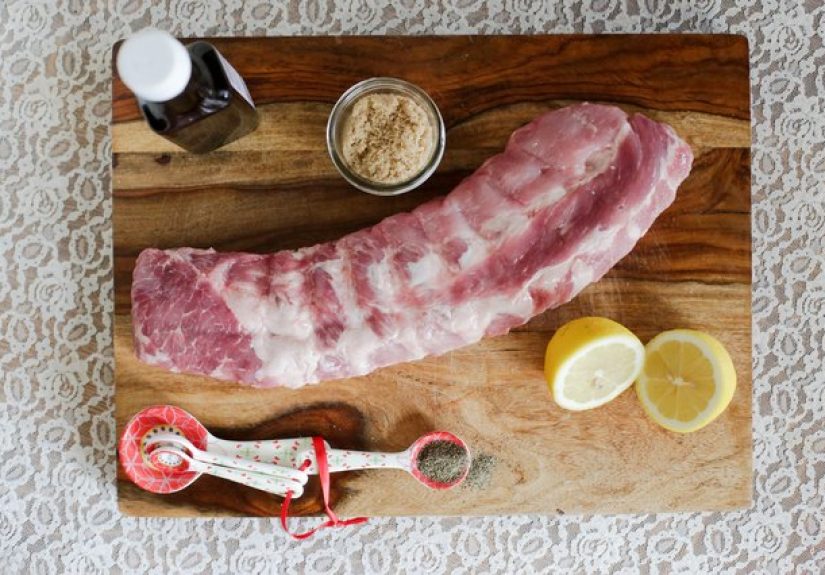
- 1 or 2 racks pork ribs
- Paper towels
- Small knife or butter knife
- Foil
- Rimmed baking sheet or roasting pan
- Dry rub
- Barbecue sauce, optional but strongly encouraged
- Tongs
- Instant-read thermometer, optional but helpful
How to Prep Pork Ribs Before They Go in the Oven
1. Remove the Membrane
On the bone side of the rack, there’s often a thin silver skin called the membrane. Slide a knife under it, grab it with a paper towel, and pull. It can be chewy, and removing it helps seasoning reach the meat more effectively. If this step makes you feel like you’re performing delicate surgery, ask the butcher to do it for you.
2. Pat the Ribs Dry
Dry meat holds seasoning better than damp meat. A few paper towels now save you from bland ribs later.
3. Season Generously
Ribs love flavor. A good dry rub usually includes brown sugar, paprika, garlic powder, onion powder, black pepper, kosher salt, and a little cayenne or chili powder. Sweet, smoky, salty, and a touch spicy is the sweet spot.
You can season the ribs right before baking, but if you have time, let the rub sit for 30 minutes to 2 hours in the refrigerator. Overnight also works well for deeper flavor.
A Simple Dry Rub for Oven Pork Ribs
Mix together:
- 2 tablespoons brown sugar
- 1 tablespoon smoked paprika
- 1 teaspoon kosher salt
- 1 teaspoon black pepper
- 1 teaspoon garlic powder
- 1 teaspoon onion powder
- 1/2 teaspoon dry mustard
- 1/4 to 1/2 teaspoon cayenne pepper
Rub it all over both sides of the ribs. Don’t be shy. Ribs are big, and they can handle seasoning.
How to Slow Cook Pork Ribs in the Oven: Step by Step
Step 1: Preheat the Oven
For true low-and-slow oven ribs, aim for 275°F to 300°F. This range gives you a nice balance between tenderness and reasonable cooking time. If you want the gentlest path to tender ribs, 275°F is a great default.
Step 2: Wrap the Ribs
Place the seasoned ribs on a large sheet of foil, meat-side up, and wrap tightly. If your foil seems flimsy, double-wrap it. You want to trap moisture without letting steam escape all over your oven. Put the foil packet on a rimmed baking sheet in case any juices leak.
Step 3: Bake Low and Slow
Here’s a practical timing guide:
| Type of Ribs | Temperature | Covered Time | Finish Time Uncovered |
|---|---|---|---|
| Baby back ribs | 275°F | 2 1/2 to 3 hours | 15 to 30 minutes |
| Baby back ribs | 300°F | 2 to 2 1/2 hours | 15 to 25 minutes |
| Spare ribs / St. Louis-style | 275°F | 3 to 3 1/2 hours | 15 to 30 minutes |
| Spare ribs / St. Louis-style | 300°F | 2 1/2 to 3 hours | 15 to 25 minutes |
Ovens vary, and rib racks vary even more. Thickness, fat content, and size all affect timing, so think of these as dependable ranges rather than commandments carved into barbecue stone.
Step 4: Check for Tenderness
Pork is considered safe at 145°F, but ribs are not at their best anywhere near that point. For tender ribs, you want the connective tissue to break down, which usually happens when the meat reaches a much higher internal temperature and feels tender throughout.
Here’s how to tell the ribs are ready:
- Bend test: Lift the rack with tongs. It should bend easily.
- Toothpick test: A toothpick or skewer should slide into the meat with very little resistance.
- Bone exposure: The meat often pulls back from the ends of the bones slightly.
- Thermometer: Around 190°F to 200°F usually signals tender ribs.
Step 5: Sauce and Finish
Once the ribs are tender, open the foil carefully. Steam will rush out like it’s offended you interrupted. Brush the ribs with barbecue sauce, then return them to the oven uncovered for 15 to 20 minutes at 350°F, or broil for 2 to 5 minutes if you want faster caramelization.
Add sauce at the end, not the beginning. Most barbecue sauces contain sugar, and sugar burns faster than your dinner guests forgive.
Should You Cook Ribs Covered or Uncovered?
For most of the cooking time, covered is best. Foil traps heat and moisture, helping the ribs tenderize without drying out. Uncover them only at the end so the surface can darken, the sauce can set, and the whole rack can look like it belongs in a dramatic food commercial.
Best Sauce Options for Oven-Baked Pork Ribs
You can use a store-bought barbecue sauce or make a quick one at home. A good rib sauce usually balances sweetness, tang, smoke, and spice. A simple version might combine ketchup, brown sugar, apple cider vinegar, Worcestershire sauce, smoked paprika, garlic powder, and black pepper.
If you want flavor variations, try these:
- Classic sweet-smoky: Ketchup, brown sugar, vinegar, smoked paprika
- Spicy: Add cayenne, chipotle, or hot sauce
- Tangy: Increase vinegar and mustard
- Kansas City-style vibe: Thick, sweet, tomato-based sauce
Common Mistakes That Ruin Oven Ribs
Cooking Too Hot
High heat cooks ribs fast, but not well. The outside dries before the interior has time to soften.
Skipping the Foil
Unless you’re following a very specific dry-roast method, foil makes low-and-slow ribs much more forgiving.
Saucing Too Early
Barbecue sauce should be the finishing act, not the opening number.
Undersalting the Rub
Ribs are rich and fatty. They need enough seasoning to taste balanced.
Pulling Them Too Soon
Ribs can be safe to eat before they’re pleasant to eat. Tenderness matters more than the first “technically done” reading.
What to Serve with Slow Cooked Pork Ribs
Ribs are rich, so they love side dishes that bring crunch, freshness, or contrast. Great options include:
- Creamy coleslaw
- Baked beans
- Cornbread
- Mac and cheese
- Potato salad
- Pickles
- Roasted corn
- Cucumber salad
If you’re feeding a crowd, ribs plus two cold sides and one warm side is an easy formula that feels generous without making you lose control of your kitchen.
How to Store and Reheat Leftover Ribs
Let the ribs cool slightly, then refrigerate them in a sealed container. They’re best within a few days. To reheat, place them in a baking dish with a splash of water or extra sauce, cover with foil, and warm in a 275°F to 300°F oven until heated through. This keeps them moist and prevents the sad fate of dry leftover ribs.
If you want to freeze them, wrap tightly and store for longer-term use. Thaw in the refrigerator before reheating for the best texture.
Frequently Asked Questions
Can you slow cook pork ribs in the oven without foil?
Yes, but foil makes the process easier and more consistent. Without it, you’ll need to watch moisture more carefully to avoid drying out the meat.
What is the best temperature to slow cook pork ribs in the oven?
For most home cooks, 275°F is the sweet spot. It’s low enough to tenderize the ribs gently but not so low that dinner turns into a time-management seminar.
How long do ribs take in the oven?
Baby back ribs usually take 2 to 3 hours covered, while spare ribs often need 3 to 3 1/2 hours. Add extra time for glazing and finishing.
Do ribs get more tender the longer you cook them?
Up to a point, yes. Low-and-slow cooking breaks down connective tissue. But leave them in forever and they can go from tender to mushy. You want soft, juicy meatnot pork confetti.
The Bottom Line
If you’ve been wondering how to slow cook pork ribs in the oven, the answer is wonderfully simple: season well, wrap tightly, cook low and slow, and finish with sauce at the end. That’s the formula. The rest is just detail, timing, and resisting the urge to open the oven every 12 minutes like a nervous stage parent.
Done right, oven-baked ribs are deeply flavorful, tender, and almost suspiciously easy. They’re ideal for weekends, game days, family dinners, and any night when you want food that feels generous and a little celebratory. No smoker required. Just patience, foil, and a healthy respect for barbecue sauce.
Kitchen Experiences: What Slow Cooking Pork Ribs in the Oven Really Feels Like
The first time many people make oven ribs, they expect something “good for the oven,” which is a polite phrase that usually means “not as good as the real thing.” Then the foil opens, the steam rises, and suddenly the kitchen smells like a backyard cookout that somehow wandered indoors. That moment alone is enough to convert skeptics.
One of the most common experiences with slow cooked pork ribs is realizing how little active work is involved. You season the racks, wrap them, slide them into the oven, and then life continues. There’s no hovering over hot coals, no arguing about vent positions, and no emergency runs for lighter fluid. It’s one of those rare recipes that feels impressive but behaves politely.
Another thing home cooks notice is how forgiving the method can be. A rack that looks too big, too plain, or slightly intimidating at the grocery store often turns out beautifully with a good rub and enough time. The oven smooths out a lot of anxiety. Even if your knife skills are average and your sauce comes from a bottle, low-and-slow cooking does a lot of the heavy lifting.
There’s also the issue of timing, which becomes less stressful after you’ve made ribs once or twice. The first round may feel uncertain. You’ll wonder if two and a half hours is too much, if the meat is done, or if the bones are judging you. But then you do the bend test, brush on the sauce, and watch the surface turn glossy and dark around the edges. After that, the fear tends to disappear and the confidence moves in.
People also learn quickly that ribs have a way of making dinner feel bigger than it is. Serve them on an ordinary weeknight, and suddenly everyone acts like you hosted a summer holiday. Put out slaw, cornbread, and pickles, and the table starts looking festive with almost no decorating required. Ribs create instant occasion energy.
Then there are the leftovers, which are often better than expected. Reheated gently, oven ribs hold up well, especially if you saved a little sauce. Some cooks even plan for leftovers on purpose, turning the extra meat into sandwiches, tacos, loaded baked potatoes, or a very confident lunch the next day.
Over time, most people develop a rib routine. Maybe they prefer baby backs for speed, or St. Louis-style ribs for flavor. Maybe they like a sweeter rub in winter and a peppery one in summer. Maybe they always broil at the end for a darker finish. That’s part of the fun. Slow cooking pork ribs in the oven starts as a method, but it often becomes a house specialty.
And that’s really the best experience of all: making something that looks restaurant-worthy, tastes deeply comforting, and turns your kitchen into the place everyone wants to be. Not bad for a sheet pan, some foil, and a little patience.