Table of Contents >> Show >> Hide
- What Happens During a Braces Appointment (No Plot Twists)
- The 15-Step Game Plan for the Day You Get Braces
- Step 1: Eat a Real Meal Before Your Appointment
- Step 2: Brush and Floss Like You’re Meeting Royalty
- Step 3: Wear Something Comfortable (You’ll Be Sitting a While)
- Step 4: Pack Lip BalmYes, Really
- Step 5: Bring a Quick “Braces Kit” for After
- Step 6: Know Your “Soft Food Plan” for Tonight and Tomorrow
- Step 7: Learn the Top Foods to Avoid (So You Don’t Break Anything on Day One)
- Step 8: Plan Your Comfort Strategy for Soreness
- Step 9: Master Orthodontic Wax Before You Need It
- Step 10: Use Warm Saltwater Rinses for Irritation
- Step 11: Clear Your Schedule for a Low-Key Evening
- Step 12: Expect a Short “Speech Adjustment” Phase
- Step 13: Take a Before Photo (For Motivation Later)
- Step 14: Ask These 5 Questions Before You Leave the Office
- Step 15: Do a Night-One Routine That Sets You Up to Win
- Bonus: Quick “If This Happens, Do That” Cheat Sheet
- Conclusion: A Calm Start Makes Braces Easier
- Personal Experiences: From the Braces Front Lines
The day you get braces is a little like launching a tiny construction project… inside your mouth. There will be
tools, new hardware, and a brief moment where you wonder if you can still pronounce the letter “S” without
sounding like a friendly snake.
Good news: getting braces isn’t a “white-knuckle” eventmore like an “odd pressure + new textures” event. With a
little planning, you can walk into your braces appointment calm, walk out prepared, and spend the rest of the day
feeling like a responsible adult who definitely has their life together (even if you’re sipping mashed potatoes
through a spoon later).
What Happens During a Braces Appointment (No Plot Twists)
Most braces placement visits follow a predictable rhythm: your teeth get cleaned and dried, brackets are bonded to
each tooth with dental adhesive, a wire is placed through the brackets, and everything is secured with tiny ties.
You’ll be in the chair for a while, but it’s more “open wide and chill” than “dramatic medical episode.”
It often doesn’t hurt during the appointment. Soreness typically shows up laterhours after, or the next day
because your teeth are starting to respond to gentle pressure. That’s why the smartest prep is about comfort,
food, and a few simple tools.
The 15-Step Game Plan for the Day You Get Braces
Step 1: Eat a Real Meal Before Your Appointment
Even if you’re not nervous, future-you will be grateful you ate something substantial beforehand. After braces go
on, your teeth may feel tender later in the day, and chewing might become a slow, thoughtful activity. Choose a
meal that’s filling but not super sticky or hard. Think: rice bowls, pasta, eggs, or a soft sandwich.
Step 2: Brush and Floss Like You’re Meeting Royalty
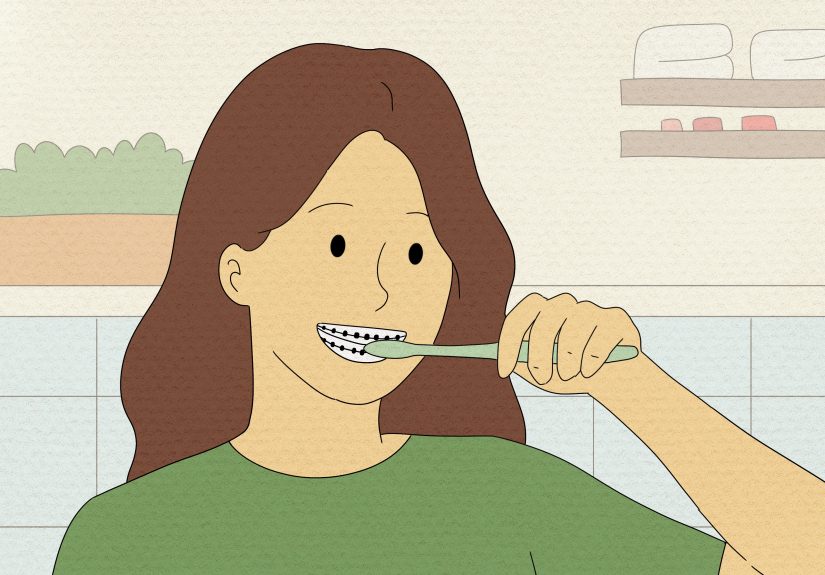
Braces make tiny hiding spots for food, which means starting clean is a power move. Brush well, floss carefully,
and don’t skip the gumline. You’re not trying to be perfectyou’re trying to reduce the chance of “surprise spinach
cameo” during your appointment.
Step 3: Wear Something Comfortable (You’ll Be Sitting a While)
Braces placement can take a bit. Pick comfortable clothes, avoid anything that makes you feel trapped, and bring a
hair tie if you have long hair (because nothing says “relaxing dental visit” like hair in your face while your
mouth is propped open).
Step 4: Pack Lip BalmYes, Really
Your lips can get dry during the appointment because your mouth is open and everything is being kept nice and dry
for bonding. A basic lip balm is a tiny item that makes a surprisingly big difference. Consider it your first
orthodontic life hack.
Step 5: Bring a Quick “Braces Kit” for After
Toss these into a small pouch: travel toothbrush, fluoride toothpaste, floss threaders or orthodontic flossers,
orthodontic wax, and a small mirror. If you’re in school or at work later, you’ll be able to clean up and handle
irritation without improvising with napkins and hope.
Step 6: Know Your “Soft Food Plan” for Tonight and Tomorrow
Don’t wait until you’re hungry and sore to figure out dinner. Stock your kitchen with easy options: yogurt, soup,
smoothies, mashed potatoes, scrambled eggs, oatmeal, mac and cheese, soft pasta, applesauce, and well-cooked
veggies. This isn’t foreverjust the gentle runway your mouth wants at the start.
Step 7: Learn the Top Foods to Avoid (So You Don’t Break Anything on Day One)
Braces and hard, crunchy, or sticky foods are not friends. Skip popcorn, nuts, hard candy, ice, caramel, taffy,
and chewing gum. Also be careful with foods that encourage “biting with the front teeth,” like whole apples or
crusty baguettes. Cut foods into small pieces and chew slowly.
Step 8: Plan Your Comfort Strategy for Soreness
Tender teeth are common at the start. Many people do well with cold drinks, a cool compress on the cheek, and soft
foods. If you use over-the-counter pain relief, follow label directions and your orthodontist’s guidance. (Some
practices prefer one option over anotherwhen in doubt, ask your orthodontist what they recommend for you.)
Step 9: Master Orthodontic Wax Before You Need It
Wax is your best friend when brackets rub your cheeks or lips. The trick: dry the area first (a tissue helps),
roll a small piece of wax into a ball, then press it over the irritating bracket or wire. It’s like putting a tiny
pillow on your bracesbecause your mouth deserves comfort furniture.
Step 10: Use Warm Saltwater Rinses for Irritation
If you develop sore spots, a warm saltwater rinse can feel soothing and help keep things clean. A common approach
is mixing a small amount of salt into warm water, swishing gently, then spitting. It’s simple, low-cost, and makes
you feel like someone who definitely owns a mortar and pestle (you do not need a mortar and pestle).
Step 11: Clear Your Schedule for a Low-Key Evening
If your day is packed with presentations, photos, or a first date where you plan to impress someone with flawless
diction… maybe reschedule. Many people feel fine, but it’s smart to keep your evening easy: soft dinner, good
hygiene, early bedtime. You’re giving your mouth time to adjust.
Step 12: Expect a Short “Speech Adjustment” Phase
Your mouth may feel bulky at first. You might lisp a little, especially if you get bite blocks or if your cheeks
are learning the new landscape. Read a few paragraphs out loud at home or practice your usual “thank you” and
“excuse me” lines. Your normal speech typically comes back faster than you think.
Step 13: Take a Before Photo (For Motivation Later)
This is the most underrated step. Take a clear “before” photo in good lighting. When you’re a few months in and
you feel like nothing is changing, that photo will be proof that things are moving in the right directioneven if
it’s subtle day-to-day.
Step 14: Ask These 5 Questions Before You Leave the Office
Don’t rely on memory when your mouth feels weird and you’re focused on not drooling. Ask:
“How do I clean around brackets best?” “Which foods are no-go for my specific braces?” “What should I do if a wire
pokes me?” “When should I call vs. wait for my next visit?” “Any product recommendations you like (wax, brushes,
water flosser, fluoride rinse)?”
Step 15: Do a Night-One Routine That Sets You Up to Win
Your first night is when good habits begin. Brush carefully around every bracket, clean between teeth (threader,
orthodontic floss, interdental brush, or water flosser), and check for irritation. If something pokes or feels
sharp, use wax and note the location so you can describe it clearly if you need to call.
Bonus: Quick “If This Happens, Do That” Cheat Sheet
- My cheek is getting rubbed raw: Wax + warm saltwater rinses + soft foods.
- A wire feels pokey: Wax first; call the orthodontist if it persists or worsens.
- A bracket feels loose: Don’t ignore itcontact your orthodontist for guidance.
- My teeth feel sore: Soft foods, cold drinks, gentle chewing, and rest.
- I’m hungry but everything feels hard: Smoothies, soup, eggs, oatmeal, mashed foods.
Conclusion: A Calm Start Makes Braces Easier
The day you get braces doesn’t need to be chaotic. If you show up fed, clean, and prepared with a simple braces
kit and a soft-food plan, you’ll handle the transition like a pro. The first day is mostly about getting used to
the new feeling, learning how to protect your cheeks, and setting a strong hygiene routine. After that, it becomes
part of lifelike carrying keys, charging your phone, and occasionally wondering why popcorn had to be so delicious.
Personal Experiences: From the Braces Front Lines
People love to ask, “What’s it like the day you get braces?” and the most honest answer is: surprisingly normal…
with a few oddly specific plot points.
First, there’s the “this is fine” phase. You leave the orthodontist thinking, “That didn’t hurt at all. I am built
different.” Then a few hours later your teeth send a group text that simply reads: “We are aware of the wire.”
That’s when you learn the real value of soft foods. Not because you can’t chew, but because chewing suddenly feels
like you’re doing reps at the gymslow, deliberate, and deeply personal.
Second, everyone has a wax origin story. You’ll hear seasoned braces-wearers say, “Use wax,” the way hikers say,
“Bring water.” The first time a bracket rubs your cheek, you’ll understand. Wax feels like magic because it turns
sharp and annoying into smooth and manageable. Pro tip from people who’ve been there: dry the bracket first, or
the wax will slide around like it’s trying to escape.
Third, the “new mouth geometry” experience is real. Your lips and cheeks have muscle memory, and braces politely
interrupt it. For a day or two, smiling might feel like you’re wearing a tiny keyboard on your teeth. Some people
notice a slight lisp; others notice they’re suddenly very aware of where their tongue lives. It’s temporary, and
practicing a little out loud at home helps you feel normal faster.
Fourth, you’ll likely become a better planner. Braces basically teach micro-preparedness: you keep a travel brush,
you look at menus differently, and you develop the ability to identify “sticky” foods at twenty paces. You’ll also
learn that cutting food into smaller pieces is not “extra,” it’s “efficient.” Biting into a whole apple feels bold
when you’re new to braces. Slicing it? That’s wisdom.
Finally, most people say the biggest surprise is how quickly braces become normal. Day one feels new. Day three
feels manageable. By week two, you’ll catch yourself forgetting they’re thereuntil you see your reflection and
remember you’re literally wearing progress.