Table of Contents >> Show >> Hide
- Why Fertility in a Male Dog Is Not Always Obvious
- Step 1: Make Sure He Is Old Enough and Mature Enough
- Step 2: Check the Basics You Can See and Feel
- Step 3: Schedule a Breeding Soundness Exam
- Step 4: Get a Proper Semen Evaluation, Not a Guess
- Step 5: Rule Out Infection, Prostate Disease, and Hidden Medical Problems
- Step 6: Look at Genetics, Breed-Specific Screening, and Breeding Management
- Common Signs a Male Dog May Have Fertility Problems
- Related Experiences and Practical Lessons From Real Breeding Situations
- Conclusion
If your male dog acts confident, handsome, and wildly convinced he is the star of the breeding program, that is cute. It is not, however, proof of fertility. In the canine world, enthusiasm and fertility are related the way owning a chef’s hat is related to making a perfect soufflé: they can appear together, but one does not guarantee the other.
Knowing whether a male dog is fertile takes more than one casual breeding attempt and a hopeful shrug. A truly fertile stud needs the right age, sound anatomy, healthy sperm, a normal prostate and reproductive tract, freedom from infectious disease, and the ability to actually breed or ejaculate successfully. Timing matters, management matters, and genetics matter too.
This guide breaks the process into six clear steps. Whether you are a breeder, owner, or someone trying to understand why a planned litter did not happen, these steps will help you separate guesswork from real answers.
Why Fertility in a Male Dog Is Not Always Obvious
A male dog can look perfectly healthy and still have subfertility or infertility. Some dogs have poor semen quality. Others have normal sperm but cannot breed effectively because of pain, anxiety, inexperience, poor footing, or ejaculatory problems. Some have hidden issues such as Brucella canis infection, orchitis, epididymitis, cryptorchidism, or prostate disease. And sometimes the dog gets blamed when the real problem is poor breeding timing or an issue with the female.
That is why fertility should be approached like an investigation, not a hunch. One failed breeding does not automatically mean the stud is infertile. One successful litter does not mean he will stay fertile forever, either.
Step 1: Make Sure He Is Old Enough and Mature Enough
The first checkpoint is age and physical maturity. Male dogs may be able to sire puppies surprisingly young, but “able to” and “most fertile” are not the same thing. Many males can produce sperm before they are fully mature, yet fertility is generally stronger once they are physically developed and hormonally steady.
In practical terms, a very young male may show interest in breeding but still deliver inconsistent semen quality or unreliable performance. Small breeds tend to mature sooner, while large and giant breeds often take longer. A dog that is technically pubertal may still be a reproductive rookie with awkward timing, inconsistent libido, or incomplete maturity.
What to look for in this step:
Signs maturity may be on his side
He has reached full body development for his breed, shows normal masculine behavior without being frantic or confused, and can tolerate a calm, structured breeding setup. He is generally healthiest when he is not too young and not already moving into the stage where age-related prostate or testicular issues become more likely.
Red flags
Very young age, obvious immaturity, clumsy breeding behavior, fearfulness, or total lack of ability to complete mating attempts. None of these prove infertility, but they do mean you should slow down before declaring him a proven stud.
Think of this step as checking whether your dog is truly “breeding age,” not merely “teenage and optimistic.”
Step 2: Check the Basics You Can See and Feel
Before you ever get to semen testing, look at the obvious mechanical pieces. Fertility depends on anatomy, comfort, and function. A male dog should have two descended testicles in the scrotum, and they should be reasonably symmetrical. The scrotum should not look inflamed, excessively irritated, or abnormal. The penis and prepuce should appear normal, with no discharge, pain, or visible injury.
This does not mean you should play backyard theriogenologist and diagnose your dog with a flashlight and misplaced confidence. It does mean you should notice anything unusual and tell your veterinarian.
What normal usually looks like
The testicles are both present in the scrotum, similar in size, and not painful when handled appropriately. The dog can move comfortably, mount without obvious pain, and does not seem distressed during breeding attempts. He is not slipping, yelping, refusing to mount, or quitting midway because his hips, spine, or rear legs hurt.
What should make you pause
One missing testicle, major asymmetry, pain, swelling, scrotal skin irritation, bloody discharge, pus, or obvious discomfort. A retained testicle is especially important. Bilateral cryptorchid males are sterile, and cryptorchidism is considered hereditary, so affected dogs should not be bred. Even unilateral cryptorchid dogs raise concerns for responsible breeding decisions.
Also pay attention to behavior. A dog may fail to breed not because he lacks sperm, but because he is anxious, inexperienced, on a slippery floor, facing a nonreceptive female, or dealing with pain. In other words, sometimes the problem is not the engine. It is the road, the driver, or the traffic.
Step 3: Schedule a Breeding Soundness Exam
If you want a real answer, this is the gold-standard move. A breeding soundness exam is the veterinary workup designed to assess a male’s reproductive potential. It is not just a quick glance at the dog followed by, “Yep, looks like a gentleman.” It usually includes a breeding history, full physical exam, semen evaluation, and disease screening.
This matters because no single measurement can reliably predict fertility. A dog may have decent sperm numbers but poor libido. Another may have excellent interest but poor motility. Another may look normal until testing reveals infection, inflammation, or prostate trouble.
What your veterinarian may review
Previous litters, failed breedings, age, medications, illness history, fever episodes, heat exposure, nutrition, supplements, recent travel, and frequency of semen collection or breeding. Even details that seem minor can matter. A fever, hot environmental conditions, obesity, or scrotal irritation can temporarily reduce sperm quality. Some medications and supplements can also interfere with semen quality.
Why this step is worth it
A breeding soundness exam gives you a professional baseline. It turns vague questions into measurable findings. If the dog is normal, great. If not, you learn whether the likely problem is testicular, hormonal, infectious, prostatic, behavioral, anatomical, or management-related.
For active stud dogs, this should not be a one-and-done event. Routine rechecks matter, especially when the dog is breeding regularly or if fertility seems to be slipping.
Step 4: Get a Proper Semen Evaluation, Not a Guess
This is the step most people mean when they ask if a male dog is fertile. Yes, semen testing is central. No, it is not the entire story.
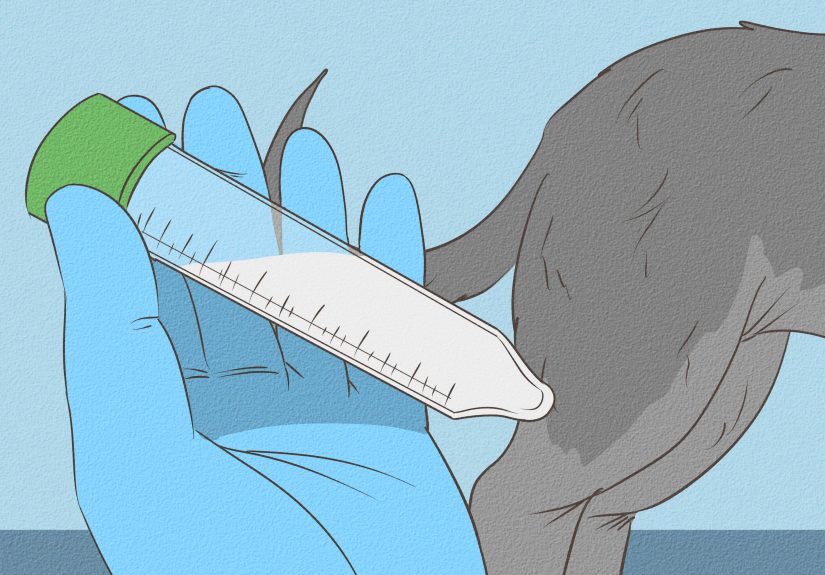
A proper canine semen analysis usually looks at sperm count, motility, morphology, volume, and overall sample quality. In simple English, the veterinarian wants to know how many sperm are present, how well they move, how normal they look, and whether the ejaculate appears contaminated with blood, urine, or inflammatory cells.
What vets are looking for
A healthy semen sample should have enough total sperm, strong forward motion, and a high percentage of normal-looking sperm cells. General reference values often used in clinical settings include strong progressive motility and a high proportion of normal morphology, but results must always be interpreted in context. Breed size, collection quality, age, stress, recent illness, and collection interval can all affect the numbers.
One semen test is not always enough
This point is huge. A dog should not be labeled subfertile or infertile based on a single collection. Semen can vary from collection to collection, and poor technique, incomplete collection, stress, or temporary health issues can skew the result. Repeat testing more than 48 hours apart is often recommended if there is any doubt.
What can temporarily hurt semen quality
Heat stress, fever, scrotal inflammation, obesity, infections, medications, and recent illness can all interfere with sperm production or function. Since sperm development in dogs takes time, the effects of a problem may show up weeks later and may also take weeks to improve. So if your stud had a fever last month and now his semen looks disappointing, that may not be a coincidence. Biology loves a delayed plot twist.
Also remember that collection frequency matters. Over-collecting or poor collection management can affect the numbers you see. Semen testing should be done by a veterinarian or reproduction service that knows how to collect and interpret canine samples correctly.
Step 5: Rule Out Infection, Prostate Disease, and Hidden Medical Problems
If semen quality is low or fertility is inconsistent, the next move is to look for causes. A surprising number of fertility problems are medical, not mystical.
Brucella canis testing is non-negotiable
Canine brucellosis is a serious reproductive disease and a major concern in breeding dogs. It can spread through reproductive fluids and can infect humans as well. In male dogs, it may cause epididymitis, testicular changes, abnormal sperm, and infertility. Worse, it is notoriously frustrating because there is no definitive cure and relapse is common. If a dog is positive, treatment generally does not restore breeding reliability, and that dog should not be used for breeding.
This is why many reproductive services require a current negative brucellosis test before working up or breeding a dog. If you skip this step, you are not being relaxed. You are being reckless.
Do not ignore the prostate
The prostate contributes to semen and ejaculation function. Benign prostatic hyperplasia is common in intact older male dogs and can be associated with hemospermia, preputial discharge, and infertility. Ultrasound is often used to evaluate the prostate, especially if your dog has blood in the semen, blood in the urine, or persistent discharge.
Other medical issues that can interfere
Orchitis, epididymitis, testicular atrophy, hormonal disorders, trauma, painful orthopedic disease, spinal discomfort, retrograde ejaculation, penile abnormalities, and systemic illness can all play a role. Your veterinarian may recommend blood work, urinalysis, ultrasound, semen culture, hormone testing, and other diagnostics depending on what the exam reveals.
The lesson here is simple: fertility problems are often symptoms of something bigger. Fix the dog, not just the breeding calendar.
Step 6: Look at Genetics, Breed-Specific Screening, and Breeding Management
A fertile dog is not automatically a dog that should be bred. Responsible breeding includes inherited health screening, breed-club recommendations, and a realistic look at whether the dog contributes positively to the breed.
Breed-specific health testing through programs such as OFA and CHIC helps breeders screen dogs for inherited conditions recommended by their breed’s parent club. This does not directly measure semen quality, but it absolutely matters when deciding whether a dog belongs in a breeding program.
Why genetics matters here
Some reproductive disorders are hereditary, and some broader health problems make breeding a bad idea even if the dog can physically sire puppies. A dog with cryptorchidism should not be bred. A dog with serious inherited health defects should not be handed a romantic soundtrack and called an asset to the gene pool.
Management matters more than people think
Even a decent stud can look subfertile if the female was not properly timed, if semen was handled poorly, if breeding happened in a stressful environment, or if the dog was used too heavily without proper recovery. For dogs with borderline fertility, careful ovulation timing in the female and thoughtful breeding management can improve success rates.
This is also where experience counts. The best breeders keep records. They note collection dates, semen quality, litter outcomes, illnesses, medications, and reproductive tests. That data becomes incredibly valuable over time.
Common Signs a Male Dog May Have Fertility Problems
Here are some clues that deserve a veterinary workup:
Repeated failure to produce pregnancy with fertile, well-timed females; poor libido or refusal to breed; pain during mating; one or both testicles missing from the scrotum; testicular swelling or shrinkage; blood in semen; abnormal penile or preputial discharge; chronic reproductive tract infections; or a sudden drop in conception rate after prior success.
None of these signs should trigger panic. They should trigger a phone call.
Related Experiences and Practical Lessons From Real Breeding Situations
In real breeding programs, the most common mistake is assuming fertility is either a yes-or-no trait that can be judged instantly. It usually is not. Many owners first become suspicious after one planned litter fails. They blame the male, the female, the moon phase, the weather, and possibly the dog’s attitude. But once a reproduction veterinarian gets involved, the story often becomes more interesting.
For example, a young male may have strong libido and normal anatomy but still be too immature to perform consistently. He may mount enthusiastically, lose focus, get anxious in a new environment, or fail to ejaculate properly. The owner thinks, “He’s clearly fertile, he just needs another chance.” Sometimes that is true. Sometimes a semen evaluation reveals low count, poor motility, or evidence that the collection was incomplete. The dog was not hopeless. He was just not truly ready.
Another common experience happens with proven studs that suddenly have a disappointing collection. Owners are shocked because the dog sired a healthy litter before. Then the history comes out: he had a fever three weeks ago, spent a hot stretch outdoors, gained weight, or was on medication after an illness. Suddenly the poor semen quality makes sense. Since sperm development takes time, today’s sample can reflect problems from weeks earlier. In these cases, patience, cooling the environment, correcting health issues, and retesting later often tell a more accurate story than one bad day in the breeding room.
Then there are the dogs that look normal until a veterinarian checks the prostate or tests for brucellosis. That is where many owners learn the hard truth that fertility is not just about sperm. A dog may have blood in the semen, occasional discharge, or subtle discomfort that gets brushed off as “one of those weird dog things.” In reality, prostate disease or infection may be quietly sabotaging fertility.
Behavior also fools people all the time. Some males fail to breed because the floor is slick, the room is unfamiliar, the female is not receptive, or the dog is in pain from his back or rear legs. Once the environment changes, the footing improves, or the pain is treated, the dog suddenly looks like a different animal. He was not infertile. He was uncomfortable and confused, which, honestly, is a terrible mood for romance in any species.
Perhaps the biggest lesson breeders learn over time is that good records beat good guesses. When they track semen evaluations, health testing, illnesses, collection intervals, and litter outcomes, patterns emerge. The “mystery infertility” dog sometimes turns out to be a seasonal underperformer, a dog sensitive to heat stress, or a male whose fertility declines when overused. Those details help owners make better choices and avoid repeating expensive mistakes.
The practical takeaway from all these experiences is simple: do not crown a stud after one litter, and do not condemn him after one miss. Test, retest when appropriate, manage carefully, and let evidence do the talking.
Conclusion
If you want to know whether a male dog is fertile, follow the six-step path instead of relying on hopeful folklore. Confirm maturity, check visible anatomy and comfort, schedule a breeding soundness exam, run a proper semen analysis, screen for infection and prostate problems, and review genetics plus breeding management. That combination gives you the clearest answer.
The best part is that this approach helps whether the verdict is good news or not-so-great news. If your dog is fertile, you have stronger proof and better planning. If he is subfertile or infertile, you can stop guessing, protect other dogs, and make smarter breeding decisions. Either way, you trade drama for data, which is usually the healthiest upgrade a breeding program can get.