Table of Contents >> Show >> Hide
- First, Figure Out What Kind of Baby Bird You Found
- Step-by-Step: What to Do When You Find a Baby Bird
- When a Baby Bird Needs Help Right Away
- What Not to Do
- If You Must Transport the Bird, Do It Safely
- How to Find the Right Help
- Common Situations People Get Wrong
- Quick FAQ
- Experiences and Lessons From Real-Life Baby Bird Situations
- Conclusion
Note: This article offers practical first-response guidance for common backyard situations. If a baby bird is bleeding, cold, weak, unable to stand, hit by a window, or had contact with a cat or dog, contact a licensed wildlife rehabilitator right away.
Finding a baby bird on the ground can turn even the calmest person into a full-blown emergency dispatcher. Suddenly, you are staring at a tiny puffball with a giant mouth, a suspicious haircut, and the emotional power to make you question every life choice you have ever made. Do you pick it up? Leave it alone? Build it a penthouse? Feed it worms with tweezers while whispering encouraging words?
Take a breath. In many cases, the baby bird does not need to be rescued. In fact, the best help is often surprisingly simple: identify what kind of young bird you are looking at, return it to the nest if appropriate, keep pets away, and call a wildlife rehabilitator only when the bird truly needs human intervention. Knowing the difference between “this bird needs help right now” and “this bird is doing awkward bird teenager things” can save the bird’s life.
This guide walks you through exactly what to do, what not to do, and how to avoid turning a rescue into an accidental disaster.
First, Figure Out What Kind of Baby Bird You Found
The most important step is identifying whether the bird is a nestling or a fledgling. That one detail changes everything.
Nestling: Needs More Help
A nestling is very young. It may be featherless, mostly naked, or only partly feathered with fluffy down. It usually cannot perch well, hop confidently, or move much on its own. If a nestling is on the ground, it usually does need help.
Fledgling: Usually Leave It Alone
A fledgling is older, mostly or fully feathered, and in the gloriously awkward stage between nest life and flight school. It may flutter, hop, perch low, and look helpless even when it is perfectly normal. Fledglings often spend time on the ground or in low shrubs while their parents continue feeding them nearby. Translation: the bird may look abandoned, but Mom and Dad are probably watching from a branch, judging your parking job.
Step-by-Step: What to Do When You Find a Baby Bird
1. Pause and Observe Before You Intervene
Do not rush in like a wildlife action hero. Stand back and observe from a distance. If the bird is feathered, alert, hopping, and not obviously injured, it may be a healthy fledgling. Parent birds often stay nearby and return when people and pets move away.
If the area is busy, keep children, cats, and dogs inside or away from the bird while you watch. Many “orphaned” birds are simply waiting for their parents to return once the giant humans stop hovering over them.
2. If It Is a Fledgling, Usually Leave It Where It Is
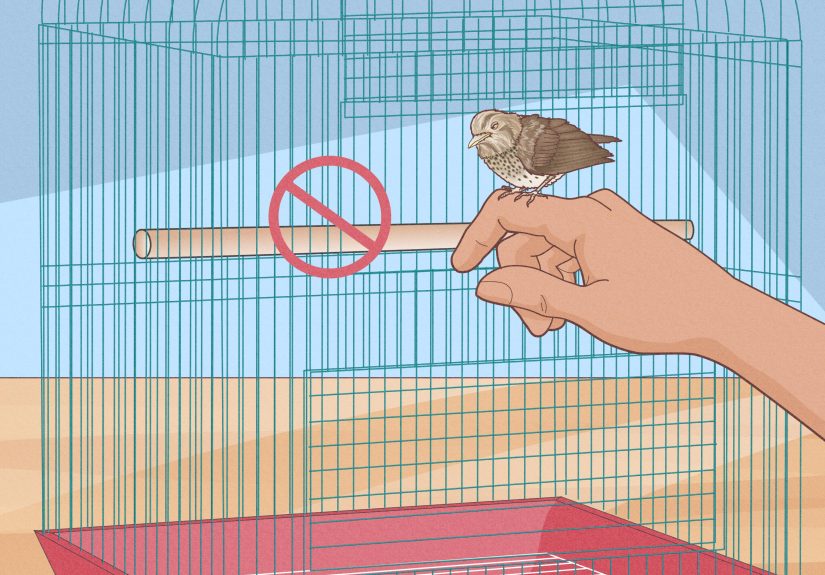
If the bird is fully feathered and can hop or grip your finger or a twig, it is likely a fledgling. In most cases, the right move is to leave it alone. You can gently move it a few feet to a nearby shrub, low branch, or safer patch of shade if it is in immediate danger from traffic, lawn equipment, or pets. Move it only a short distance so the parents can still find it easily.
Do not take a healthy fledgling inside “just for the night.” A fledgling belongs outside with its parents, not in a cardboard studio apartment on your kitchen counter.
3. If It Is a Nestling, Put It Back in the Nest
If the bird is naked, mostly featherless, or clearly too young to perch, try to return it to its original nest. And no, the parents will not reject it because you touched it. That old myth refuses to die, but it is still a myth.
Before picking up the bird, make sure the area is safe. Then gently cup the nestling in clean hands and place it back in the nest. If there are siblings in the nest, that is a good sign you have found the right home.
4. If You Cannot Find the Nest, Make a Substitute Nest
If the original nest is damaged or missing, you can make a simple substitute nest. Use a small container such as a berry basket, margarine tub, or small wicker basket. Add drainage holes if needed, then line it lightly with paper towels or soft cloth. Secure it in the same tree or shrub, as close as possible to where the original nest was located.
Then place the nestling inside and step away. Watch from a distance. Parents often return and continue caring for the baby as if nothing dramatic happened, which, in bird terms, is basically excellent customer service.
5. Wait and Watch Quietly
After returning a nestling to the nest or substitute nest, give the parents time to come back. Do not stand underneath the tree making eye contact with every sparrow in the neighborhood. Watch discreetly from inside a house or from far enough away that the adults feel safe approaching.
If no parent returns after a reasonable observation period and the baby appears weak, cold, or distressed, contact a licensed wildlife rehabilitator.
When a Baby Bird Needs Help Right Away
Some situations are not “wait and see.” A baby bird needs immediate professional help if you notice any of the following:
- Bleeding or visible wounds
- A drooping wing or leg that does not look normal
- Weakness, shivering, or the bird feels cold
- Eyes closed for long periods when the bird should be alert
- Trouble standing, hopping, or holding its head up
- Flies, maggots, or obvious signs of infection
- Contact with a cat or dog, even if the bird looks “fine”
- A window collision or other impact injury
- No sign of parents after you have returned a nestling to the nest or substitute nest
Cat contact is especially urgent. Even tiny punctures can become deadly for birds. A bird that hit a window may also have serious internal injuries even if it looks stunned rather than injured. In both cases, get the bird to a licensed wildlife rehabilitator as soon as possible.
What Not to Do
When people panic, they often do the wrong thing with great enthusiasm. Here are the biggest mistakes to avoid:
Do Not Feed the Bird
This is the big one. Do not give bread, milk, seeds, worms, rice, pet food, fruit, or a mystery mash you invented in a blender. Baby birds eat species-specific diets, and feeding the wrong food can do serious harm. Even “healthy” foods can choke a bird or damage its digestive system.
Do Not Give Water by Mouth
Never drip water into a baby bird’s mouth or use a syringe unless a licensed rehabilitator specifically tells you to. Birds can easily inhale liquid into their lungs. A well-meaning sip can become a life-threatening mistake.
Do Not Keep the Bird as a Pet
Raising a wild baby bird is not a cute side quest. It requires permits, specialized diets, proper housing, species knowledge, and careful conditioning so the bird can survive in the wild. In many places, keeping wild birds without the proper licenses is also illegal.
Do Not Overhandle It
Baby birds do not need cuddles. They need calm, warmth, and as little stress as possible. The more you handle the bird, the more you raise its stress level and the greater the risk of further injury.
If You Must Transport the Bird, Do It Safely
If a rehabilitator tells you to bring the bird in, or if the bird is clearly injured, place it in a small ventilated box or paper bag. A shoebox or similar container works well for many songbirds. Line the bottom with paper towels or a soft cloth. Avoid terry cloth towels because tiny toes and beaks can snag in the loops.
Keep the container in a warm, dark, quiet place. Warm means comfortably warm, not baked like a casserole. Keep the bird away from direct sun, loud noise, curious children, and household pets. Then transport it promptly.
If the bird is chilled, gentle warmth can help while you prepare for transport. Warmth should be nearby, not overwhelming. Think “cozy,” not “rotisserie.”
How to Find the Right Help
If the bird is injured or truly orphaned, contact a licensed wildlife rehabilitator. A veterinarian may also be able to advise you, especially if you need help locating a rehab center. Many state wildlife agencies maintain lists of licensed rehabilitators, and wildlife rescue directories can help you find the nearest option quickly.
When you call, be ready to describe:
- Whether the bird is a nestling or a fledgling
- Whether it is feathered
- Any signs of injury
- Whether it had contact with a cat or dog
- Whether you found or rebuilt the nest
- How long you observed for returning parents
The clearer your description, the faster the rehabilitator can tell you what to do next.
Common Situations People Get Wrong
“It Was on the Ground, So It Must Be Abandoned”
Not necessarily. A fledgling on the ground is often right where it is supposed to be.
“I Touched It, So the Parents Won’t Take It Back”
False. If it is a nestling, putting it back is usually the right move.
“I Gave It Bread and Water to Be Safe”
Unfortunately, that can be dangerous. Baby birds have specialized needs, and improper feeding causes many preventable deaths.
“I’ll Raise It Myself”
That plan sounds noble until feeding schedules hit every 15 to 30 minutes, the bird imprints on humans, and release becomes much harder or impossible. Professional care exists for a reason.
Quick FAQ
Can I move a fledgling out of my yard?
Only a short distance to nearby cover if it is in immediate danger. Moving it too far can separate it from its parents.
What if the nest is too high to reach?
Use a substitute nest secured nearby in the same tree or shrub, then monitor from a distance.
What if I found more than one baby bird?
If they are nestlings and uninjured, place them together back in the original or substitute nest. Siblings should stay together.
What if the baby bird is silent?
Silence does not always mean disaster, but a cold, quiet, weak bird needs urgent help. Warm it gently and call a rehabilitator.
Experiences and Lessons From Real-Life Baby Bird Situations
One of the most common stories goes like this: a family spots a small, fluffy robin on the lawn, assumes the bird fell out of the nest, and starts planning a rescue mission. The bird hops away, lands badly, looks confused, and everybody gets more worried. Then, after the yard is cleared and the dog is taken inside, an adult robin appears with a beak full of food. A few minutes later, another adult swoops in. What looked like abandonment was actually a normal fledgling lesson: “Welcome to the world, kid. It is windy, weird, and full of grass.”
Another classic situation happens after a storm. A person finds a featherless baby bird under a tree after heavy wind or rain. This time, the bird really does need help. The nest is tilted sideways or partially broken, and the chick is too young to regulate its temperature. In cases like that, returning the baby to the original nest or placing it in a substitute nest nearby often works beautifully. People are usually shocked by how fast the parents resume feeding once the baby is safe again. The lesson is simple: for nestlings, reunification is often far better than home care.
Then there is the “cat found it first” story, which tends to start with hope and end with urgency. The bird may not have obvious injuries, and someone naturally says, “Maybe it’s okay.” Unfortunately, cat-related injuries are exactly the kind that can look minor while actually being serious. This is why wildlife rehabilitators repeat the same advice over and over: if a bird had contact with a cat, get professional help fast. It is not overreacting. It is good triage.
Window collisions create another confusing scene. A young bird may be sitting upright, blinking, and still breathing, which makes people think it just needs a moment to collect itself. Sometimes that is true for a brief period, but birds that strike windows can have hidden trauma. Many rescuers remember the same mistake: waiting too long because the bird did not “look bad enough.” The better move is to place the bird in a dark, quiet box and call for professional guidance right away.
There are also the stories where people try to help with food. Someone offers bread, seeds, or water because that feels compassionate. The intention is good; the result can be terrible. Baby birds do not eat one universal bird menu, and forced feeding is risky. Experienced rehabilitators often say that the hardest part of their work is undoing damage caused by kind but incorrect first aid. The takeaway is not “do nothing.” It is “do the right thing first.”
Perhaps the most reassuring pattern in real-life rescues is this: the best outcomes usually come from calm, minimal intervention. Identify the bird. Return nestlings. Leave healthy fledglings with their parents. Protect the area from pets. Use a box only when the bird is injured or transport is necessary. Call licensed help when the situation crosses from awkward to urgent. In other words, baby bird rescue is less about becoming a backyard bird parent and more about becoming a smart, temporary safety manager.
Conclusion
If you find a baby bird that fell out of a nest, the right response depends on what kind of bird you are looking at and what condition it is in. A healthy fledgling often needs space, not rescue. A nestling usually needs to be returned to the nest or placed in a substitute nest nearby. An injured, cold, weak, cat-caught, or window-struck bird needs a licensed wildlife rehabilitator as soon as possible.
The golden rules are simple: stay calm, identify the bird, avoid feeding or watering it, keep pets away, and let the parents do their job whenever possible. Sometimes the kindest help is hands-on. Sometimes it is hands-off. The trick is knowing which moment is which.