Table of Contents >> Show >> Hide
- What Is Java Moss?
- Why Beginners Love Java Moss
- Ideal Tank Conditions for Java Moss
- How to Plant Java Moss
- How Fast Does Java Moss Grow?
- How to Care for Java Moss
- Common Java Moss Problems
- Best Uses for Java Moss in an Aquarium
- Beginner Tips for Long-Term Success
- Final Thoughts
- Beginner Experiences With Java Moss: What It Really Feels Like
- SEO Tags
If you have ever looked at a planted aquarium and thought, “Wow, that looks amazing, but I would absolutely destroy every green thing in there,” Java moss is here to restore your confidence. This humble little aquatic plant has become a beginner favorite for a reason: it is forgiving, flexible, attractive, and far less dramatic than some high-maintenance aquarium plants that behave like tiny underwater celebrities.
Java moss is one of those rare plants that does not demand a deluxe setup, a chemistry degree, or a daily pep talk. Give it decent water, reasonable light, and a place to hang out, and it will usually reward you by growing into a lush, soft green mass that makes your tank look more natural. It also happens to be useful. Fish fry hide in it, shrimp pick through it for food, and aquascapers use it to create carpets, moss walls, and little “trees” that make aquariums look like fantasy forests.
In this beginner’s guide, you will learn what Java moss is, how to plant it, how fast it grows, what care mistakes to avoid, and how to keep it looking good instead of turning into what can only be described as a damp green hairball with ambitions.
What Is Java Moss?
Java moss is a popular freshwater aquarium moss commonly sold under the name Taxiphyllum barbieri. In the aquarium trade, it has also long been associated with the older scientific name Vesicularia dubyana, which is part of the reason hobbyists sometimes sound like they are debating plant identity at a family reunion. For most beginners, the important part is simpler: it is a hardy moss used in freshwater aquariums for decoration, cover, and natural-looking aquascapes.
Unlike rooted plants, Java moss does not need to be planted in substrate. It anchors itself to surfaces with tiny holdfast-like structures and absorbs nutrients directly from the water column. That means you can tie it to driftwood, secure it to rock, attach it to mesh, wedge it into crevices, or even leave it floating. It is basically the “I can work with that” friend of the aquarium world.
Why Beginners Love Java Moss
1. It is extremely forgiving
Java moss tolerates a wide range of conditions. It can grow in low-tech tanks, nano tanks, shrimp tanks, and community tanks without requiring fancy equipment. If your goal is to keep a live plant alive while building confidence, this is a very smart place to start.
2. It does not need substrate
Many new aquarists get stuck on substrate choices, root tabs, and planting depth. Java moss skips a lot of that stress. You do not bury it. In fact, burying it is one of the easiest ways to annoy it. This moss is happiest when attached to hardscape or left loose where water can move around it.
3. It works in low light
Not every beginner wants to run high-powered lighting over a CO2-injected aquascape. Java moss can grow under low to moderate light, which makes it especially useful in simple planted tanks. Stronger light may speed growth, but it can also invite algae if the rest of the tank is not balanced.
4. Shrimp and baby fish adore it
If you keep cherry shrimp, Amano shrimp, guppies, tetras, or other species that appreciate shelter, Java moss is incredibly useful. It gives tiny creatures a place to hide, graze, and feel less like they are living in an empty glass box. Fry often shelter in dense moss while shrimp browse the biofilm that builds up on it.
5. It looks good in almost any style
Want a natural jungle vibe? Great. Want a moss-covered driftwood branch that looks like a tiny underwater tree? Also great. Want a soft green patch in a shrimp tank? Still great. Java moss is versatile enough to fit minimalist and wild layouts alike.
Ideal Tank Conditions for Java Moss
Water Temperature
Java moss handles a broad temperature range well, which is one reason it suits beginner setups. In most freshwater tropical aquariums, it grows happily in normal community tank temperatures. A practical target is the upper 60s to mid-80s Fahrenheit, with stability mattering more than chasing a “perfect” number.
pH and Hardness
This moss is not fussy about pH compared with many other aquarium plants. Most hobbyists do well keeping it in typical freshwater conditions, from slightly acidic to neutral or slightly alkaline water. Again, steady parameters beat constant tinkering. Java moss does not need you to reinvent the water every weekend.
Lighting
Low to medium light is ideal for beginners. Under low light, Java moss usually grows more slowly and can stay tidy longer. Under brighter light, growth can speed up, but so can algae. If your light is strong and your tank is young, the moss may become an algae magnet before it becomes a masterpiece.
CO2 and Fertilizer
Good news: Java moss does not require injected CO2. It can grow just fine in a low-tech aquarium. Liquid fertilizer is optional, not mandatory. If you use fertilizer and stable lighting, you may see faster, fuller growth. If you skip both, Java moss generally does not throw a tantrum; it simply grows more slowly.
Water Flow
Gentle to moderate flow is helpful because it keeps debris from settling deep inside the moss. In stagnant areas, Java moss can collect fish waste, uneaten food, and general tank gunk. And while “natural detritus pocket” sounds fancy, it usually looks messy and can hurt the plant over time.
How to Plant Java Moss
One of the best things about Java moss is that planting it is not really “planting” in the usual sense. Think attaching, arranging, and encouraging.
Method 1: Tie It to Driftwood or Rock
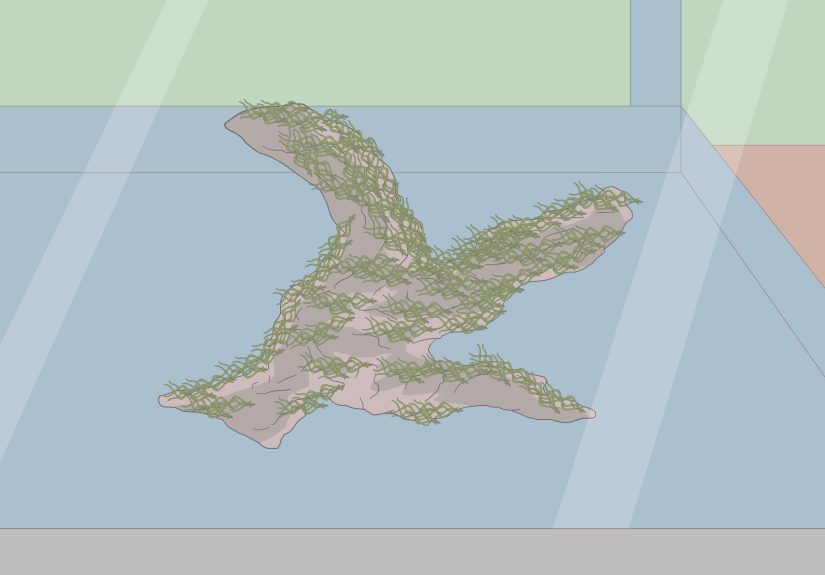
This is the classic approach. Take a small clump of moss and spread it thinly over driftwood or a porous rock. Tie it in place with cotton thread, fishing line, or another aquarium-safe material. Over time, the moss will attach itself. Once that happens, the thread matters less and the plant takes over.
Method 2: Use Aquarium-Safe Glue
A tiny dab of aquarium-safe cyanoacrylate gel can secure Java moss to wood, stone, or décor. Use only a small amount. You are attaching a plant, not building a submarine. Too much glue can make the hardscape look unnatural and may trap too much of the moss in one spot.
Method 3: Create a Carpet or Moss Wall
For a moss carpet, hobbyists often sandwich a thin layer of Java moss between mesh pieces or secure it onto a grid. For a moss wall, that same idea is applied vertically. This takes patience, trimming, and regular maintenance, but it can look fantastic once filled in.
Method 4: Let It Float
Yes, you can simply let Java moss float. This is especially useful in breeding or shrimp tanks where cover matters more than aquascaping precision. Floating moss is functional, but if left unchecked, it can turn into a wandering green tumbleweed that drifts wherever the current says so.
How Fast Does Java Moss Grow?
Java moss is usually considered a slow to moderate grower. It will not explode across your tank overnight, but it also will not sit there forever doing absolutely nothing. Under low light and no CO2, growth tends to be steady but modest. Under stronger light, good nutrients, and stable conditions, it can fill in more quickly.
If you want faster growth, focus on consistency rather than forcing it. Stable water, a sensible light schedule, decent tank maintenance, and patience will do more than constantly moving it around or changing half the setup every few days.
How to Care for Java Moss
Trim It Regularly
Trimming is the big secret to attractive Java moss. If left alone for too long, it can become dense, stringy, messy, and prone to collecting debris. A light trim keeps it compact, lets light reach deeper growth, and improves water movement through the moss.
Use aquarium scissors and trim gently. Keep a net nearby because loose bits love to drift around the tank and attach themselves elsewhere. Java moss clippings are like glitter: one minute you are cleaning up, and the next minute you are finding them in three entirely unrelated corners.
Keep It Clean
Because Java moss is so fine-textured, it catches debris easily. During water changes, use a turkey baster, gentle siphon, or your fingers to lightly shake out trapped gunk. If the moss is attached to décor, you can sometimes remove the entire piece and swish it in old tank water to clean it.
Watch the Light Schedule
Too much light can encourage algae, especially in new tanks. A consistent, moderate photo period is usually better than blasting the tank all day. If you notice algae beginning to coat the moss, reducing light duration and improving overall tank balance usually helps more than panicking dramatically in front of the aquarium.
Avoid Sudden Changes
Java moss is hardy, but it still appreciates stability. Sudden swings in temperature, lighting, or water chemistry can cause browning, melting, or poor growth. The beginner-friendly lesson here is simple: do not keep changing everything at once and then blame the moss for being “confusing.”
Common Java Moss Problems
Algae Taking Over
This is the most common issue. Moss has a lot of surface area, which makes it easy for algae to cling to it. If algae becomes embedded, removing it without destroying the moss can be frustrating. Prevention works better than rescue: keep lighting reasonable, avoid overfeeding, and maintain the tank consistently.
Browning or Dull Color
Java moss may brown if it is adjusting to a new tank, smothered by debris, deprived of light, or stressed by unstable parameters. Trim away damaged parts, clean it up, and give it a little time. New growth often comes in brighter green than older sections.
Messy Overgrowth
A neglected clump can become thick on the outside and weak in the center. When light and flow cannot reach inner growth, old material may die off. Regular trimming prevents the famous “moss blob” stage, which is charming only if your aquascaping goal is “swamp after a windstorm.”
Best Uses for Java Moss in an Aquarium
Shrimp Tanks
Java moss is practically a celebrity in shrimp tanks. Shrimp graze on the biofilm that forms on it, hide in it, and generally act like you just installed an all-you-can-eat buffet plus apartment complex.
Breeding Tanks
Many fish breeders use Java moss as cover for eggs and fry. Dense growth gives babies a better chance of avoiding hungry adults and finding micro-food in the tank.
Nano Aquariums
Because it can be attached to hardscape and kept in small clumps, Java moss works beautifully in compact setups. It adds texture without demanding deep substrate or heavy equipment.
Aquascaping Accents
Use it to soften wood and stone, create aged-looking hardscape, or build a tiny underwater forest. A little goes a long way, especially when placed intentionally instead of dumped in like a bag of salad.
Beginner Tips for Long-Term Success
- Start with a small, healthy portion and quarantine or inspect it carefully before adding it to your tank.
- Do not bury Java moss in substrate.
- Attach it thinly instead of piling it on in a giant wad.
- Keep lighting moderate, especially in new tanks.
- Trim it before it becomes too dense.
- During water changes, clean trapped debris out of the moss.
- Be patient; growth is usually steady, not explosive.
Final Thoughts
If you are new to live aquarium plants, Java moss is one of the easiest and smartest places to begin. It is adaptable, useful, and visually rewarding. It does not need substrate, usually does not need CO2, works in low-light tanks, and helps make an aquarium feel more alive. The key is not perfection. The key is steady care: reasonable light, clean water, occasional trimming, and enough patience to let the moss settle in and do its thing.
In other words, Java moss is not just beginner-friendly. It is beginner-encouraging. It gives you a real chance to succeed early, which is exactly what most new aquarists need. And once you see shrimp crawling through it or fry hiding in it, you may start wondering why you waited so long to add it in the first place.
Beginner Experiences With Java Moss: What It Really Feels Like
For many beginners, the first experience with Java moss is surprisingly unglamorous. You buy a small clump, bring it home, and think, “This is it?” It may look scruffy, loose, or less impressive than the gorgeous aquascape photos online. Then you drop it into the tank, attach it to a rock or bit of driftwood, and wait for magic. The funny part is that Java moss rarely performs on command. It does not rush to impress you. It settles in quietly, grows a little at a time, and makes you earn your aquarium confidence the old-fashioned way.
A common beginner experience is underestimating how useful this plant becomes after the first few weeks. At first, it can seem like decoration. Then you notice your shrimp spending all day in it, your shy fish using it as cover, or your tank simply looking softer and more natural because of it. Many new hobbyists realize that Java moss changes the feel of the aquarium even before it turns into a showpiece. It makes the tank look less sterile and more alive.
Another typical beginner lesson is discovering that “easy plant” does not mean “zero maintenance plant.” Java moss is forgiving, but if you ignore it forever, it can get messy fast. A lot of people experience that moment where their neat little patch suddenly becomes a puffball, then a clump, then a green tumbleweed collecting every speck of debris in the zip code. That is usually when trimming becomes less of a suggestion and more of a lifestyle choice.
There is also the very real beginner experience of learning how much placement matters. Put Java moss in a nice balanced spot with decent circulation, and it tends to stay cleaner and grow more evenly. Stuff it into a dead corner with too much light and no flow, and it may start collecting algae and mulm like it is entering a competitive event. This is actually encouraging, because it teaches beginners an important aquarium lesson: success often comes from observation and small adjustments, not expensive gear.
One of the most rewarding experiences comes when beginners start using Java moss creatively. The first time you tie it to driftwood and it begins to look like a miniature underwater tree, you suddenly understand why planted tank people get a little obsessed. The first time fish fry disappear into it and then reappear healthy, you understand why breeders love it. The first time shrimp pick through it all day like tiny gardeners on a mission, you realize this plant is doing more than just sitting there looking green.
In the end, Java moss often becomes the plant that teaches beginners how planted aquariums actually work. It teaches patience, because growth takes time. It teaches restraint, because too much light can backfire. It teaches maintenance, because trimming matters. And most importantly, it teaches confidence. Once you grow Java moss successfully, the planted tank hobby feels less intimidating. You stop thinking, “I hope I do not kill this,” and start thinking, “Okay, maybe I can grow more plants after all.” That is a pretty great gift from one scrappy little moss.