Table of Contents >> Show >> Hide
- Before You Cook: Picking, Prepping, and Not Accidentally Sogging Them Out
- At-a-Glance: 7 Ways to Cook Bell Peppers
- 1) Quick Sauté: Crisp-Tender Peppers in Under 10 Minutes
- 2) Sheet-Pan Roast: Sweet, Caramelized Peppers Without Babysitting
- 3) Broil to Char + Peel: The “Silky Roasted Pepper” Method
- 4) Grill: Charred Edges and Summer Energy
- 5) Open-Flame Char on a Gas Burner: Restaurant-Style Smokiness
- 6) Air Fry: Blistered Peppers, Fast (and Weirdly Fun)
- 7) Stuff & Bake: Dinner That Comes in Its Own Edible Bowl
- Flavor Playbook: Seasoning Combos That Make Peppers the Star
- FAQ: Bell Pepper Problems (and the Fixes)
- Real-World Pepper Experiences: What You Learn After Cooking Them 7 Ways (and Eating the Evidence)
- Conclusion
Bell peppers are the rare ingredient that can be crunchy, silky, smoky, sweet, and “wait, did I just eat an entire pepper?”all in the same week.
If you’ve ever bought a colorful bag and then watched it wilt in the crisper like a sad balloon animal, this guide is your rescue plan.
Below are seven genuinely different ways to cook bell peppers (not seven ways to “kind of warm them near a stove”).
You’ll get times, temperatures, texture targets, and flavor ideasso you can stop guessing and start cooking peppers like you meant it.
Before You Cook: Picking, Prepping, and Not Accidentally Sogging Them Out
Choose the right pepper for the job
- Red, orange, yellow: sweeter and fruitiergreat for roasting, broiling, grilling, and stuffing.
- Green: a little more bitter and grassyexcellent for sautéing, fajitas, and dishes where you want crunch.
Wash smarter, not earlier
Rinse peppers under cool running water and rub the surface (a soft brush helps for dirt in creases). Then dry well.
If you wash peppers long before cooking, trapped moisture can speed up spoilageso either wash right before use or dry thoroughly before storing.
How to store peppers (so you actually get to cook them)
- Whole peppers: keep in the fridge crisper; they can stay fresh for up to about two weeks when stored well.
- Cut peppers: store airtight with a paper towel to absorb moisture; plan to use within a few days.
- Cooked peppers: refrigerate airtight and use within a few days for best quality.
- Freeze for later: slice, freeze in a single layer, then bagfuture-you will feel oddly loved.
Cutting shapes that match your method
- Strips: fastest sautéing and stir-fries.
- Chunks: sheet-pan roasting, kebabs, and hearty sauces.
- Halves: broiling/roasting for peeling; also great for stuffing.
- Whole: best for open-flame charring and deep smoky flavor.
At-a-Glance: 7 Ways to Cook Bell Peppers
- Quick Sauté (weeknight speed, crisp-tender) – 5–10 minutes.
- Sheet-Pan Roast (caramelized edges) – 425°F for 20–25 minutes.
- Broil to Char + Peel (silky, smoky, skin off) – ~10 minutes broil + steam.
- Grill (summer smoke, bold flavor) – slices 6–12 minutes; whole 20–25 minutes.
- Open-Flame Char (maximum smokiness) – until blackened + 20 minutes steam.
- Air Fry (fast blistered “roast” vibe) – 400°F in about 20 minutes total + steam.
- Stuff & Bake (dinner-in-a-pepper) – ~45 minutes + optional cheese finish.
1) Quick Sauté: Crisp-Tender Peppers in Under 10 Minutes
Best for
Fajitas, stir-fries, pasta toss-ins, omelets, sandwiches, and “I forgot to cook vegetables today” moments.
How to do it
- Slice peppers into strips (¼-inch thick is a sweet spot).
- Heat a skillet over medium-high. Add a tablespoon of oil.
- Add peppers (and onions if you want). Spread them out so they actually touch the pan.
- Cook 5–8 minutes, stirring occasionally, until softened and browned in spots.
- Season at the end with salt, pepper, and your chosen flavor path.
Texture targets
- Crisp-tender: 5–6 minutes (still a little snap).
- Soft + sweet: 8–10 minutes (more slump, less crunch).
Pro tips
- Don’t overcrowd: steam = soggy. Cook in batches if needed.
- Want fajita vibes? add cumin + chili powder + lime at the end.
- Want Italian vibes? add garlic + oregano + a splash of vinegar.
Optional upgrade: If you keep cooking low and slow with olive oil, onions, and a little tomato, you can turn sautéed peppers into a jammy, spoonable topping that tastes like it belongs on crusty bread (and it does).
2) Sheet-Pan Roast: Sweet, Caramelized Peppers Without Babysitting
Best for
Meal prep, bowls, tacos, sausage-and-peppers, salads, and “I want vegetables, but I also want to sit down.”
How to do it
- Heat oven to 425°F.
- Slice peppers (strips or chunks). Toss with oil, salt, and pepper.
- Spread in a single layer on a rimmed baking sheet.
- Roast 20–25 minutes, until tender and charred in spots.
Make it taste like a real plan
- Smoky-sweet: paprika + garlic powder + a pinch of sugar (yes, really).
- Mediterranean: oregano + lemon zest + feta after roasting.
- Simple chef move: finish with a drizzle of good olive oil and flaky salt.
Common mishaps
- Watery peppers: too crowded. Give them space.
- No browning: your oven may run coolroast a little longer or use the top rack.
3) Broil to Char + Peel: The “Silky Roasted Pepper” Method
Best for
Sandwiches, salads, pasta, dips, and any time you want peppers that taste smoky and luxurious.
How to do it
- Set broiler to high. Line a sheet pan with foil (cleanup insurance).
- Place whole peppers on the pan.
- Broil, turning occasionally, until charred all over and tenderabout 10 minutes total.
- Transfer peppers to a bowl, cover tightly, and steam about 20 minutes (this makes peeling easy).
- Rub off skins with paper towels, then stem, seed, and slice.
Pro tips
- Steam is not optional: it’s the secret handshake that makes skins slip off.
- Skip rinsing peeled peppers: you’ll wash off flavor. Wipe instead.
- Marinate for magic: olive oil + vinegar/lemon + garlic + salt = instant upgrade.
4) Grill: Charred Edges and Summer Energy
Best for
Cookouts, kebabs, fajitas, burgers, and any meal that deserves a little smoke.
Two great approaches
A) Grill pepper slices (fast)
- Cut peppers into wide strips (so they don’t fall through the grates like tiny tragic rafts).
- Toss with oil, salt, pepper.
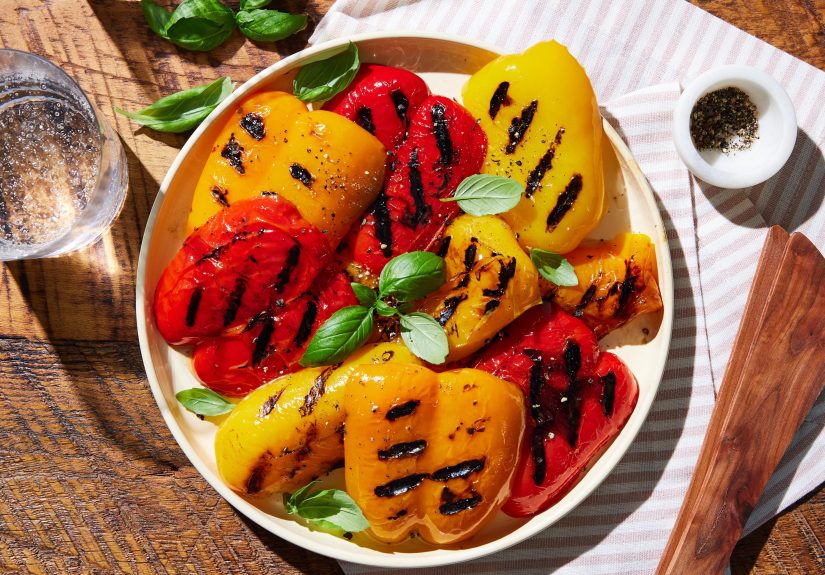
- Grill over medium-high heat until charred and tender, turning once or twice (typically 6–12 minutes, depending on thickness).
B) Grill whole peppers (maximum smoky)
- Heat grill to medium-high (around 400–450°F).
- Rub whole peppers lightly with oil.
- Grill covered, turning every few minutes, until skin is completely blackenedabout 20–25 minutes.
- Steam covered, then peel for silky grilled peppers.
Pro tips
- Covered grilling helps cook peppers through, not just scorch the outside.
- Pair with acidity: grilled peppers love lemon, vinegar, salsa verde, or chimichurri.
5) Open-Flame Char on a Gas Burner: Restaurant-Style Smokiness
Best for
When you want serious smoky flavor without firing up the whole oven or grill.
How to do it
- Place whole peppers directly over a gas flame (medium to medium-high).
- Turn with tongs until the skin is blackened all over.
- Transfer to a bowl, cover tightly, and steam 20 minutes.
- Peel, seed, and slice.
Safety + sanity notes
- Ventilation matters: open a window or run the hood fan.
- Don’t leave it unattended: peppers go from “nicely charred” to “carbon sculpture” quickly.
6) Air Fry: Blistered Peppers, Fast (and Weirdly Fun)
Best for
Small batches, quick sides, and anyone who loves “roasted” flavor without waiting for an oven to preheat.
How to do it
- Preheat air fryer to 400°F if your model recommends it.
- Place whole peppers in the basket (don’t cram them).
- Air fry 7–10 minutes, then flip and cook about 10 minutes more, until blistered.
- Cover and steam about 15 minutes, then peel and seed.
Pro tips
- Whole peppers blister better than tiny strips (which can dry out).
- Steam after air frying for easy peeling and a softer, silky texture.
7) Stuff & Bake: Dinner That Comes in Its Own Edible Bowl
Best for
Meal prep, family dinners, and anyone who wants “a complete meal” without three separate pots.
How to do it (classic approach)
- Heat oven to 350°F.
- Halve peppers (or cut tops off for “cups”) and remove seeds.
- Fill with cooked rice/grains + seasoned protein (or beans) + sauce.
- Cover with foil and bake until peppers are tender, about 45 minutes total.
- For the cheesy finish: bake covered first, then uncover and melt cheese near the end (about 10 minutes extra works beautifully).
How to avoid crunchy peppers
- Par-cook option: briefly soften peppers before baking (a quick boil for a few minutes can help).
- Don’t under-sauce: a little moisture in the baking dish helps the peppers soften.
Fun stuffing combinations
- Taco night: black beans + corn + salsa + cumin + cheddar.
- Mediterranean: ground turkey or lentils + tomatoes + oregano + feta.
- Italian-ish: sausage + marinara + mozzarella + basil.
Flavor Playbook: Seasoning Combos That Make Peppers the Star
Peppers are naturally sweet, which means they love smoke, salt, acid, and spice. If your peppers taste “fine,” they probably need one of these:
- Acid: lemon juice, vinegar, pickled jalapeño brine (tiny splash, big impact).
- Heat: chili flakes, cayenne, hot sauce, harissa.
- Umami: soy sauce, miso, Parmesan, anchovy paste (just a dab), tomato paste.
- Fresh finish: herbs, scallions, cilantro, basil, parsley.
FAQ: Bell Pepper Problems (and the Fixes)
Why are my peppers watery?
Overcrowding is the main culprit. Peppers release water as they cook; if that water can’t evaporate, you end up steaming.
Use a bigger pan, cook in batches, or roast on a roomy sheet pan.
Do I have to peel peppers?
Only if you want the silky texture (broiled, grilled, open-flame charred, air-fried “roasted” peppers). For sautéed or sheet-pan roasted peppers, peeling is optional.
Can I cook peppers ahead of time?
Absolutely. Roasted/peeled peppers are excellent chilled or room temp, and cooked peppers keep well in the fridge for a few days.
They also freeze nicely (just expect them to be softer after thawingperfect for cooked dishes).
Real-World Pepper Experiences: What You Learn After Cooking Them 7 Ways (and Eating the Evidence)
The first time you cook bell peppers, you think the goal is “make them edible.” The tenth time, you realize the real goal is “make them the exact texture I’m craving.”
That’s the sneaky superpower of peppers: they’re basically a texture dial. Crisp? Soft? Jammy? Smoky? They can do all of itif you treat them like a technique, not just a vegetable.
One of the most common “pepper moments” is discovering that space equals flavor. When peppers are crowded in a pan, they sweat.
When they have room, they brown. Browning turns sweet pepper sugars into deeper, toastier flavors. Suddenly, a basic skillet of peppers and onions tastes like a real meal foundation,
not just a colorful garnish trying its best.
Another experience you’ll probably have: realizing that the last 30 seconds matter. Peppers can taste flat right up until the moment you add something bright.
A squeeze of lime after sautéing. A splash of vinegar on roasted strips. A spoon of salsa verde on grilled peppers. That little hit of acid doesn’t just add sournessit makes the sweetness pop.
It’s like turning on the lights in a room you were already standing in.
If you try the broil-and-peel or open-flame char method, you’ll learn a life lesson disguised as dinner: steam is patience that pays rent.
Covering hot peppers and letting them steam feels like doing nothing, which is emotionally difficult for many of us.
But those 15–20 minutes are the difference between “peeling is annoying and I hate cooking” and “wow, the skins just slide off, I am basically a professional.”
Stuffed peppers teach a different kind of wisdom: peppers are containers, but they are also ingredients. If the filling is perfectly seasoned but the pepper tastes bland,
the whole thing feels disconnected. The fix is simple: season the pepper itself (salt inside the cavities), and make sure there’s enough sauce or moisture in the baking dish
so the pepper softens and absorbs flavor as it cooks. When it works, the pepper becomes part of the stuffingsweet, tender, and undeniably necessary.
Air frying peppers often creates a funny, modern-kitchen experience: you expect “roasted,” but what you get is “roasted-adjacent in a shockingly short amount of time.”
The edges blister, the skin loosens, and you get that smoky-sweet vibe without heating your whole kitchen. It’s not identical to a grill, but it scratches the same itch
especially when you finish with olive oil and a sprinkle of salt like you’re plating at a tiny restaurant that only serves things you actually want to eat.
Finally, after you’ve cooked peppers a bunch of ways, you’ll notice something that feels obvious in hindsight: color is a flavor choice.
Green peppers bring crunch and a savory edge; red and orange peppers bring sweetness that borders on fruity when roasted. Mixing colors isn’t just prettyit’s balance.
And once you realize that, you stop asking “How do I cook bell peppers?” and start asking the better question: “What kind of pepper mood am I in today?”