Table of Contents >> Show >> Hide
- Quick Navigation
- Why a Ground Chicken Pizza Crust Works
- Ingredients (and What They Actually Do)
- Base Recipe: High-Protein Ground Chicken Pizza Crust
- How to Make It Crisp (Not Steamy-Sad)
- Topping Ideas That Don’t Wreck the Crust
- Meal Prep, Storage, and Reheating
- FAQ: High-Protein Ground Chicken Pizza Crust
- Conclusion
- Bonus: Real Kitchen Experiences (The Good, The Bad, and the Crispy)
Imagine pizza night where the crust pulls its weight. Not emotionallynutritionally. This high-protein ground chicken pizza crust is the move when you want something cheesy and satisfying, but you also want to feel like an adult who owns a water bottle. It’s low-carb, naturally gluten-free, and sturdy enough to hold toppings without collapsing like your willpower at a dessert buffet.
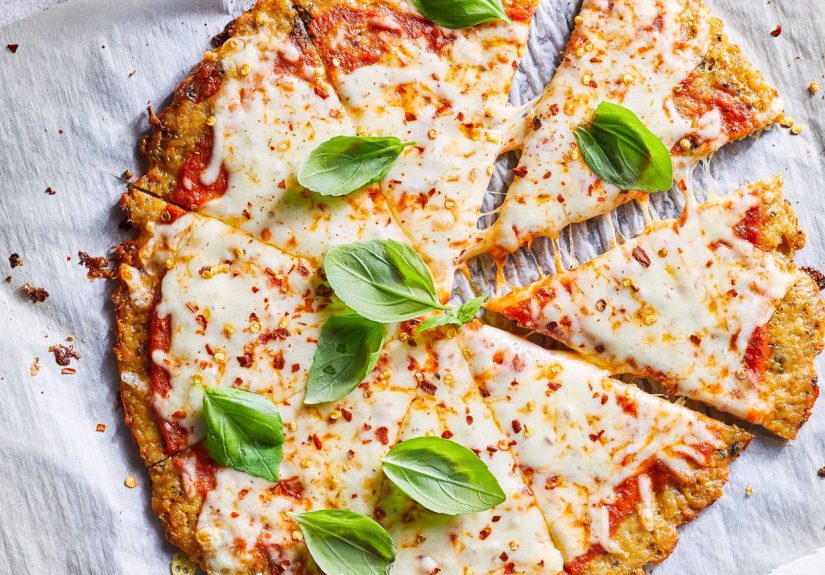
The concept is simple: seasoned ground chicken + a few binders + a quick bake = a sliceable, high-protein pizza base that hits the “comfort food” button while quietly helping you reach your protein goals. It’s part weeknight shortcut, part “how is this even legal,” and 100% customizable.
Why a Ground Chicken Pizza Crust Works
A classic pizza crust is basically a warm hug made of flour. Delicious? Yes. High-protein? Not exactly. A ground chicken crust flips the script by using poultry as the foundation. The result is a protein-forward base that bakes into a thin, savory layerkind of like a giant, well-seasoned chicken patty that happens to love marinara.
Who this crust is perfect for
- High-protein eaters who want pizza without “protein powder dough” vibes.
- Low-carb and keto-ish folks looking for a chicken crust pizza that actually holds together.
- Gluten-free households that still want a legit pizza-night experience.
- Meal preppers who like having a fast, macro-friendly base on standby.
Bonus: it’s naturally flavorful. You’re not starting with “neutral bread.” You’re starting with seasoned chicken and cheese. That’s like beginning a movie at the good part.
Ingredients (and What They Actually Do)
A great high-protein pizza crust isn’t about piling on ingredients. It’s about choosing the right ones so the crust bakes up firm, sliceable, and not suspiciously wet in the middle.
Core ingredients
- Ground chicken (1 lb) – The main event. Lean is fine, but super-lean can dry out faster. If you want a juicier crust, consider ground chicken with a little more fat.
- Egg (1 large) – The binder. It helps the mixture set into a cohesive crust instead of turning into seasoned chicken crumble (still tasty, but… not pizza).
- Parmesan (1/2 cup, grated) – Adds salty depth and helps firm the crust. It’s like structural support you can sprinkle.
- Mozzarella (1 cup, shredded) – Adds melt and stretch, plus extra binding. Also, mozzarella makes everything feel more “pizza,” which is the entire point.
Flavor builders (high impact, low effort)
- Garlic powder
- Italian seasoning or oregano
- Salt and black pepper
- Optional: red pepper flakes, smoked paprika, onion powder
Optional add-ins
- Fresh basil or parsley for brightness
- A pinch of chili powder for a subtle kick
- Finely minced sun-dried tomatoes (blot them first) for a “chicken parm pizza” vibe
Base Recipe: High-Protein Ground Chicken Pizza Crust
This recipe makes one 10–12 inch crust (thin-ish), which is ideal for crisp edges and a sliceable center. If you want it thicker, you can, but crispness will take a hitphysics is rude like that.
What you’ll need
- 1 lb ground chicken
- 1 large egg
- 1/2 cup grated Parmesan
- 1 cup shredded mozzarella
- 1 tsp garlic powder
- 1 tsp Italian seasoning (or 1/2 tsp oregano + 1/2 tsp basil)
- 1/2 tsp kosher salt
- 1/4 tsp black pepper
- Optional: pinch of red pepper flakes
Equipment
- Large baking sheet
- Parchment paper (non-negotiable unless you enjoy scraping)
- Mixing bowl
- Spatula or your clean hands
- Instant-read thermometer (strongly recommended)
Step-by-step instructions
- Preheat your oven to 425°F. Line a baking sheet with parchment paper. Lightly mist with cooking spray if you want extra insurance.
- Mix ground chicken, egg, cheeses, and seasonings in a bowl until evenly combined. Don’t overwork itthis isn’t bread dough; it doesn’t need a motivational speech.
- Shape the mixture into a 10–12 inch round on the parchment. Aim for about 1/4 inch thick. Wet your hands or spatula to smooth the top and edges.
- Bake (first bake) for 18–25 minutes, until the edges are browned and the surface looks set. If you see moisture pooling, carefully blot with a paper towel (you’re not being dramaticthis helps).
- Rest the crust for 5–10 minutes. This little pause helps it firm up for topping.
- Add toppings (keep sauce light), then return to the oven for 8–12 minutes, until the cheese melts and bubbles.
- Optional broil for 1–2 minutes for extra browning. Stay closebroilers have trust issues.
- Safety note: Because this is poultry, make sure the thickest part of the crust reaches 165°F before you call it dinner.
You now have a high-protein ground chicken pizza crust that you can slice, hold, and eat like a normal personno fork-and-knife apology required.
How to Make It Crisp (Not Steamy-Sad)
1) Go thinner than your instincts
The #1 crispness lever is thickness. A thin crust means more surface area browning, faster moisture evaporation, and a better shot at a sliceable middle. If your crust looks like it’s training for a weightlifting competition, it’s probably too thick.
2) Blotting is not cheating
Chicken releases juices as it cooks. If liquid collects on top during the first bake, a gentle blot helps prevent the crust from steaming itself into softness. Think of it like removing the rainwater before the parade.
3) Let it rest before topping
A short rest after the first bake helps the proteins set and the crust firm. If you sauce it immediately, you’re basically asking the crust to do gymnastics on a slip-n-slide.
4) Consider a “flip” for extra firmness
If you want maximum structure, you can carefully flip the crust after the first bake: slide it onto a second piece of parchment, invert, peel off the old parchment, then bake for another 3–5 minutes. This dries out the underside and boosts crispness.
5) Use heat smartly
- Hot oven (like 425°F) helps browning.
- Broil at the end for color and crisp edgesjust supervise it like a toddler near a marker.
- Pizza stone/steel can improve underside browning if you have one.
Topping Ideas That Don’t Wreck the Crust
With chicken crust pizza, toppings are where your instincts might betray you. Heavy sauce + watery veggies + extra cheese can turn the center soft. The trick: keep it balanced and pre-cook anything that leaks.
Classic high-protein combo
- 2–3 tbsp pizza sauce (thin layer)
- 1–1 1/2 cups shredded mozzarella
- Pepperoni, turkey pepperoni, or cooked chicken sausage
- Fresh basil after baking
BBQ chicken “chicken crust” pizza
Swap marinara for a light layer of BBQ sauce, then top with shredded cheese, red onion, and chopped cooked chicken (yes, chicken on chickeniconic behavior). Finish with a drizzle of ranch or Greek yogurt ranch if you’re feeling wholesome.
High-protein chicken parm style
Keep sauce minimal, add mozzarella, then finish with extra Parmesan and basil. If you love that chicken parmesan pizza energy, add a little garlic and a pinch of crushed red pepper.
Buffalo Caesar salad twist
Bake the crust, then top lightly with cheese and a splash of buffalo sauce. After baking, pile on a crisp Caesar-style salad (romaine, Parmesan, croutons if you’re not low-carb, or crunchy chickpeas if you are) and drizzle with dressing. It’s salad-on-pizza, which sounds chaotic until you try it and suddenly you’re texting friends like it’s news.
Veggie-forward (still high protein)
- Thin-sliced mushrooms (pre-sautéed)
- Bell peppers (roasted or sautéed)
- Spinach (wilted and squeezed dry)
- Onions
- Olives
Quick topping rules (to keep the crust firm)
- Sauce goes thin. Think “paint layer,” not “tomato soup base.”
- Cook watery veggies first. Mushrooms and zucchini are delicious, but they’re basically sponges.
- Pat toppings dry. Pineapple, roasted peppers, even fresh mozzarellablot if needed.
- Don’t overload. If your pizza looks like a mountain, your crust will feel it.
Meal Prep, Storage, and Reheating
This is where the ground chicken crust becomes a lifestyle upgrade. You can pre-bake crusts and keep them ready for fast dinners, lunches, or “I need food but I also need to lie down” moments.
Make-ahead options
- Pre-bake only: Bake the crust fully (first bake), cool completely, then refrigerate. Add toppings and finish-bake later.
- Freeze the crust: Wrap cooled, pre-baked crust tightly (parchment + plastic wrap + freezer bag). Freeze up to 2 months for best texture.
Reheating (for crisp results)
- Oven: 375°F for 8–12 minutes.
- Air fryer: 350°F for 4–6 minutes (check early; air fryers are enthusiastic).
- Skillet: Medium heat with a lid slightly ajarcrisps the bottom while warming the top.
Microwave reheating works in an emergency, but it tends to soften the crust. If you want that “pizza shop reheat” vibe, dry heat is your friend.
FAQ: High-Protein Ground Chicken Pizza Crust
Does it taste like chicken?
It tastes like a savory, cheesy base with a chicken-forward flavorkind of like a seasoned chicken cutlet that joined a pizza fan club. The more Italian seasoning and garlic you use, the more “pizza” it feels.
Can I use ground turkey instead?
Yes. The technique is almost identical. Just keep the same goals: thin layer, pre-bake until set, and don’t drown it in sauce.
Can I make it dairy-free?
Dairy helps with structure and browning, but you can experiment with dairy-free shredded cheese alternatives. Expect a slightly softer texture. Adding extra seasoning becomes even more important for flavor.
Can I make it egg-free?
Egg is the easiest binder, but you can try an egg substitute designed for baking. Results vary by brand. Another option is to increase cheese slightly and keep the crust thinner for better setting.
What sauce is best for low-carb chicken crust pizza?
A no-sugar-added marinara works well. You can also use pesto, Alfredo, or a light BBQ saucejust keep it thin.
Why is my crust soggy?
- It’s too thick in the center.
- You didn’t bake long enough on the first bake.
- Toppings were watery (uncooked mushrooms are frequent offenders).
- Too much sauce.
Conclusion
A high-protein ground chicken pizza crust is one of those rare internet ideas that actually delivers: it’s easy, filling, and flexible enough for classic pepperoni nights or more chaotic creations like Buffalo Caesar salad pizza. The big secrets are simplepress it thin, pre-bake until firm, keep toppings balanced, and treat moisture like the enemy it is.
If you want a high-protein pizza that feels like real comfort food (not a compromise disguised as a “hack”), this chicken crust pizza belongs in your rotation. Bonus points if you make two crusts and freeze one. Future-you will feel seen.
Bonus: Real Kitchen Experiences (The Good, The Bad, and the Crispy)
The first time I made a ground chicken pizza crust, I treated it like regular dough. I was confident. I was fearless. I was also very wrong. I piled on sauce like I was frosting a cake, added a small mountain of vegetables, and declared, “This will be great!” The oven, in response, created something that could only be described as a delicious, cheesy puddle with ambitions. Tasty? Absolutely. Sliceable? Not even a little.
Attempt #2 was the redemption arc. I pressed the crust thinneruncomfortably thin, like I was trying to win a tortilla contest. I baked it until the edges browned and the top looked set. Then I waited. That rest time felt unnecessary in the moment, like being told to “let the steak relax” when the steak is basically already living a better life than you. But the pause mattered: the crust firmed up, and suddenly it behaved like a crust.
The biggest surprise was moisture management. Chicken does what chicken does: it releases juices. The first time I saw a shiny little puddle forming in the center, I panicked, because my brain yelled, “You broke the pizza!” Then I tried blotting it gently with a paper towel, andno dramathings improved. The crust browned better, and it didn’t steam itself into softness. Now blotting is just part of the ritual, like washing rice or pretending you’ll only eat one slice.
I also learned that toppings have consequences. Fresh mozzarella is amazing, but it brings moisture. Mushrooms are delicious, but raw mushrooms are basically tiny water balloons. If I’m using watery toppings, I sauté them first or pat them dry. And sauce? I used to think more sauce meant more joy. On chicken crust, more sauce means more sog. The sweet spot is a thin, even layerenough for flavor, not enough to start a soup.
The “flip method” was a game-changer the week I wanted maximum crispness. It felt risky, like performing a culinary backflip without training. But with parchment paper and a little courage, flipping the crust after the first bake gave me a firmer underside and better structure overall. That’s the batch where I cut clean slices, picked one up confidently, and experienced the kind of pride usually reserved for parallel parking on the first try.
After a few rounds, I started using this crust for more than pizza night. A pre-baked chicken crust becomes a fast base for “whatever is in the fridge.” Pesto + leftover rotisserie chicken + spinach. BBQ sauce + onions + jalapeños. Marinara + turkey pepperoni + olives. It’s the kind of flexible, high-protein dinner that makes you feel like you’ve hacked the weekespecially when you pull a crust from the freezer and dinner goes from “problem” to “handled” in 15 minutes.
My final takeaway: this crust rewards small, smart choices. Thin and even shaping. Enough bake time. A short rest. Light sauce. Pre-cooked watery toppings. Do those things, and you get a high-protein pizza that feels genuinely satisfyinglike the version of “healthy-ish” that still tastes like you’re living.