Table of Contents >> Show >> Hide
- What Are Cornish Game Hens, Exactly?
- Why This Herb-and-Spice Combo Works
- Ingredients
- Equipment You’ll Want
- Prep Tips for Crispy Skin and Juicy Meat
- Step-by-Step: Herb and Spice Roasted Cornish Game Hens
- Quick Serving Ideas (So Dinner Feels Complete)
- Variations You Can Use All Year
- Make-Ahead, Storage, and Reheating
- Troubleshooting (Because Poultry Has Opinions)
- Recipe Card: Herb and Spice Roasted Cornish Game Hens
- Experiences From the Kitchen: What It’s Like to Roast Cornish Game Hens (And Why People Keep Coming Back)
- Conclusion
- SEO Tags
If roast chicken is the little black dress of dinner, Cornish game hens are the tuxedo with a pocket square: same idea, fancier vibe,
and somehow everyone assumes you “went to culinary school” instead of “followed a timer and had a good attitude.”
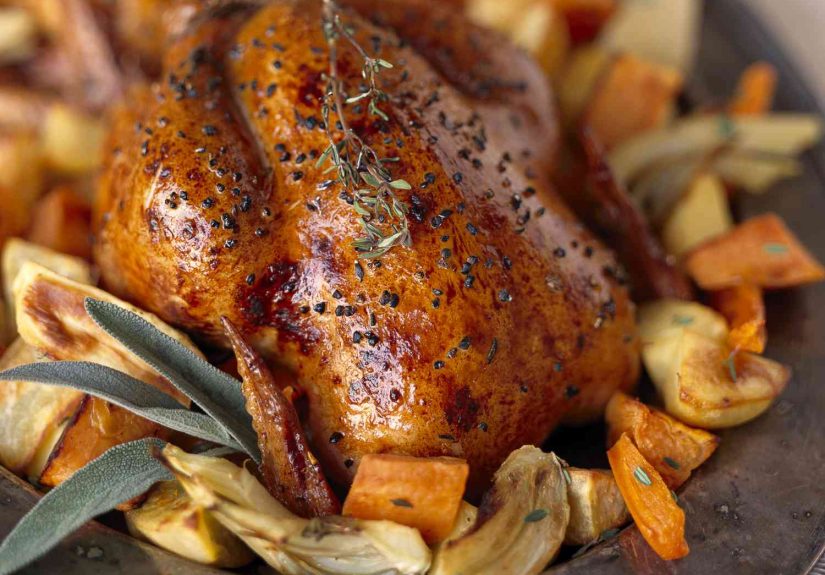
This herb and spice roasted Cornish game hens recipe is built for crisp skin, juicy meat, and a kitchen that smells like you live inside a cozy food magazine.
We’re going to do a bold-but-friendly herb-and-spice rub (think rosemary and thyme meeting smoked paprika and a pinch of cumin),
plus a simple garlic-herb butter that sneaks under the skin like it pays rent. The payoff: deeply seasoned birds with bronzed, crackly skin
the kind that makes you “accidentally” eat a wing tip while carving.
What Are Cornish Game Hens, Exactly?
Cornish game hens are small, young chickenstypically around 1 to 2 poundsso they roast faster than a whole chicken and feel perfectly portioned for one person
(or two people who “just want a taste” and then mysteriously have no self-control). Despite the name, they’re not game birds; they’re just young chickens with great PR.
Why This Herb-and-Spice Combo Works
Herbs bring freshness (rosemary, thyme, parsley), while warm spices add depth (paprika, cumin, coriander). Garlic ties it together, lemon brightens it,
and butter makes everything taste like you made “an effort.” The trick is balance: enough spice to be interesting, not enough to feel like the hen is wearing perfume.
Ingredients
For the hens
- 2 Cornish game hens (about 1 to 1½ pounds each), thawed if frozen
- 1 tablespoon olive oil (or a little more as needed)
- 1 teaspoon kosher salt, plus extra to taste
- ½ teaspoon black pepper
- 1 lemon, halved (plus optional zest)
- 4 garlic cloves, smashed
- 1 small onion, sliced (for the roasting pan “aroma mattress”)
- Optional: 1 cup baby carrots or small potatoes (if you want built-in sides)
Herb & spice rub
- 2 teaspoons smoked paprika (sweet paprika also works)
- 1 teaspoon dried thyme (or 1 tablespoon fresh)
- 1 teaspoon dried rosemary, crushed (or 1 tablespoon fresh, chopped)
- ½ teaspoon ground cumin
- ½ teaspoon ground coriander
- ¼ teaspoon cayenne (optional, for gentle heat)
- ½ teaspoon kosher salt
Garlic-herb butter (highly recommended)
- 3 tablespoons unsalted butter, softened
- 2 garlic cloves, finely grated or minced
- 1 tablespoon chopped fresh parsley (or 1 teaspoon dried)
- 1 teaspoon lemon zest (optional but excellent)
- Pinch of salt
Equipment You’ll Want
- Rimmed baking sheet or roasting pan
- Wire rack (optional, but helps airflow and crispier skin)
- Kitchen twine (optional, but helpful for even roasting)
- Instant-read thermometer (non-negotiable if you like juicy poultry)
Prep Tips for Crispy Skin and Juicy Meat
1) Dry skin = crisp skin
Moisture is the enemy of browning. Pat the hens dryoutside and insideuntil they stop feeling slippery. If you have time, set them uncovered in the fridge
for 1 to 8 hours to air-dry. It’s like letting the hens “dehumidify” before their big moment.
2) Optional mini dry-brine (the easy upgrade)
If you can plan ahead, sprinkle the hens with kosher salt (about ¾ to 1 teaspoon per pound total) and refrigerate uncovered for 8 to 24 hours.
This seasons the meat more deeply and encourages better browning. If you’re short on time, don’t panicthis recipe still delivers.
Step-by-Step: Herb and Spice Roasted Cornish Game Hens
Step 1: Preheat and set up the pan
Heat the oven to 425°F. Place sliced onion in the bottom of a roasting pan or rimmed baking sheet.
Add carrots or potatoes if using, and drizzle with a little olive oil and a pinch of salt.
Step 2: Make the garlic-herb butter
In a small bowl, mash together softened butter, garlic, parsley, lemon zest (if using), and a pinch of salt.
You want a spreadable pastelike a tiny spa treatment for poultry.
Step 3: Season the hens (the “under-the-skin” move)
- Pat hens dry again (yes, againtrust the process).
- Carefully loosen the skin over the breast with your fingers.
- Spread about half the garlic-herb butter under the skin of each hen, focusing on the breast area.
- Rub the outside with olive oil.
Step 4: Add the herb-and-spice rub
Mix the rub ingredients, then sprinkle it over the hens. Get the legs, wings, and back. Season the cavity with a pinch of salt and pepper.
Stuff each cavity with half a lemon and a couple smashed garlic cloves. (This is flavor insurance.)
Step 5: Truss (optional, but helpful)
Tie the legs together with kitchen twine and tuck wing tips under. This keeps the hens compact so they roast more evenly and look dinner-party ready.
Step 6: Roast
Place hens breast-side up on a rack over the pan (or directly on the onion/veg bed). Roast at 425°F for
45 to 55 minutes, depending on size. Start checking at the 40-minute mark if your hens are closer to 1 pound.
Step 7: Temperature check (the moment of truth)
Pull the hens when the thickest part of the breast or thigh reaches 165°F. If the skin is perfect but you’re a few degrees shy,
tent loosely with foil and restcarryover heat will help. If the breast hits 165°F but thighs are lagging, give the hens 5 more minutes and recheck.
Step 8: Rest, then carve
Let hens rest 10 minutes before carving. Resting helps the juices settle so they stay in the meat instead of flooding your cutting board.
To serve, you can present each hen whole (dramatic) or split lengthwise with kitchen shears (practical and still dramatic).
Quick Serving Ideas (So Dinner Feels Complete)
- Bright + crisp: arugula salad with lemon vinaigrette, shaved Parmesan, and toasted breadcrumbs
- Cozy: garlic mashed potatoes, roasted green beans, and pan juices spooned over everything
- Weekend energy: buttery rice pilaf, roasted carrots, and a glass of something celebratory
- Low effort, high reward: crusty bread + simple salad + “oops we ate it all”
Variations You Can Use All Year
1) Lemon-herb classic
Skip cumin and coriander, double the thyme and parsley, and add extra lemon zest. It’s clean, bright, and feels like spring even in sweatpants season.
2) Smoky-sweet
Use smoked paprika, add 1 teaspoon brown sugar to the rub, and finish with a squeeze of lemon. The skin gets glossy and irresistibly snackable.
3) Mediterranean-ish
Swap rosemary for oregano, add a pinch of cinnamon, and roast with olives and cherry tomatoes in the pan. Serve with couscous and pretend you’re on vacation.
Make-Ahead, Storage, and Reheating
Make-ahead
You can season the hens (including under-the-skin butter) up to 24 hours ahead and refrigerate uncovered. This both dries the skin and deepens flavor.
Storage
Cool leftovers and refrigerate in an airtight container for up to 3 to 4 days. Freeze carved meat for up to 2 to 3 months for best quality.
Reheating without sadness
Reheat in a 350°F oven, loosely covered with foil, until warmed through. For crispier skin, uncover for the last 5 to 10 minutes.
Microwaves work, but they’re the reason crisp skin cries itself to sleep.
Troubleshooting (Because Poultry Has Opinions)
My skin isn’t crispy
- Next time: pat dry more thoroughly and air-dry uncovered in the fridge.
- Use a rack if you have one so heat circulates.
- Don’t overcrowd the pansteam is a crisp-killer.
My meat is dry
- Thermometer check: pull at 165°F, not when “it looks done.”
- Try the dry-brine option for better moisture retention and seasoning.
- Rest the hens before carving.
The spices look too dark
Paprika can darken quickly at high heat. If your oven runs hot, lower to 400°F and roast a bit longer,
or cover loosely with foil if browning accelerates early.
Recipe Card: Herb and Spice Roasted Cornish Game Hens
Servings: 2 (one hen per person)
Prep time: 15 minutes (plus optional drying/brining time)
Cook time: 45–55 minutes
- Preheat oven to 425°F. Add onion (and optional veggies) to a roasting pan.
- Mix garlic-herb butter. Loosen skin and spread butter under the breast skin.
- Rub hens with olive oil. Mix spice rub and season hens all over; season cavities lightly.
- Stuff cavities with lemon halves and smashed garlic. Tie legs and tuck wing tips under (optional).
- Roast 45–55 minutes, checking early for smaller hens.
- Remove when internal temperature reaches 165°F in breast or thigh.
- Rest 10 minutes. Serve whole or split lengthwise. Spoon pan juices on top.
Experiences From the Kitchen: What It’s Like to Roast Cornish Game Hens (And Why People Keep Coming Back)
Cornish game hens have a funny superpower: they make a regular Tuesday feel like a special occasion without requiring a professional-level plan.
A lot of home cooks describe the first time they roast them as a “wait, that’s it?” momentin the best way. You season, you roast, you check a thermometer,
and suddenly you’re serving a personal, golden-brown bird that looks like it belongs in a restaurant.
One common experience: the smell. As soon as the garlic-herb butter hits hot oven air, the kitchen turns into an aromatherapy session you can eat.
People often mention that rosemary and thyme make the whole house smell “holiday-adjacent,” even if the only decorations are a dish towel and a mild sense of hope.
Add warm spices like paprika and a pinch of cumin, and the aroma gets deeperless “plain roast chicken,” more “I definitely meant to do this.”
Another classic: learning the crispy-skin lesson in real time. Many cooks start by seasoning right away, only to realize later that damp skin doesn’t brown as well.
Once you try thoroughly patting the hens dryor letting them air-dry uncovered in the fridgeyou notice the difference immediately: the skin tightens, browns more evenly,
and becomes the part everyone “just wants to sample.” The experience tends to convert people into the kind of cook who casually says, “Oh, I always dry the skin first,”
like it’s a personality trait.
The thermometer moment is its own mini storyline. You’ll see folks admit they used to rely on guesswork (color, timing, vibes) until Cornish hens taught them that
small birds can go from juicy to overdone faster than you can say “I’ll check in five minutes.” Hitting 165°F and pulling them at the right time becomes a confidence boost:
not only is dinner safe, it’s tender. And if you let the hens rest, carving becomes less messy and more satisfyingfewer juices escaping, more staying where they belong.
Serving is where the “fancy” factor really shows up. Lots of people enjoy plating each hen whole because it looks impressive, but just as many end up splitting them in half
because it’s easier to eat and share. Either way, the experience feels a little ceremonial: you bring out individual birds, spoon pan juices over the top, and suddenly
everyone’s paying attention. It’s the kind of meal that invites slower eating and better conversationpartly because it’s delicious, and partly because nobody wants to talk
with their mouth full of crispy skin.
Finally, leftovers tend to surprise people. Because the hens are so well-seasoned, leftover meat turns into quick wins: shredded into tacos, tossed into a salad, folded into
a warm grain bowl, or stirred into soup with a squeeze of lemon. The most relatable experience might be this: you cook Cornish hens once for a “special dinner,” and then
you realize they’re also a smart, fast-roasting option for any night you want dinner to feel a little more intentional.
Conclusion
Herb and spice roasted Cornish game hens are the sweet spot between “easy roast chicken” and “wow, you did that?”
Dry the skin, season boldly, roast hot, and trust the thermometer. You’ll get crisp skin, juicy meat, and a dinner that looks impressive
even if your playlist was doing most of the emotional labor. Serve with simple sides, spoon over the pan juices, and accept compliments gracefully.
(A simple “thank you” is fine. A dramatic bow is optional.)