Table of Contents >> Show >> Hide
- What the Eco 5 Actually Does (and What It Doesn’t)
- Quick Specs (A Cheat Sheet for Busy Humans)
- How It Works: 8 Phases, One Button, Less Trash-Can Regret
- What You Can Put In (and What You Shouldn’t)
- What to Do With the Output: “Plant Food” Without the Guesswork
- Odor, Noise, and Real-Life Kitchen Logistics
- Eco Impact: Can One Countertop Machine Really Matter?
- Cost & Value: Who Should Buy the Eco 5 (and Who Should Pass)
- Eco 5 vs. Other Ways to Handle Food Scraps
- Tips for Getting the Best Results (Without Babysitting Your Scraps)
- Common Questions (Quick FAQ)
- Final Take: A Smart Tool (If You Use It Like a Tool)
- Experience Notes: Living With the Eco 5 in Real Life (Extra )
If your kitchen trash can had a diary, it would be 80% “banana peel,” 15% “mystery leftovers,” and 5% pure drama.
Food scraps don’t just sit therethey audition for a role in Kitchen Odor: The Musical.
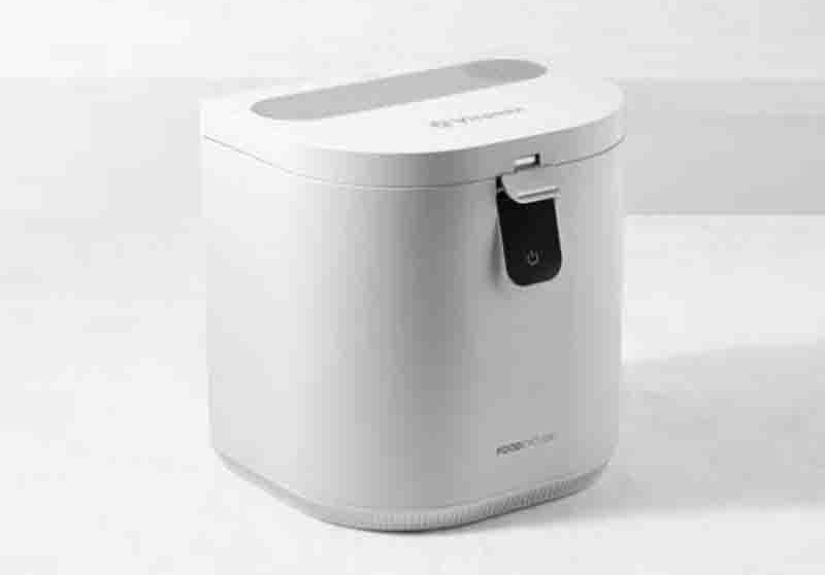
Enter the FoodCycler by Vitamix Eco 5, a countertop food waste recycler that promises to shrink your scraps,
calm the stink, and make you feel like the kind of person who owns matching storage jars.
This guide digs into what the Eco 5 is, how it works, what it’s actually good for, and where it fits in the real world
(including apartments, busy households, and anyone who has ever forgotten a bag of onion skins in the bin).
We’ll also get honest about the “is it really compost?” question, because your garden deserves truthnot marketing glitter.
What the Eco 5 Actually Does (and What It Doesn’t)
The Eco 5 is often called a “food composter,” but the most accurate description is a grind-and-dry food waste recycler.
In simple terms, it uses heat and airflow to dehydrate food scraps, then grinds them into a dry,
soil-mixable material. That means:
- It reduces volume dramatically by removing moisture and breaking scraps down into small particles.
- It helps with odor control during processing using a carbon filtration system.
- It produces a dry by-product you can mix into soil (with smart timing) or add to certain organics programs if allowed.
What it does not do all by itself: create finished, microbe-rich compost the way a backyard pile does.
Traditional composting relies on a community of microorganisms breaking materials down over time.
The Eco 5’s by-product is best thought of as a pre-compost / soil amendment ingredientuseful, but not magical.
Quick Specs (A Cheat Sheet for Busy Humans)
Here’s the high-level snapshot of what you’re getting with the FoodCycler Eco 5:
- Capacity: about 5 liters (roughly 21 cups)
- Cycle length: approximately 4–9 hours (depends on moisture and load)
- Power: up to 500 watts (max)
- Size: roughly 13.5″ x 10.9″ x 13.8″ (big toaster-oven energy, but taller)
- Weight: around 29–30 lbs (it’s not “one-hand carry while texting” light)
- Filters: refillable carbon filter system (odor control)
- Warranty: often marketed with a 3-year warranty in the U.S. (check seller details)
How It Works: 8 Phases, One Button, Less Trash-Can Regret
The Eco 5 is intentionally simple: load the bucket (up to the fill line), lock the lid, press the button, and walk away like a person
who absolutely has their life together. Internally, it runs through multiple phases that generally follow this pattern:
- Drying: warm air and controlled heat pull moisture from the scraps (this is where volume reduction happens).
- Grinding: the unit breaks dried material into fine particles.
- Cooling: it cools down so you’re not greeted by a bucket of “lava compost confetti.”
The cycle time swings based on what you feed it. A bucket full of watermelon rinds is basically a humidifier with ambitions,
so expect longer runs. A mixed load with some drier items (like coffee grounds) tends to run more efficiently.
What You Can Put In (and What You Shouldn’t)
One big selling point of the Eco 5 is flexibility. Unlike many backyard compost setups (where meat and dairy can invite pests),
a sealed, indoor unit can process a broader range of kitchen scraps. Still, there are rulesbecause the machine has feelings,
and those feelings are “please don’t feed me oil.”
Typically Works Well
- Fruit and veggie scraps (peels, cores, ends)
- Coffee grounds and filters; tea leaves and many tea bags
- Eggshells and some shells (in moderation)
- Meat scraps, fish, poultry (small amounts; balance with drier scraps)
- Cooked grains and leftovers (again: moderation and mix)
- Small poultry/fish bones (not the “Fred Flintstone steak bone,” though)
Avoid (Your Machine Will Thank You)
- Oils and fats (they don’t dry well and can cause problems)
- Large beef/pork bones (too hard; can jam or damage components)
- Candy and gum (sticky, not compost-friendly)
- Cardboard, wood, metal, glass (nopethis isn’t a magical trash wizard)
- Very hard items like nuts (can contribute to jams or motor strain)
Pro tip: cut large pieces down before cycling. The Eco 5 can do a lot, but it’s still a countertop appliancenot a woodchipper.
Also, don’t pack food down past the fill line. Overloading is the fastest route to “why is it beeping at me?” territory.
What to Do With the Output: “Plant Food” Without the Guesswork
After a cycle, you’ll get a dry, crumbly by-product that looks a bit like coarse coffee grounds or dark, dry breadcrumb-style material.
The key is how you use it. A smart approach is to mix it into soil rather than dumping it on top.
Practical Use Method (So Your Garden Doesn’t Panic)
- Mix ratio: start around 1 part by-product to 10 parts soil.
- If your batch had lots of animal protein: consider a more diluted mix like 1:15.
- Timing: wait at least one week before planting; a longer wait (up to about a month) can be even better.
- Don’t top-dress: avoid sprinkling it directly on the soil surfaceit can hold moisture, mold, or attract pests.
Translation: treat the output like a soil ingredient that benefits from time and mixingnot like instant compost fairy dust.
If you already have a compost pile, you can also use the Eco 5 output as a “dry booster” that can help reduce the wet, smelly chaos of fresh scraps.
If your city has an organics bin, check rulessome programs may accept it, and some may not.
Odor, Noise, and Real-Life Kitchen Logistics
Let’s talk about the stuff you care about at 11:47 p.m. when you just want peace: smell and sound.
Odor Control
The Eco 5 relies on carbon filtration to reduce smells during processing. Filters don’t last forever, though.
Most guidance puts filter life around a few months of regular use (or a certain number of cycle hours), and the best “replace it” signal
is often simple: you start noticing odors.
- Stretch filter life: don’t leave scraps sitting inside the machine too long before cycling.
- De-stink hack: running a cycle with citrus rinds can help reduce lingering odor issues.
- Bucket hygiene: residue is normal; routine rinsing of removable filters (and letting them dry) helps.
Noise Level
Most reviewers describe it as “quiet enough to run overnight” in many homes, though “quiet” is relative.
Grinding phases can be noticeablethink “appliance hum” rather than “construction zone.”
If you live in a studio apartment where your bed is also your living room and your living room is also your kitchen,
you may want to test it during daytime first.
Where to Put It
Because it needs airflow, you’ll want clearance around vents and a stable, dry surface.
It’s also heavy enough that you’ll probably choose a semi-permanent spot:
counter, pantry shelf, utility area, or a well-ventilated corner of the garage (if temperature is in a safe range).
Eco Impact: Can One Countertop Machine Really Matter?
Household food waste isn’t just a “yikes” momentit’s a climate and resource issue.
When food decomposes in landfills under low-oxygen conditions, it produces methane, a potent greenhouse gas.
Composting and organics diversion help by keeping food waste out of landfills and turning it into something useful.
The Eco 5’s eco-value depends on what it replaces:
If you were sending everything to landfill, reducing that stream and using the by-product thoughtfully can be a meaningful shift.
If you already have curbside compost pickup, the Eco 5 becomes more about convenience, odor control, and volume reduction than climate impact alone.
Cost & Value: Who Should Buy the Eco 5 (and Who Should Pass)
The Eco 5 is a premium-priced appliance. That’s not inherently bad, but it means the “worth it” answer depends on your lifestyle.
Here’s a grounded way to think about it.
The Eco 5 Makes Sense If…
- You generate a lot of food scraps and hate taking out the trash constantly.
- You live somewhere without easy compost pickup or a backyard compost option.
- You want to reduce stink and mess (especially in hot weather).
- You have plants, raised beds, or a gardenand you’ll actually use the by-product properly.
- You’re motivated by waste reduction and want a consistent routine.
You Might Skip It If…
- You already have curbside composting and don’t mind using it.
- Your food waste volume is low (you might run cycles infrequently, reducing the convenience benefit).
- You dislike ongoing consumables (carbon pellets/filters add a maintenance rhythm).
- You want “finished compost” without additional soil mixing and waiting time.
A quick reality check on operating cost: the unit’s max power is 500W, and cycles run 4–9 hours.
Even in a worst-case math scenario (running at max power continuously), that’s up to 0.5 kWh per hour.
Real-world energy use is often lower than the maximum, but it’s helpful to think in ranges and compare with your local electricity rates.
Eco 5 vs. Other Ways to Handle Food Scraps
Curbside Composting or Drop-Off Programs
If your city or private hauler offers organics pickup, that’s often the simplest “set it and forget it” option.
You store scraps in a small kitchen bin, dump it weekly, and the composting happens at scale.
The downside: some programs restrict what you can include, and bins can still smell in warm climates.
Backyard Compost Pile or Tumbler
Classic composting works brilliantlyif you have outdoor space and don’t mind learning the basics.
Healthy compost typically needs a balance of “greens” (nitrogen-rich scraps) and “browns” (dry carbon materials like leaves, paper, or wood chips),
plus oxygen and moisture control. It’s low-tech, low-cost, and produces the gold-standard finished compost.
The downside: it can be slower, and some foods (especially meat/dairy) are often avoided at home to reduce pests.
Vermicomposting (Worm Bin)
Worm composting is an excellent indoor method, especially for apartment dwellers who don’t mind having tiny coworkers with no HR department.
It can produce rich castings, but it requires some setup, temperature awareness, and the willingness to say,
“Yes, I have worms in my home, and no, I’m not starting a horror movie.”
Bokashi
Bokashi is a fermentation-based method that can handle a wider range of scraps than many backyard piles.
It’s compact and relatively fast, but it involves additives and a fermentation process that some people love and others find… aromatic.
The Eco 5 is best viewed as the “convenience-first, indoor, low-mess” optionparticularly useful when traditional composting
isn’t practical, or when you want to dramatically reduce the volume and odor of daily scraps.
Tips for Getting the Best Results (Without Babysitting Your Scraps)
- Mix wet and dry: pair juicy scraps with drier ones (coffee grounds are a fan favorite).
- Don’t overload: fill to the line, not above it, and don’t pack scraps down.
- Cut big items: smaller pieces process more evenly and reduce jam risk.
- Mind the “no” list: oils, large bones, candy/gum, and non-food items are troublemakers.
- Use the output correctly: mix into soil and give it time before planting.
- Ventilation matters: keep air moving around the unit and don’t block vents.
- Filter routine: refill/replace pellets when odors increaseeven if the light hasn’t bullied you yet.
Common Questions (Quick FAQ)
Is the Eco 5 good for apartments?
It can be, especially if you lack outdoor space or compost pickup. The main considerations are space, cycle noise sensitivity,
and keeping up with filters to prevent odors.
Can it handle meat and dairy?
Small amounts are commonly processed in sealed food recyclers, but heavier protein loads can create a stronger smell and may call for a more diluted soil mix.
Balance matters: mix with plant scraps and avoid oily foods.
Does it eliminate odors completely?
It’s designed to reduce odor during processing, but no system is 100% if filters are overdue or scraps are left sitting too long before a cycle.
If you notice smells, it’s often a filter or “don’t store scraps too long” issue.
Is the by-product safe for plants?
It can be used as a soil amendment ingredient when mixed properly and given time. Don’t dump it on the soil surface,
and don’t plant immediately after mixinggive it a buffer period.
How often do you run it?
Many households run it overnight a few times a week or whenever the bucket reaches the fill line.
If you cook frequently, you may find a rhythm quickly.
Final Take: A Smart Tool (If You Use It Like a Tool)
The FoodCycler by Vitamix Eco 5 is for people who want an indoor, convenient, low-mess way to manage food scraps.
It shines when you don’t have easy compost options, you hate smelly trash, or you want to reduce the volume of waste your household produces.
It’s not a magic compost fairy, thoughits output still needs thoughtful use (soil mixing and time) to play nicely with plants.
If you go in with the right expectations“food recycler that makes a dry soil ingredient,” not “instant compost maker”the Eco 5 can be a genuinely useful,
routine-friendly upgrade. And anything that makes it easier to keep scraps out of the landfill (and out of your kitchen air) is a win worth considering.
Experience Notes: Living With the Eco 5 in Real Life (Extra )
Let’s zoom in on what the Eco 5 feels like day-to-daybecause product specs don’t capture the emotional journey of realizing
you’ve been throwing away perfectly good “future soil” for years.
In a typical week, the Eco 5 becomes part of a routine: you prep dinner, scrape the cutting board into the bucket, and feel
slightly superior to your past self who used to tie up a leaking trash bag like it was a hazardous materials incident.
The first noticeable change is trash behavior. When you’re diverting scraps into the Eco 5, the kitchen bin fills more slowly,
and it smells less like yesterday’s salad is filing a complaint. That’s especially noticeable in warm weather, when fruit scraps and onion skins
can turn a regular trash can into a science experiment.
People who cook a lot (or meal prep) tend to appreciate that the Eco 5 can handle a larger volume, so you’re not forced into constant micro-cycles.
Next comes the cycle rhythm. Many households run it overnight: load it after dinner, press the button, and let it do its thing while you sleep.
The sound is usually described as a steady appliance hum with occasional “yep, it’s grinding” moments.
If you’re a light sleeper or you live in a small space, you may prefer daytime cycles at first until you know how it behaves in your home.
It helps to put it on a stable surface where it won’t rattle against anythingbecause even a quiet machine becomes annoying if it’s
harmonizing with your cabinet doors.
The output is the part that surprises people. You open the lid after it cools and find something dry, crumbly, and dramatically smaller
than what you put in. It’s oddly satisfyinglike watching a time-lapse video of food scraps going through a glow-up.
The by-product usually pours out easily, and the bucket’s interior can look mostly clean, though some residue is normal.
The “aha” moment is realizing the output is not something you sprinkle on top like confetti. You learn quickly that mixing it into soil (and waiting)
is the difference between “helpful soil ingredient” and “why is my planter suddenly fuzzy?”.
The big ongoing habit is filter awareness. For the first stretch, everything may feel nearly odorless.
Then one dayusually when you’re feeling confidentyou notice a smell and remember the carbon filter is doing heroic work behind the scenes.
Staying ahead of the filter schedule keeps the experience pleasant. Another small but real trick is being mindful about what you store in the bucket:
leaving scraps for too long can create funky odors and attract fruit flies, which is not the kind of “biodiversity” you want in a kitchen.
Over time, Eco 5 owners tend to settle into a simple playbook: mix wet and dry scraps, avoid oils and super-hard items,
run cycles on a predictable schedule, and treat the output like a soil mix-in that benefits from patience.
When you use it that way, the Eco 5 can feel less like a gadget and more like an appliance you genuinely rely onone that quietly
reduces waste, reduces stink, and gives your trash can fewer reasons to write dramatic diary entries.