Table of Contents >> Show >> Hide
- What Does “Feels Like Something Is in My Eye” Usually Mean?
- Common Causes of the Feeling Something Is in Your Eye
- How to Get Relief Safely at Home
- What Not to Do
- When You Should Get Medical Help Quickly
- How Doctors Figure Out the Cause
- Prevention Tips That Actually Help
- Final Thoughts
- Real-Life Experiences: What This Problem Often Feels Like Day to Day
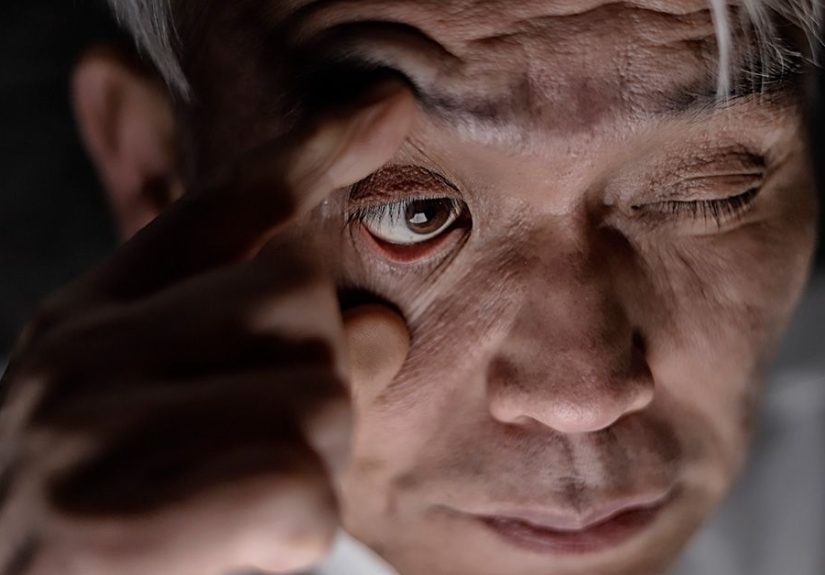
That annoying, scratchy, sandy, “Did I somehow store a breadcrumb under my eyelid?” feeling is incredibly common. Sometimes there really is something in your eye, like dust, an eyelash, or a tiny bit of makeup. Other times, your eye is sending out a distress signal even though there’s no visible speck at all. In eye-care language, this is often called a foreign body sensation, which is a fancy way of saying, “My eye feels personally offended.”
The tricky part is that several very different problems can create the exact same sensation. A dry eye can feel like grit. A scratched cornea can feel like a pebble. Blepharitis can make your lids feel crusty and irritated. Pink eye can make your eye feel sticky, red, and uncomfortable. So if your eye feels like it’s hosting an unwelcome guest, the goal is not just relief. It’s figuring out why your eye feels that way in the first place.
What Does “Feels Like Something Is in My Eye” Usually Mean?
This sensation can happen when the surface of the eye is irritated, inflamed, too dry, or actually injured. Your cornea, the clear front surface of the eye, is packed with nerves. That means even a tiny problem can feel dramatically larger than it looks. A minuscule scratch, a dry patch, or a clogged eyelid gland can turn a normal blink into a full-blown betrayal.
In some cases, your tears would normally wash away debris, but if your tear film is unstable, your eyes can feel rough and irritated even when nothing is stuck there. That is why many people swear they have an eyelash in the eye, only to find out the real issue is dry eye, lid inflammation, or a mild corneal irritation.
Common Causes of the Feeling Something Is in Your Eye
1. A Real Foreign Body
Let’s start with the obvious suspect. Sometimes it really is a speck of dust, sand, an eyelash, pet hair, lint, or debris from yard work, drilling, sanding, or cooking. These particles can get trapped under the eyelid or rest on the surface of the eye, making every blink feel like sandpaper with attitude.
If it’s a loose particle, blinking and tears may wash it out. But if the object is embedded, especially metal, glass, or anything sharp, this is not a home project. Trying to dig it out yourself can make the injury worse.
2. Dry Eye Disease
Dry eye is one of the most common causes of that gritty, sandy feeling. If your eyes do not make enough tears, or your tears evaporate too quickly, the eye surface becomes irritated. Instead of smooth, comfortable blinking, you get scratchiness, burning, redness, light sensitivity, and the classic feeling that something is stuck in your eye.
Dry eye often gets worse with long screen time, air conditioning, heat, wind, aging, contact lens wear, certain medications, and some autoimmune conditions. It also has a sneaky habit of causing watery eyes. Yes, the dry eye can cry. That happens because irritation can trigger reflex tearing, but those tears are often poor quality and do not fix the underlying problem.
3. Corneal Abrasion
A corneal abrasion is a scratch on the surface of the eye. This can happen from a fingernail, contact lens, makeup brush, tree branch, or a bit of dirt that scraped the eye on the way in or out. Corneal abrasions usually cause sudden pain, tearing, redness, light sensitivity, and a sharp sensation that something is still in the eye even after the original particle is gone.
This is one of those causes that people often underestimate. A “tiny scratch” on the cornea can feel huge because the cornea is extremely sensitive. Small abrasions may heal quickly, but untreated scratches can lead to infection, especially in contact lens wearers.
4. Blepharitis
Blepharitis is inflammation along the eyelid margins. If your eyelids are red, itchy, crusty, or flaky, and your eyes feel gritty or irritated, blepharitis may be the culprit. It tends to show up with burning, watering, crusting at the lashes, and that maddening “I just woke up and my eyelids already seem annoyed” feeling.
Blepharitis is often linked to clogged oil glands, skin conditions such as seborrheic dermatitis or rosacea, and sometimes bacteria or mites around the lashes. Glamorous? No. Common? Very much so.
5. Pink Eye (Conjunctivitis)
Pink eye can cause redness, burning, discharge, crusting, watering, and a sensation that something is stuck in the eye. Depending on whether it is viral, bacterial, or allergic, symptoms can vary. Viral pink eye often comes with watery eyes and spreads easily. Bacterial pink eye may cause thicker discharge. Allergic conjunctivitis usually brings intense itching and often affects both eyes.
If the eye is goopy, glued shut in the morning, or bright red and irritated, conjunctivitis moves higher on the suspect list.
6. Eye Allergies
When allergies hit the eyes, they can cause itching, tearing, puffiness, redness, and burning. Some people describe it less as “there’s a rock in my eye” and more as “my eye has declared war on spring.” Still, allergy-related swelling and irritation can absolutely create a gritty or foreign body sensation.
Unlike a scratch or foreign body, allergies usually affect both eyes and often come with sneezing, nasal congestion, or a known trigger such as pollen, dust, mold, or pet dander.
7. A Stye or Inflamed Eyelid Gland
A stye is a tender red bump on the eyelid that can make the whole eye feel irritated. Even though the problem is technically on the lid, it can still create the sensation that something is rubbing against the eye. Styes may also cause tearing, light sensitivity, and soreness when blinking.
If you have a painful bump near the lash line and your eye feels scratchy, a stye may be the reason.
8. Contact Lens Irritation or Infection
Contact lenses can cause trouble in several ways. They can dry the eye, scratch the cornea, trap debris, fit poorly, or increase the risk of infection. If you wear contacts and your eye is painful, red, sensitive to light, or suddenly blurry, do not assume it is minor irritation. Contact lens-related corneal infections can get serious quickly.
How to Get Relief Safely at Home
If the irritation seems mild and there is no major pain, vision change, or obvious injury, a few simple steps may help:
Flush the Eye Gently
If you think there’s a loose speck in your eye, rinse it with clean water or sterile saline. Blink a few times. You can also pull the upper lid gently over the lower lid to encourage tearing. Sometimes your own tears do the cleanup better than any dramatic bathroom mirror performance.
Use Artificial Tears
Lubricating eye drops, especially preservative-free artificial tears, can help if dry eye or mild irritation is the issue. They can also calm irritation from wind, screen time, or poor tear quality.
Try a Cool Compress
A cool, clean compress can soothe irritation from allergies, mild pink eye, and general eye discomfort. It will not fix everything, but it can calm the drama.
Use Warm Compresses for Lid Problems
If you have a stye or blepharitis, a warm compress may help loosen clogged oils and reduce discomfort. Keep it clean, warm rather than hot, and use it for several minutes at a time.
Take a Break from Contacts and Eye Makeup
If your eye is irritated, stop wearing contact lenses until your eye feels normal and you know what caused the problem. Skip eye makeup, too. This is not the moment for bravery.
What Not to Do
When your eye feels irritated, the wrong move can make it much worse. Avoid these common mistakes:
Do not rub your eye. Rubbing can worsen a scratch, inflame the surface, and push debris around.
Do not try to remove an embedded object yourself. No tweezers. No cotton swab digging expedition. No improvised eye surgery.
Do not wear contacts over an irritated eye. This can worsen dryness, delay healing, and raise infection risk.
Do not use leftover antibiotic drops from a previous problem. Eye problems can look similar while needing different treatment.
Do not ignore symptoms after metal work, grinding, drilling, or chemical exposure. Those situations deserve extra caution.
When You Should Get Medical Help Quickly
Eye irritation is common, but some symptoms should move you out of “let me wait a bit” mode and into “I need an eye professional” mode. Seek prompt medical care if you have:
Severe pain, marked light sensitivity, blurred or reduced vision, intense redness, thick discharge, trauma to the eye, a visible object stuck in the eye, symptoms after grinding or hammering metal, or a suspected chemical splash. If a chemical gets into the eye, flush immediately with water for at least 15 minutes and get urgent care.
You should also get checked if you wear contact lenses and develop a painful red eye, or if symptoms do not improve after a day or two of basic care. In eye care, “I thought it would go away” is not always the plot twist you want.
How Doctors Figure Out the Cause
An eye doctor usually starts with your story. Did symptoms begin suddenly? Was there yard work, a windy day, a contact lens mishap, or a toddler with enthusiastic fingers nearby? Timing matters.
Next comes an eye exam. The doctor may look under the eyelids, examine the eye surface with a slit lamp, and use fluorescein dye to highlight scratches or trapped debris. If the problem is dry eye, they may look at tear quality, tear quantity, and the eyelid glands. If infection is suspected, the exam helps sort out whether it looks viral, bacterial, allergic, or something more serious involving the cornea.
Prevention Tips That Actually Help
Wear protective eyewear for yard work, grinding, drilling, sanding, and chemicals. Use artificial tears if your eyes run dry during screen-heavy days. Blink more often when using digital devices. Clean contact lenses exactly as directed and do not wear them longer than recommended. Wash hands before touching your eyes. Replace old eye makeup. And if you deal with blepharitis or styes regularly, consistent eyelid hygiene can make a real difference.
In other words, the best way to avoid feeling like there’s sand in your eye is to stop giving your eye so many chances to audition for that role.
Final Thoughts
If it feels like something is in your eye, there may be a simple explanation, but there is not always a simple answer. Sometimes it is a harmless eyelash. Sometimes it is dry eye that has been quietly building for months. Sometimes it is a corneal scratch or an eyelid problem that needs treatment.
The safest approach is to pay attention to the pattern. Mild irritation that improves with rinsing or lubricating drops may be manageable at home. Pain, light sensitivity, vision changes, or persistent symptoms deserve medical attention. Your eyes do a lot for you every day. When one of them starts complaining loudly, it is worth listening.
Real-Life Experiences: What This Problem Often Feels Like Day to Day
In real life, the sensation of “something is in my eye” does not always arrive in a dramatic movie moment. Often, it starts small. A person wakes up and one eye feels a little scratchy, like sleep left behind a grain of sand. They blink a few times, look in the mirror, see nothing, and move on. By lunchtime, the eye is watery, slightly red, and suddenly every blink feels louder than it should. That pattern is common with dry eye, mild irritation, or blepharitis. It is subtle at first, then surprisingly distracting.
Another familiar experience happens after long screen time. Someone spends hours moving between email, spreadsheets, and a phone screen, then notices the eye feels dry, hot, and weirdly gritty. They assume they are tired, but the problem is often that they have been blinking less. The eye surface dries out, the tear film gets unstable, and the brain translates all of that into one unhelpful message: “Congratulations, it feels like an eyelash has set up camp in your eye.”
For contact lens wearers, the experience can be more immediate. A lens goes in and suddenly the eye feels wrong, like the lens has folded, shifted, or trapped a speck underneath. There may be tearing, discomfort, and an urge to keep taking the lens out and putting it back in as if the fifth attempt will finally produce enlightenment. Sometimes the lens is the issue. Sometimes the lens has already irritated the cornea, and the discomfort stays even after the lens is removed.
People with allergies often describe a different version of the same complaint. Instead of one sharp scratchy spot, the eyes feel swollen, itchy, watery, and generally irritated, almost like fine dust is floating over both eyes all day. Rubbing makes it feel briefly satisfying and then immediately worse, which is one of the cruelest tricks eye allergies ever pulled.
With a corneal abrasion, the story is usually less subtle. The person often remembers the exact moment it began: a fingernail during makeup removal, a tree branch on a hike, a child’s accidental poke, or debris blown in by wind. After that, the eye waters constantly, bright light becomes rude, and keeping the eye open feels like hard labor. Even when the object is gone, the sensation remains, which is why people often say, “I know something is still in there,” when the real issue is the scratch left behind.
Styes and lid inflammation create their own flavor of discomfort. People may notice tenderness near the eyelid, crusting in the morning, or the feeling that one spot keeps rubbing every time they blink. It is less like a deep eye pain and more like a persistent irritation that tags along all day, making reading, driving, and working more annoying than they should be.
What all of these experiences have in common is that the symptom feels bigger than it looks. A mirror may show very little, but the eye can feel intensely irritated. That mismatch is normal. Eyes are sensitive, and they are not shy about filing complaints. If the feeling passes quickly, great. If it hangs around, escalates, or comes with pain or blurry vision, that lived experience matters. It is your cue to stop guessing and get the eye checked.