Table of Contents >> Show >> Hide
- Why Breast Cancer Fatigue Happens (and Why It Feels So Different)
- When to Call Your Care Team About Fatigue
- Tip #1: Get the “Fixable Causes” Checked (Yes, This Counts as Self-Care)
- Tip #2: Move a Little (Because Your Body Loves Irony)
- Tip #3: Upgrade SleepWithout Turning Bedtime into a Competitive Sport
- Tip #4: Fuel Like It Matters (Because It Does)
- Tip #5: Practice Energy Conservation (AKA Pacing Without Guilt)
- Tip #6: Treat Stress and Mood Like Real Symptoms (Because They Are)
- Tip #7: Use Supportive Care Like a Pro (Not a Last Resort)
- Putting It All Together: A Simple 7-Day Starter Plan
- Conclusion
- Real-Life Experiences: What Fatigue Can Look Like (and How People Work Around It)
Breast cancer fatigue is not the cute, “I stayed up too late watching one more episode” kind of tired. It’s often a heavy, persistent exhaustion that can show up during chemotherapy, radiation therapy, surgery recovery, hormone therapy, targeted therapy, or even long after treatment ends. And frustratingly, a nap doesn’t always fix it.
The good news: cancer-related fatigue is usually manageable. Relief often comes from a mix of smart medical check-ins, gentle movement, better sleep habits, stress support, and a few “work with your body, not against it” lifestyle tweaks.
This guide breaks down 7 evidence-based tips that many breast cancer patients and survivors use to reclaim energywithout pretending you can “just push through.” (If pushing through worked, you’d be done already.)
Why Breast Cancer Fatigue Happens (and Why It Feels So Different)
Cancer-related fatigue is common, and it can be caused by more than one thing at the same time. For people dealing with breast cancer, fatigue may come from:
- Treatment effects (chemo, radiation, hormone therapy, targeted therapy) as your body repairs healthy cells alongside cancer care.
- Anemia (low red blood cells), which can reduce oxygen delivery to tissues.
- Pain, nausea, diarrhea, mouth sores, hot flashes, or other side effects that drain energy.
- Sleep disruption from steroids, anxiety, night sweats, or frequent bathroom trips.
- Emotional load (stress, depression, fear, grief, “why is everything a phone call?”).
- Deconditioningless movement can lead to weaker muscles and lower stamina, which can worsen fatigue.
Because fatigue has multiple possible drivers, the best plan is often a “stack” of small, realistic strategies that add up.
When to Call Your Care Team About Fatigue
Fatigue is common, but some symptoms deserve quick medical attention. Let your oncology team know promptly if fatigue is:
- Sudden, severe, or rapidly getting worse
- Paired with dizziness, fainting, chest pain, shortness of breath, or a racing heartbeat
- Preventing you from eating, drinking, walking safely, or doing basic self-care
- Coming with fever, chills, or signs of infection
- Linked to heavy bleeding, persistent vomiting, or dehydration
Also speak up if fatigue lasts for weeks after treatment or feels “not proportional” to what you did that day. Your team can look for treatable causes and offer targeted support.
Tip #1: Get the “Fixable Causes” Checked (Yes, This Counts as Self-Care)
If fatigue were a mystery novel, this step is the part where you look for obvious clues before accusing the houseplant.
Ask your provider about common contributors
Your care team may review medications and run tests (when appropriate) to check for issues that can worsen fatigue, such as:
- Anemia
- Thyroid problems
- Electrolyte imbalances or dehydration
- Vitamin deficiencies (case-by-case; not everyone needs broad testing)
- Sleep disorders (including insomnia)
- Depression/anxiety or high stress
- Pain that isn’t well controlled
Practical example
If you’re exhausted and you’re short of breath walking across the room, that’s a different fatigue pattern than “I’m sleepy after radiation.” Both are valid, but they may need different solutions.
Bottom line: Don’t assume fatigue is something you must silently endure. Your team has seen this beforeand they can help you troubleshoot.
Tip #2: Move a Little (Because Your Body Loves Irony)
It feels backwards, but gentle exercise for cancer-related fatigue has strong evidence behind it. The goal is not training for a marathon. The goal is reminding your body, “We still do life.”
What “exercise” can look like during breast cancer treatment
- A 5–10 minute walk after breakfast
- Light stretching while waiting for the kettle to boil
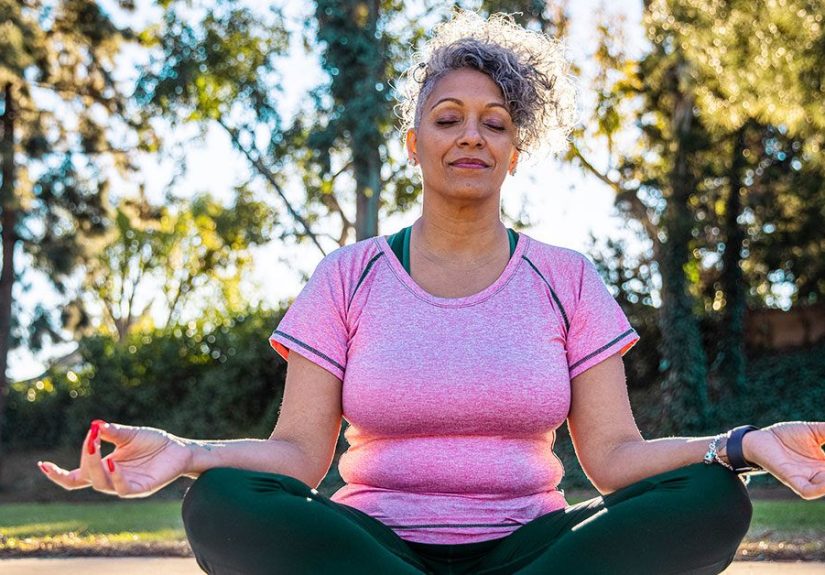
- Yoga or tai chi (beginner-friendly, low-impact options)
- Short bouts of movement spread throughout the day
Start small, stay consistent
A helpful approach is the “minimum effective dose”: choose a level so easy you can do it even on a rough day. Then build gradually as your stamina returns.
Mini-plan you can copy:
- Week 1: 5 minutes of walking, 5 days a week
- Week 2: 7 minutes, 5 days a week
- Week 3: 10 minutes, 5 days a week
If you have surgery restrictions, neuropathy, lymphedema risk, bone concerns, or other limitations, ask your team about a referral to physical therapy or cancer rehab so you can move safely.
Tip #3: Upgrade SleepWithout Turning Bedtime into a Competitive Sport
Better sleep won’t magically erase all breast cancer treatment fatigue, but it can reduce the “exhaustion tax” you pay daily.
Sleep habits that often help
- Keep a consistent schedule (same wake time most days, even if sleep was messy).
- Limit naps to short power naps when possible (so nighttime sleep isn’t sabotaged).
- Create a wind-down routine (warm shower, calm music, breathing exercises, low light).
- Cut late-day caffeine if it’s affecting sleep.
- Make your bedroom a sleep zone: cool, dark, and quiet if you can.
If sleep is hard because of symptoms
Hot flashes, pain, nausea, anxiety, or steroid timing can all disrupt sleep. Tell your care team what’s happening. Sometimes small medical adjustments (like symptom control or medication timing) can make nights more manageable.
Tip #4: Fuel Like It Matters (Because It Does)
When your body is healing, it needs steady energy. Skipping meals can turn fatigue into a full-time job. And dehydration can make tiredness feel heavier and foggier.
Simple nutrition strategies for low-energy days
- Eat small, frequent meals if big meals feel overwhelming.
- Pair protein + carbs for steadier energy (e.g., yogurt + fruit, peanut butter + toast).
- Keep “no-cook” staples on hand: eggs, canned soup, frozen meals, rotisserie chicken, pre-cut veggies.
- Choose iron-rich foods (if appropriate): beans, lentils, spinach, lean meatsespecially if anemia is a concern.
- Hydrate steadilywater, broths, herbal tea, or electrolyte drinks if recommended.
Example: an easy “energy plate”
A quick meal could be: a turkey sandwich on whole grain bread + a banana + a glass of water. Not fancy, but it gets the job donelike sweatpants for nutrition.
If nausea, mouth sores, taste changes, or diarrhea are blocking your ability to eat or drink, your care team (and a registered dietitian) can help tailor options.
Tip #5: Practice Energy Conservation (AKA Pacing Without Guilt)
One of the most effective day-to-day tools is energy conservation: planning your activities so you spend energy where it matters most, and stop before you crash.
Try the “energy budget” method
Imagine you start the day with a limited number of energy coins. If you spend them all by noon, the afternoon becomes… not cute.
- Prioritize: Pick 1–3 “must-do” tasks for the day.
- Plan: Do harder tasks at your best-energy time (many people feel better mid-morning).
- Pace: Alternate activity and rest (do-rest-do-rest).
- Position: Sit whenever possiblefold laundry seated, chop veggies seated, shower with a chair.
- Permission: Accept help. You’re not failing; you’re strategizing.
Specific example
Instead of “clean the whole kitchen,” try “load the dishwasher, rest 10 minutes, wipe one counter.” This is not laziness; it’s smart symptom management.
Tip #6: Treat Stress and Mood Like Real Symptoms (Because They Are)
Fatigue isn’t only physical. Stress, anxiety, and depression can intensify tiredness, disrupt sleep, and make motivation vanish. Addressing mental health isn’t “extra”it’s part of your fatigue plan.
Tools with evidence behind them
- Cognitive behavioral therapy (CBT) for coping strategies and behavior patterns that affect fatigue and sleep.
- Mindfulness-based programs (meditation, gentle breathing, body scans).
- Relaxation techniques: progressive muscle relaxation, guided imagery, journaling.
- Support groups (in-person or online) to reduce isolation and share practical tips.
A quick, low-effort stress reset (2 minutes)
Try “box breathing”: inhale 4 seconds, hold 4, exhale 4, hold 4. Repeat 4 cycles. No equipment. No app. Just you reminding your nervous system that it can unclench.
If you’re feeling persistently down, numb, panicky, or overwhelmed, tell your care team. Counseling and, when appropriate, medication can helpespecially when mood symptoms are feeding fatigue.
Tip #7: Use Supportive Care Like a Pro (Not a Last Resort)
Supportive care (sometimes called palliative care) focuses on improving quality of life and managing symptomsat any stage. It’s not “giving up.” It’s “getting help.”
Supportive care options that may ease fatigue indirectly
- Pain control so your body isn’t fighting discomfort all day and night.
- Managing nausea, diarrhea, and appetite changes so you can fuel properly.
- Physical therapy / occupational therapy for safe movement and daily-life adaptations.
- Integrative therapies (such as gentle yoga, massage, tai chi, or qigong) when approved by your medical team.
- Medication review to check whether certain drugs are worsening fatigue.
Important: If you’re considering supplements or herbal products for energy, talk to your oncology team first. “Natural” doesn’t always mean “safe,” especially during active treatment.
Putting It All Together: A Simple 7-Day Starter Plan
If you want to try these tips without changing your entire life overnight, here’s a realistic starter approach:
- Day 1: Write down your fatigue pattern (morning vs afternoon) and tell your care team at your next check-in.
- Day 2: Do 5 minutes of gentle movement.
- Day 3: Add one sleep upgrade (consistent wake time or a 10-minute wind-down routine).
- Day 4: Add one easy snack/meal that includes protein.
- Day 5: Practice pacing (one task, then rest before you crash).
- Day 6: Try a 2-minute breathing exercise.
- Day 7: Ask for help with one thing (a ride, groceries, laundry, childcare, meal prep).
Small changes are not “too small.” With fatigue, tiny wins are how you build momentum.
Conclusion
Fatigue and breast cancer often travel togetherbut fatigue doesn’t get to be the boss forever. The most effective relief usually comes from a combination of steps: checking for treatable causes, moving gently, improving sleep, fueling your body, pacing your day, supporting mental health, and using supportive care resources early.
If you remember just one thing, make it this: tell your care team what you’re feeling and be specific about how fatigue affects your daily life. You deserve a plan that fits your body, your treatment, and your real-world schedulenot a generic “try to rest more” shrug.
Real-Life Experiences: What Fatigue Can Look Like (and How People Work Around It)
Because fatigue is so personal, it helps to hear how it commonly shows up in everyday life. The experiences below are composite examples based on patterns many patients describemeant to help readers feel less alone and spark ideas for practical coping.
Experience 1: “I slept eight hours… so why do I feel like I ran a marathon?”
One common frustration is waking up after a “reasonable” night of sleep and still feeling depleted. People often describe it as a whole-body heavinesslike their limbs have upgraded to concrete. In this situation, some find it helpful to stop using sleep as the only yardstick for recovery and start tracking other factors: pain level, nausea, hydration, stress, and what time they took medications like steroids. Relief sometimes comes less from sleeping longer and more from improving sleep quality (cooler room, consistent routine), short rest breaks instead of long naps, and gentle morning movement to “turn on” the body without overtaxing it.
Experience 2: “If I do one errand, I’m done for the day.”
Another frequent pattern is the “all-or-nothing” crash: a trip to the pharmacy, a quick grocery run, or one appointment wipes out the rest of the day. Many people learn that fatigue becomes easier to manage once they treat energy like a budget. They start “pre-resting” (sitting for 10 minutes before leaving), bring water and a snack to prevent energy dips, and plan errands for the time of day they usually feel best. Some also lower the physical cost of tasks: using delivery services, curbside pickup, a rolling cart, or asking a friend to come along. The emotional shift matters toomany describe real relief when they give themselves permission to pace instead of judging their stamina.
Experience 3: “I miss the old methe one who could do everything.”
Fatigue can hit identity just as much as it hits muscles. People sometimes feel guilty for needing help, or anxious that they’re “not doing enough.” In these moments, emotional support becomes part of symptom relief. Some patients say counseling or a support group helped them reframe fatigue as a medical side effectnot a character flaw. Others find that mindfulness practices, journaling, or simple breathing exercises reduce the stress response that amplifies tiredness. A common theme: when mood improves, sleep often improves, and fatigue becomes a little less intense and a little more predictable.
Experience 4: “Exercise sounds impossible… but it’s the only thing that helps.”
Many people are skeptical about movement (understandably). Yet a surprisingly common report is that very small amounts of activitylike a five-minute walkcan lead to slightly better energy later, especially when done consistently. The key is avoiding the trap of overdoing it on a “good day” and crashing for two days afterward. People who benefit most often describe keeping exercise gentle and repeatable: walking at an easy pace, stretching, chair yoga, or light strength work with guidance. They also mention celebrating tiny wins: “I walked to the mailbox” becomes proof that improvement is possible, even when fatigue feels relentless.
If you see yourself in any of these experiences, consider choosing one strategy to try for a week. Fatigue relief often comes from steady, realistic changesnot from heroic bursts of effort.