Table of Contents >> Show >> Hide
Dermatitis is one of those skin words that sounds dramatic because, frankly, it often is. When your skin becomes red, itchy, flaky, irritated, or all of the above at once, it is basically filing a formal complaint. But “dermatitis” is not a single disease. It is a broad term for skin inflammation, and it includes several conditions that can look similar while behaving very differently.
That matters because the rash on your hands after too much dish soap is not the same beast as dandruff that keeps returning, or the itchy patches behind your knees that flare every winter, or the swelling and rash that show up on the lower legs when circulation is poor. If you treat every rash like it is the same rash, your skin may stage a rebellion.
In this guide, we will walk through the main types of dermatitis, the most common symptoms, what causes flare-ups, how treatment works, and when it is time to stop Googling and call a clinician. Think of it as a practical roadmap for understanding irritated skin without falling into the black hole of random internet panic.
What Is Dermatitis?
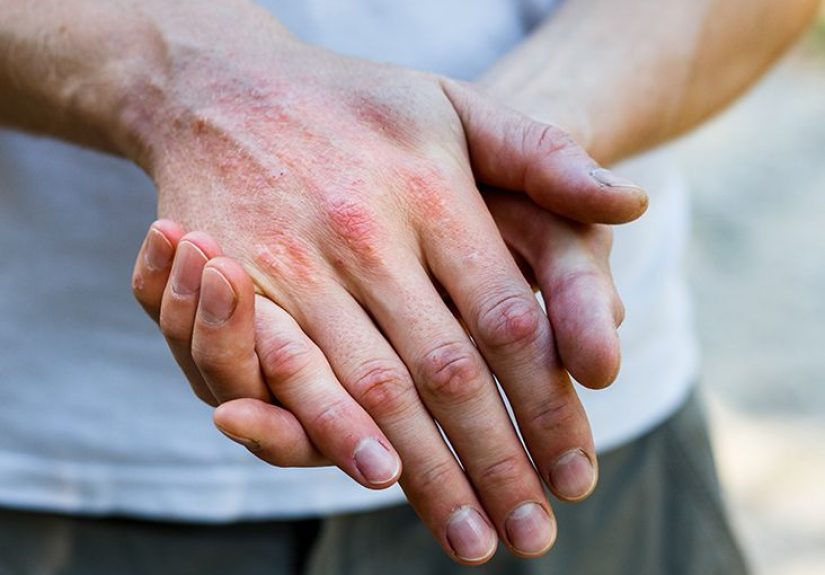
Dermatitis is a general term for inflammation of the skin. It often causes itching, dryness, redness, scaling, burning, or a rash. Some types can also lead to oozing, crusting, blisters, thickened skin, or painful cracks. In many cases, dermatitis comes and goes. In others, it lingers like an unwanted houseguest who somehow knows where the snacks are.
People often use the word eczema as if it means every itchy rash on earth, but that is not quite accurate. Atopic dermatitis is the most common type of eczema, while dermatitis as a broader category also includes contact dermatitis, seborrheic dermatitis, stasis dermatitis, and several other related conditions.
Common Types of Dermatitis
1. Atopic Dermatitis
Atopic dermatitis is the type most people mean when they say “eczema.” It is especially common in children, but adults can have it too. The skin barrier tends to be weaker, which makes the skin dry, sensitive, and more reactive. Itching is often intense, and scratching can make the rash worse, creating the classic itch-scratch cycle.
Typical locations include the cheeks and scalp in babies, and the insides of the elbows, backs of the knees, neck, wrists, hands, and ankles in older children and adults. On some skin tones it may look bright red; on others it may appear darker, purple-brown, grayish, or simply more bumpy and dry.
2. Contact Dermatitis
Contact dermatitis happens when the skin reacts to something it touched. There are two main forms:
- Irritant contact dermatitis: triggered by substances that directly damage the skin barrier, such as soaps, detergents, solvents, cleaning products, or repeated handwashing.
- Allergic contact dermatitis: caused by an immune reaction to a specific allergen, such as nickel, fragrances, preservatives, hair dye, certain plants like poison ivy, or ingredients in skin care products.
This type often appears exactly where the trigger touched the skin. Hands are common troublemakers, especially for people who wash frequently, wear gloves for long periods, work with chemicals, or use a parade of “gentle” products that turn out to be not so gentle after all.
3. Seborrheic Dermatitis
Seborrheic dermatitis usually shows up in oily areas such as the scalp, eyebrows, sides of the nose, behind the ears, beard area, or chest. It often causes flaky scales, redness, and itch. On the scalp, it may look like dandruff that refuses to take the hint and leave.
In infants, this form is commonly called cradle cap. In adults, it tends to be chronic and may come and go. Stress, cold weather, and certain skin or neurologic conditions can make it worse.
4. Stasis Dermatitis
Stasis dermatitis usually affects the lower legs and is linked to poor circulation in the veins. When blood and fluid pool in the legs, the skin can become swollen, itchy, discolored, tender, and scaly. Over time, the skin may become fragile, and severe cases can lead to sores or ulcers.
This is the type that deserves extra respect. It is not just a skin issue; it often reflects an underlying circulation problem that needs medical attention.
5. Other Types Worth Knowing
Dermatitis also includes several less talked-about but very real conditions:
- Dyshidrotic eczema: tiny, intensely itchy blisters on the hands, fingers, or feet.
- Nummular eczema: coin-shaped itchy patches, often on the arms or legs.
- Neurodermatitis: thickened, very itchy patches caused by repeated rubbing or scratching.
- Perioral dermatitis: a rash of bumps around the mouth, and sometimes around the nose or eyes; steroid creams can make it worse.
Symptoms of Dermatitis
Dermatitis symptoms vary by type, but several features show up again and again:
- Dry, rough, or scaly skin
- Itching, sometimes severe
- Redness or darker inflamed patches depending on skin tone
- Burning, stinging, or tenderness
- Swelling
- Cracks or fissures
- Blisters or oozing in some forms
- Crusting or thickened skin from repeated scratching
Atopic dermatitis often causes relentless itch and dry patches. Contact dermatitis may produce burning, stinging, or blistering after exposure to a trigger. Seborrheic dermatitis is famous for greasy flakes and dandruff-like shedding. Stasis dermatitis often comes with leg swelling, color changes, and skin that feels irritated or tight.
One important point: not every rash is dermatitis. Psoriasis, fungal infections, rosacea, scabies, and other skin conditions can mimic it. That is one reason a persistent rash deserves a real diagnosis, not just a random cream from the back of the bathroom drawer.
What Causes Dermatitis?
The causes depend on the type, but dermatitis usually develops through some combination of the following:
Skin Barrier Problems
In atopic dermatitis, the skin often has trouble holding moisture and keeping irritants out. The result is skin that dries out easily and reacts more dramatically.
Immune System Reactivity
Allergic and atopic forms involve immune activity that fuels inflammation. In simple terms, the skin overreacts and then refuses to calm down quietly.
Environmental Triggers
Common triggers include harsh soaps, fragrances, detergents, metals, hair products, stress, sweat, hot showers, rough fabrics, dry air, and temperature changes. For some people, it is one obvious trigger. For others, it is a whole team effort.
Yeast and Oil-Producing Areas
Seborrheic dermatitis is associated with oily skin areas and an inflammatory reaction involving skin yeast that naturally lives on the body. That is why medicated shampoos and antifungal treatments often help.
Poor Circulation
Stasis dermatitis is tied to venous insufficiency, which means the veins in the legs are not moving blood upward efficiently. Swelling follows, and the skin eventually pays the price.
How Dermatitis Is Diagnosed
Diagnosis usually starts with a medical history and skin exam. A clinician looks at where the rash appears, how long it has been there, whether it comes and goes, what seems to trigger it, and whether there is a personal or family history of allergies, asthma, or eczema.
In many cases, dermatitis is a clinical diagnosis, meaning the pattern and story matter more than fancy testing. Still, testing can be useful when the diagnosis is not clear or the rash keeps returning.
Common Diagnostic Tools
- Patch testing: especially helpful for allergic contact dermatitis. It checks for delayed allergic reactions to common substances like nickel, fragrances, preservatives, and rubber chemicals.
- Skin swabs or cultures: sometimes used if infection is suspected.
- Biopsy: occasionally needed to rule out look-alike conditions.
If a rash is around the mouth, on the scalp, limited to the lower legs, or tied to a certain product or job exposure, those clues can help narrow things down quickly.
Treatment for Dermatitis
Treatment depends on the type of dermatitis, the body area involved, and how severe it is. But the general strategy is simple: calm inflammation, repair the skin barrier, reduce itching, and avoid triggers that keep restarting the problem.
1. Daily Skin Care
This is the unglamorous but powerful part. Good skin care is not exciting, but neither is a rash that keeps winning.
- Use fragrance-free moisturizers regularly, especially after bathing
- Take lukewarm, not scalding, showers
- Choose gentle cleansers instead of harsh soaps
- Pat skin dry and moisturize while the skin is still slightly damp
- Wear soft fabrics and avoid rough wool or scratchy clothing if they trigger symptoms
2. Topical Medications
Topical corticosteroids are a mainstay for many forms of dermatitis. They reduce inflammation and itch during flares. The strength and duration matter, especially on thin skin such as the face, eyelids, groin, or skin folds, where treatment needs more caution.
Topical calcineurin inhibitors may be used in certain cases, particularly for sensitive areas or when long-term steroid use is not ideal. Other prescription nonsteroid creams are also available for some patients with eczema.
3. Anti-Itch and Comfort Measures
Cool compresses, wet wraps in selected cases, and diligent moisturizing can make a big difference. Oral antihistamines may sometimes be used to help with sleep when itching is severe, although they are not a cure for the skin inflammation itself.
4. Type-Specific Treatments
- Atopic dermatitis: moisturizers, prescription anti-inflammatory creams, trigger management, and for moderate to severe cases, phototherapy, biologic medicines, or other systemic treatments.
- Contact dermatitis: identify and avoid the culprit. No amount of cream can outsmart daily exposure to the thing causing the rash.
- Seborrheic dermatitis: medicated shampoos or washes with ingredients such as ketoconazole, selenium sulfide, zinc pyrithione, or other antifungal/anti-inflammatory treatments.
- Stasis dermatitis: reduce swelling, improve circulation, protect the skin, and use compression if recommended by a clinician.
- Perioral dermatitis: stop inappropriate steroid creams and follow a clinician-guided treatment plan.
5. Treating Infection or Complications
If skin becomes infected, treatment may include antibiotics or other targeted therapy. Signs of possible infection include increasing pain, warmth, pus, spreading redness, or a sudden worsening of the rash.
When to See a Doctor
You should seek medical care if:
- The rash is severe, widespread, painful, or keeps returning
- Over-the-counter care is not helping
- You suspect a specific product, chemical, or workplace exposure is causing it
- The rash affects the face, eyelids, genitals, or lower legs
- You see signs of infection
- Leg swelling, skin discoloration, or sores are present
- You are relying on steroid creams repeatedly without a clear diagnosis
A dermatologist can often tell the difference between similar-looking rashes and help you avoid treatment mistakes, like using the wrong product for months while your skin quietly loses patience.
What Living With Dermatitis Can Really Feel Like
Medical definitions are useful, but they do not fully capture the day-to-day experience of dermatitis. For many people, it is not just “an itchy rash.” It is interrupted sleep, canceled plans, self-consciousness at work, discomfort in ordinary clothes, and the endless detective work of figuring out what triggered a flare this time.
Take hand dermatitis, for example. A person may start with mild dryness around the knuckles during winter. Then comes more handwashing, sanitizer, dish soap, cleaning sprays, and suddenly the skin is cracked, burning, and stinging every time it touches water. Typing hurts. Cooking hurts. Even putting on lotion can feel like the skin is negotiating terms. What looks minor to other people can feel huge when your hands are involved in absolutely everything.
Atopic dermatitis can be even more exhausting because of the itch. Many people describe the itch as worse at night, when the room gets quiet and the skin somehow decides it is time for drama. They scratch in their sleep, wake up with raw skin, and then spend the next day trying not to touch irritated patches that are still begging for attention. Over time, the cycle can affect mood, concentration, and confidence. A child may struggle in school because of poor sleep. An adult may avoid social events because visible flares on the neck, face, or hands draw questions they are tired of answering.
Seborrheic dermatitis brings a different kind of frustration. Someone may try shampoo after shampoo wondering why the flakes keep returning as if they are on a subscription plan. Scalp itch can make a person feel distracted and uncomfortable all day, while flaking around the eyebrows or nose may be mistaken for poor skin care when the real issue is inflammation, not hygiene.
Stasis dermatitis has its own emotional weight. People with lower-leg swelling often notice that the skin becomes darker, tighter, and more delicate over time. Shoes may feel uncomfortable. Standing for long periods becomes harder. What begins as itching can turn into pain, tenderness, and worry about sores that are slow to heal. In that setting, treatment is not just about making a rash look better. It is about protecting mobility, comfort, and overall health.
There is also the trial-and-error part that many patients know too well. One moisturizer works beautifully for a month, then suddenly feels greasy or irritating. A “natural” product sounds soothing until fragrance or essential oils make things worse. A steroid cream helps quickly, but the rash returns if the trigger is still there. Over time, people often learn that managing dermatitis is less about finding one magic product and more about building a routine that respects how reactive their skin can be.
The encouraging part is that many people do get better control once the type of dermatitis is identified correctly. The right diagnosis often turns the situation from chaotic to manageable. And when treatment is matched to the real cause, skin can finally stop yelling and go back to doing its actual job.
Final Thoughts
Dermatitis is common, complicated, and surprisingly easy to misunderstand. The name may sound simple, but the category includes several conditions with different causes, symptoms, and treatments. Atopic dermatitis, contact dermatitis, seborrheic dermatitis, and stasis dermatitis are not interchangeable, and that is why an accurate diagnosis matters.
The good news is that most cases can be managed with a combination of smart skin care, trigger avoidance, and the right treatment plan. If your rash is persistent, severe, or simply confusing, it is worth getting expert help. Your skin is not being dramatic. It is sending a message. The trick is learning how to read it.