
Table of Contents >> Show >> Hide
- What Makes These “Bread and Butter” Pickles?
- Recipe: Bread and Butter Zucchini Pickles (Water Bath Canning)
- Quick Refrigerator Version (No Canning Day Required)
- Flavor Tweaks That Still Taste Like “Bread and Butter”
- Crispness Tips (Because Nobody Dreams of a Mushy Pickle)
- Troubleshooting: Common Pickle Plot Twists
- How to Use Bread and Butter Zucchini Pickles (Besides Standing at the Fridge)
- Food Safety Notes (The Unfun Part That Keeps Pickles Fun)
- Extra : Real-Life Kitchen Experiences (and Lessons) with Zucchini Pickles
Zucchini has a sneaky habit of multiplying overnight. One day you’ve got a couple of polite little squashes,
the next day your kitchen counter looks like a zucchini daycare. When that happens, this
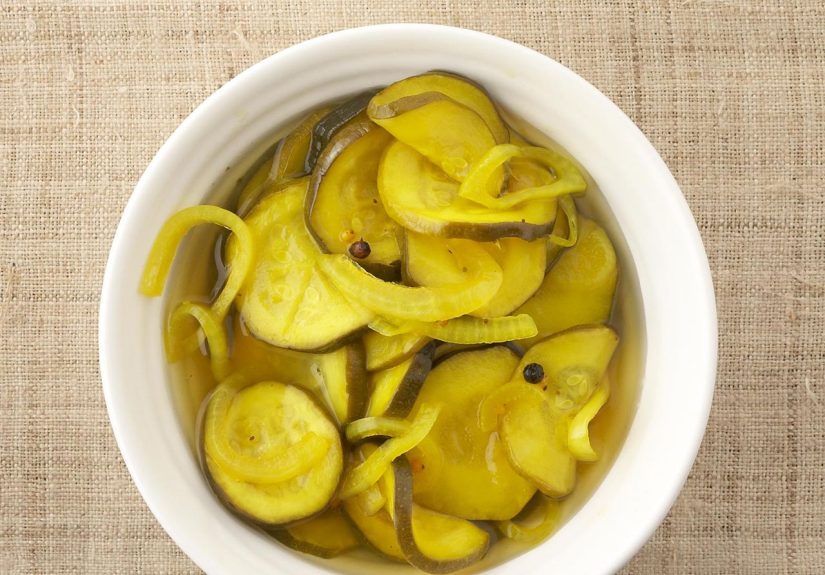
bread and butter zucchini pickles recipe is the delicious, sweet-and-tangy solution that turns
“too much zucchini” into “do we have any pickles left?”
Bread-and-butter pickles are the classic sandwich sidekicksweet, vinegary, lightly spiced, and ridiculously snackable.
Swap cucumbers for zucchini (or other summer squash), and you get a pickle that’s crisp at the edges, tender in the middle,
and perfect for burgers, BBQ plates, cheese boards, and midnight fridge raids.
What Makes These “Bread and Butter” Pickles?
The name comes from the sweet-and-sour balance that plays nicely with savory foodsthink mustard seed, celery seed,
turmeric’s warm color, and a brine built on 5% acidity vinegar plus sugar. The result is bright,
punchy, and a little old-school in the best way.
Why Zucchini Works So Well
- Mild flavor that happily absorbs a sweet-tangy brine.
- High water content that can be managed with a salt soak (translation: better texture).
- Quick to prepslice, soak, simmer, jar. You’ll feel like a kitchen wizard.
Recipe: Bread and Butter Zucchini Pickles (Water Bath Canning)
This is a tested-style, classic approach: salt soak for texture, hot brine, short simmer, then boiling-water processing.
It yields enough jars to make you feel extremely prepared for any sandwich-related emergency.
Yield
About 8–9 pint jars
Ingredients
- 16 cups sliced zucchini squash (or other summer squash; cucumbers also work)
- 4 cups thinly sliced onions (about 1 1/2 pounds medium onions)
- 1/2 cup pickling or canning salt
- 4 cups white vinegar (5% acidity)
- 2 cups granulated sugar
- 2 teaspoons ground turmeric
- 2 tablespoons celery seed
- 4 tablespoons mustard seed
Equipment
- Boiling-water canner (or a deep stockpot with a rack)
- 8–9 pint jars with two-piece lids (plus an extra jar “just in case”)
- Jar lifter, canning funnel, bubble remover/spatula
- Large nonreactive container for soaking (glass/plastic)
- Non-aluminum saucepan or pot for the vinegar brine
Step-by-Step Instructions
1) Slice the vegetables
Slice zucchini into rounds about 1/4-inch thick. Slice onions about 1/4-inch thick.
Consistent thickness helps everything pickle evenlyno floppy mystery coins, please.
2) Salt soak for better texture
Place sliced vegetables in a large flat glass or plastic container. Cover with about 1 inch of water
and add the 1/2 cup pickling salt. Let stand for 2 hours. If you want,
scatter ice cubes on top to keep everything extra crisp and cool.
After 2 hours, drain thoroughly. If you prefer a less salty finished pickle, rinse the vegetables briefly in cool water,
then drain again. (The key is draining wellextra water can water down flavor and texture.)
3) Make the bread-and-butter brine
In a non-aluminum saucepan, combine vinegar, sugar, turmeric,
celery seed, and mustard seed. Bring to a boil, stirring until the sugar dissolves.
4) Add vegetables + quick simmer
Add the drained zucchini and onions to the boiling brine. Return to a boil, then simmer for 5 minutes.
This short cook helps the vegetables absorb flavor while staying pleasantly crisp.
5) Pack jars (hot pack)
Pack the hot pickle mixture into clean, hot pint jars. Leave 1/2 inch headspace.
Remove air bubbles, top off with brine if needed, and wipe rims clean.
6) Apply lids and process
Place lids on jars and tighten bands to fingertip-tight. Process in a boiling-water canner,
ensuring jars are covered by 1–2 inches of water.
Once the water returns to a full boil, process for 10 minutes (adjusting for altitude per safe canning guidance).
When the time is up, turn off heat, remove the lid, and let jars sit in hot water for 5 minutes.
Then remove jars and cool undisturbed for 12–24 hours.
7) Check seals and store
After cooling, check seals (the lid should not flex when pressed). Remove bands, wipe jars (including under the bands),
label, and store in a cool, dry place. For best flavor, let the jars rest a couple of weeks before openingif you can resist.
Quick Refrigerator Version (No Canning Day Required)
Want the same sweet-and-tangy vibe without the boiling-water canner spa treatment? Make the recipe through the simmer step,
then pack into clean jars, cool, and refrigerate. The flavor gets noticeably better after a few days and keeps for weeks
(you’ll know they’re working because you’ll start “just tasting one” repeatedly).
Flavor Tweaks That Still Taste Like “Bread and Butter”
The ingredient list above is the classic backbone. If you want to personalize the jar without turning it into
“mystery pickle,” keep your changes small and sensible.
Easy add-ins (small amounts go a long way)
- Thin bell pepper slices for color and a little sweetness.
- Red pepper flakes if your family believes pickles should have a minor attitude.
- Fresh dill sprig in each jar (not traditional bread-and-butter, but delicious).
Important note: for canning safety, don’t dilute the vinegar or “wing it” with big brine changes.
When you want to experiment wildly, do it with refrigerator pickles where the stakes are lower.
Crispness Tips (Because Nobody Dreams of a Mushy Pickle)
Pick the right zucchini
Medium zucchini tend to have better texture. If your zucchini is the size of a toddler’s forearm,
it may have larger seeds and softer flesh. You can still pickle it, but consider scooping out the seedy center
or slicing thicker so it holds up.
Slice evenly and don’t over-simmer
The quick 5-minute simmer is doing a job: warming the vegetables through and marrying flavor. Longer cooking can soften texture.
Use pickling salt
Pickling/canning salt dissolves cleanly and helps avoid cloudy brine. Table salt can work, but it can cloud the liquid
and sometimes darken the pickles.
Troubleshooting: Common Pickle Plot Twists
“My brine is cloudy.”
Cloudiness is often from salt additives, starch from spices, or not fully dissolving sugar. It’s usually a quality issue,
not automatically a safety issue, if you followed a tested process. Use pickling salt, dissolve sugar fully, and drain the soak well.
“My pickles are soft.”
Common culprits: overcooking, very mature zucchini, or letting slices sit too long after cutting.
Keep the simmer short, choose firmer zucchini, and start the process while the produce is fresh.
“They taste too sour.”
If you’re canning, don’t dilute vinegar. Instead, balance the next batch by nudging sweetness (within a tested framework)
or serving them with richer foods (pulled pork, grilled cheese, tuna saladpickles love a fatty co-star).
“A jar didn’t seal.”
No tragedy: refrigerate it and eat it first. Seals can fail from food on the rim, an older lid, or band tightness.
Clean rims carefully and stick to fingertip-tight.
How to Use Bread and Butter Zucchini Pickles (Besides Standing at the Fridge)
- Sandwich upgrade: turkey, ham, grilled cheese, chicken salad, even peanut butter (don’t knock it until you’ve panicked-snacked).
- Burger MVP: especially with cheddar, bacon, or barbecue sauce.
- Relish shortcut: chop and stir into mayo for an instant tangy spread.
- Charcuterie board: sweet pickles + sharp cheese = a reliable friendship.
- Potato salad twist: dice a handful and add a spoon of brine for zing.
Food Safety Notes (The Unfun Part That Keeps Pickles Fun)
Pickles are generally high-acid foods, which is why boiling-water canning is the standard method.
Still, safe pickling is all about measuring accurately and using the right ingredients:
vinegar with at least 5% acidity, clean jars, proper headspace, and correct processing time
(with altitude adjustments when applicable).
- Use commercially labeled vinegar (5% acidity). Avoid homemade vinegar for canning batches.
- Don’t dilute the vinegar with extra water “to soften the bite.” Add sugar or serve differently instead.
- Follow headspace guidancefor pickles it’s commonly 1/2 inch.
- Process in boiling-water canner and adjust time for altitude per trusted canning guidance.
Extra : Real-Life Kitchen Experiences (and Lessons) with Zucchini Pickles
In a lot of homes, zucchini season starts out adorable. Someone hands over a small bag from their garden with the pride
of a person presenting a tiny green trophy. The first zucchini becomes dinner. The second becomes “maybe zucchini bread?”
By the third delivery, the household starts making eye contact with the compost bin like it’s offering counseling.
That’s where bread and butter zucchini pickles feel like a minor miraclebecause they convert surplus produce into
something that doesn’t require eating zucchini three meals a day. The process itself is strangely satisfying:
a neat stack of slices, the salty soak that feels like the zucchini is clocking into a spa shift, and then the moment
turmeric hits the brine and turns everything a sunny, deli-counter gold. It’s the kind of kitchen project that smells
like “grandma’s pantry,” even if the only thing you’ve canned before is your feelings.
The first experience most people notice is how much water zucchini gives up. After the soak, the slices look the same,
but the bowl tells the truth: zucchini is basically a crunchy little water balloon. Draining well becomes the difference
between pickles that taste bold and pickles that taste like someone waved a mustard seed near a glass of vinegar. A good
habit is to drain, wait a minute, drain againlike you’re letting the zucchini reconsider its life choices.
Another very common “aha” moment is texture. Zucchini won’t mimic a tiny pickling cucumber perfectly, and that’s okay.
The best batches usually land in a sweet spot: a gentle bite on the edge, a softer center, and a brine that tastes like
it belongs on a summer sandwich. People who expect crunchy, snap-in-half dill spears sometimes adjust by slicing a touch
thicker, using smaller zucchini, or leaning into the pickles’ strengthschopping them into relish, folding them into
tuna salad, or piling them on pulled pork where sweet-and-tangy is the whole point.
There’s also the “patience tax.” Bread-and-butter pickles get better after they rest. Freshly made, they’re tasty,
but after a week or two the spice mellows, the sweetness rounds out, and the vinegar stops shouting and starts harmonizing.
Households that label jars with “DO NOT OPEN YET” are not being dramatic; they’re protecting their future selves from
early-pickle regret. (If curiosity wins, keeping one jar in the fridge as the “tester” can save the rest from being
prematurely demolished.)
Finally, there’s the pride factor. Zucchini pickles look impressivebright, glossy slices in a golden brineand they’re
an easy gift. A pint jar tied with a simple label (“Zucchini Pickles: Sweet + Tangy”) can turn an overgrown garden problem
into a present people actually request again. And the funniest part? Once someone tries them, zucchini stops being the
vegetable everyone jokes about and becomes the ingredient that quietly saved sandwich season.