Table of Contents >> Show >> Hide
- Hack #1: The “Hidden Dishwasher Spa Day” (Filter + Door Edges + Spray Arms)
- Hack #2: The “Laundry Room Reset” (Washer Gasket, Drawer, and the Surprise Swamp)
- Hack #3: Degrease Like a Grown-Up: Use a Dishwasher Tablet for Range Hoods & Grates
- Hack #4: The Two-Bucket Method for Floors (Because Your Mop Water Is Lying to You)
- Hack #5: Hard Water Stains Don’t Need a Wrestling MatchThey Need the Right Acid (Used Correctly)
- Hack #6: Make Baseboards (and Walls) Stay Cleaner Longer with an Anti-Static Finish
- Hack #7: Odor Removal Isn’t a SprayIt’s a Two-Step: Remove Residue, Then Neutralize
- Small Habits That Make These Hacks Work Even Better
- Extra: of Real-World “Yep, That Happened” Cleaning Experiences
- Wrap-Up: Clean Smarter, Not Harder
If you’ve ever rage-scrubbed a “clean” surface that somehow still looks… not clean, you’re not alone.
Most cleaning advice is loud about the obvious (wipe, spray, repeat) and weirdly quiet about the stuff that
actually makes your home stay clean longer. The secret isn’t buying a new miracle bottle every weekit’s
knowing where grime hides, why it sticks, and how to break the cycle without turning Saturday into a cardio session.
Below are seven under-the-radar cleaning hacks that work because they’re based on how dirt behaves in real life:
grease clings to texture, minerals crust up where water evaporates, odors come from bacteria and residue (not “bad vibes”),
and a lot of mess is simply re-deposited because we clean the wrong direction or skip the unglamorous parts.
Grab a microfiber cloth, a sense of humor, and let’s make “clean” mean actually clean.
Hack #1: The “Hidden Dishwasher Spa Day” (Filter + Door Edges + Spray Arms)
Your dishwasher can be the cleanest-looking germ factory in the house. If it smells funky or leaves “mystery grit” on glasses,
odds are it’s not brokenit’s just clogged. Dishwashers don’t magically teleport food bits to another dimension; they trap them
in a filter and in crevices around the door.
Why it works
When filters and spray-arm holes get gunked up, water pressure drops and detergent can’t circulate effectively. That means leftover
grease and protein residue can redeposit on dishesand the inside of the machinecreating odor and cloudy film.
Do this (10 minutes, no drama)
- Pull the bottom rack and remove the filter (usually twists out near the drain).
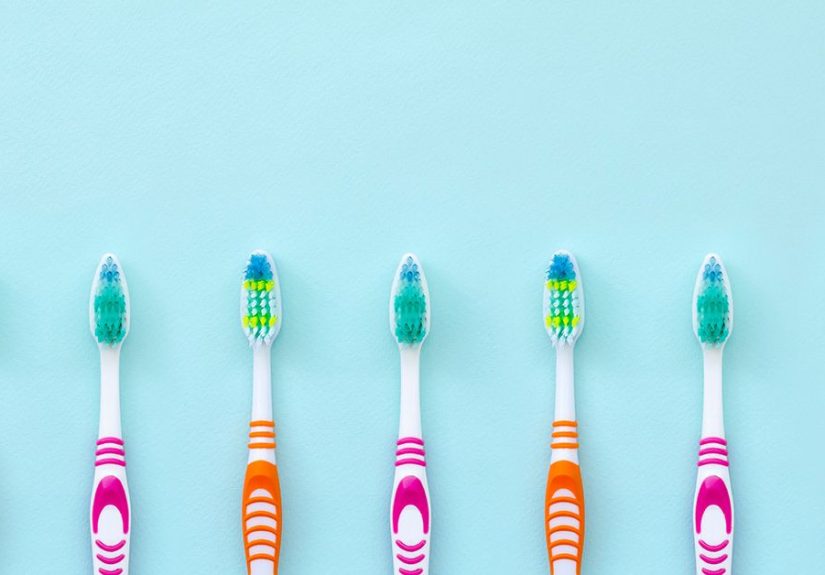
- Rinse the filter under hot water. Use an old toothbrush for the mesh if needed (gentle, not rage-brush).
- Wipe the door gasket and lower lip (the rubber seal and the hidden rim). This is where sludge throws parties.
- Check spray arms: pop them off if your model allows, rinse, and poke clogged holes with a toothpick.
- Run a hot cycle with a dishwasher cleaner or a cup of white vinegar on the top rack (no dishes inside).
Pro tip
If your area has hard water, finish with a rinse-aid refill. It helps reduce mineral spotting and filmespecially on glassware.
Safety note
Don’t mix vinegar with bleach-based cleaners. If you use a commercial dishwasher cleaner, use it alone on an empty cycle.
Hack #2: The “Laundry Room Reset” (Washer Gasket, Drawer, and the Surprise Swamp)
If towels smell “clean-ish” but also like a wet dog auditioning for a candle commercial, your washer likely has detergent buildup,
trapped moisture, and biofilm (the slimy layer bacteria love). It’s not your imaginationsome washers, especially front-loaders,
are great at holding onto water in sneaky places.
Why it works
Too much detergent + low-temperature washes can leave residue that feeds odor-causing bacteria. Cleaning the gasket and detergent drawer
removes the goo that normal wash cycles don’t touch.
Do this monthly
- Wipe the rubber gasket (front-loaders): pull it back and wipe inside folds with a microfiber cloth.
- Remove and wash the detergent drawer in hot, soapy water. Rinse and dry before reinserting.
- Run a maintenance cycle on the hottest setting with a washer cleaner (or oxygen bleach if your machine allows).
- Leave the door cracked after loads to let moisture evaporate.
Pro tip
Use the detergent dose your machine actually needs (often less than the cap suggests). “More soap” doesn’t mean “more clean.”
It often means “more residue.”
Hack #3: Degrease Like a Grown-Up: Use a Dishwasher Tablet for Range Hoods & Grates
Stove grates and range hood filters are where grease goes to become an Olympic-level clinger. Sprays help, but the real win is soaking
with something designed to break down baked-on food: dishwasher detergent.
Why it works
Dishwasher detergents are typically alkaline and formulated to cut grease and protein residues in hot water. The tablet format gives you
concentrated cleaning power without needing a dozen separate products.
Do this for greasy parts
- Fill a sink or tub with very hot water (wear gloves if you’re sensitive to heat).
- Drop in one dishwasher tablet and let it dissolve.
- Soak metal hood filters (and sturdy grates if they fit) for 20–30 minutes.
- Scrub lightly with a non-scratch sponge, rinse thoroughly, and dry.
Where not to use it
Avoid this on aluminum pieces if the manufacturer warns against harsh detergents (some aluminum can discolor). When in doubt, spot-test.
Hack #4: The Two-Bucket Method for Floors (Because Your Mop Water Is Lying to You)
If your floors look clean while wet but dull and sticky when dry, here’s the plot twist: you may be spreading dirty water around and leaving
soap behind. A single bucket turns your mop into a grime paintbrush.
Why it works
One bucket for cleaning solution and one bucket for rinsing keeps dirt from getting re-deposited. It’s the same logic professionals use
when they detail carsbecause nobody wants to polish with mud.
Do this instead
- Bucket A: warm water + floor-safe cleaner (follow label dilution).
- Bucket B: plain warm water for rinsing the mop.
- Dip mop in Bucket A, clean a small section, then rinse mop in Bucket B before going back to Bucket A.
- Change rinse water when it starts looking like weak coffee.
Bonus move
Finish with a quick pass using clean water only (especially on tile and vinyl). Less residue = less “re-dirt” later.
Hack #5: Hard Water Stains Don’t Need a Wrestling MatchThey Need the Right Acid (Used Correctly)
White crust on faucets, shower doors, and kettle spouts is usually mineral scale (calcium and magnesium) from hard water.
Scrubbing helps, but chemistry helps more. A mild acid breaks minerals down so you can wipe them away instead of sanding your fixtures
into a sad little stump.
Why it works
Mineral deposits are alkaline. Mild acids like white vinegar or citric acid react with the scale and loosen it.
The goal is dissolve, not destroy your elbows.
Do this for faucets and showerheads
- Soak a paper towel or cloth in white vinegar.
- Wrap it around the crusty area and let it sit 20–30 minutes.
- Wipe, then rinse well with water and buff dry.
For glass shower doors
Use a scale remover made for glass or a vinegar-and-water solution, then rinse thoroughly.
Afterward, use a squeegee after showers to slow the comeback tour.
Important caution
Avoid acids on natural stone (marble, granite, travertine) because they can etch. And never mix acids with bleach-based products.
Hack #6: Make Baseboards (and Walls) Stay Cleaner Longer with an Anti-Static Finish
Baseboards aren’t just dustythey’re dust magnets. Airflow from HVAC and foot traffic kicks particles into the “baseboard zone,” and
static makes dust cling. Cleaning them is great. Making them repel dust is better.
Why it works
After you remove grime, a light anti-static wipe can reduce dust attraction and help future dust slide off instead of sticking.
This is a “work smarter” hack, not a “buy seven new gadgets” hack.
Do this (quick and satisfying)
- Clean first: vacuum the baseboard edge, then wipe with warm water + a drop of dish soap.
- Dry completely.
- Finish with one light pass using a dryer sheet or a microfiber cloth barely dampened with a tiny amount of diluted fabric softener.
Where to skip it
If you have pets that rub along walls or small kids who touch baseboards constantly, keep it simple: clean + dry + microfiber buff.
You can still get a smoother finish without extra residue.
Hack #7: Odor Removal Isn’t a SprayIt’s a Two-Step: Remove Residue, Then Neutralize
Most “odor eliminators” are basically perfume with confidence. If your trash can, fridge, couch, or gym bag smells, the source is usually
residue feeding bacteria. The fix is a one-two punch: remove what’s feeding the smell, then neutralize what’s left.
Why it works
Odors often come from organic material and microbes. Cleaning removes the source; deodorizing neutralizes lingering compounds.
Doing only one step is like trying to fix a leaky sink by lighting a candle near it.
Use this approach
- Step 1 (clean): Wash the area with warm water + mild dish soap, then rinse and dry.
- Step 2 (neutralize): Use baking soda (for fabrics and enclosed spaces) or an enzyme cleaner (for pet or food-based odors).
Specific examples
- Trash can: Wash, rinse, dry, then sprinkle baking soda in the bottom or tuck a small open box in a corner.
- Fridge funk: Wipe spills, then leave baking soda inside to absorb odors. Don’t use it as a substitute for cleaning spills.
- Upholstery: Lightly sprinkle baking soda, let sit 15–30 minutes, then vacuum thoroughly. Spot-test first.
- Pet accidents: Enzyme cleaner works better than “fresh linen mist” because it breaks down the smelly compounds.
Safety note
If you’re disinfecting (not just cleaning), follow product label directions carefully, including contact time and ventilation.
And store cleaners safely away from children and pets.
Small Habits That Make These Hacks Work Even Better
Hacks are great, but habits are the cheat codes that keep your house from snapping back to chaos by Tuesday.
Try these low-effort upgrades:
- Clean top to bottom: Dust falls. Don’t make yourself do the same work twice.
- Dry surfaces after cleaning: Many streaks and water spots are just leftover moisture plus minerals.
- Use microfiber correctly: Fold it into quarters and rotate to a clean side before it gets saturated.
- Label your “special cloth” pile: One for glass/mirrors, one for bathrooms, one for kitchen grease. Cross-contamination is not a personality trait.
Extra: of Real-World “Yep, That Happened” Cleaning Experiences
Let’s talk about the part cleaning articles usually skip: what happens in real homes when you try to keep things tidy while also having
a job, a life, and maybe a dog that treats mud like a skincare routine. These seven cleaning hacks shine because they’re built for reality,
not a perfectly staged kitchen where nobody ever fries bacon or spills coffee.
Take the dishwasher, for example. Plenty of people assume that if a machine washes plates, it must also wash itself. Then one day the glasses
come out cloudy, the “clean” forks feel gritty, and there’s a smell that can only be described as “warm pond.” The moment someone finally
discovers the filter (often by accident, while trying to rescue a rogue popcorn kernel), it’s equal parts horror and relief. Horror becausewow.
Relief because the fix is simple: rinse, brush, wipe the gasket, and suddenly the dishwasher stops acting like it’s on strike.
Washers can be just as sneaky. A lot of households get trapped in the “more detergent = more clean” myth, especially when laundry smells off.
But that extra soap can leave residue that clings to fabric and the inside of the machine. People often notice it with towels first:
they come out looking fresh but smelling… not fresh. After a quick gasket wipe and a hot maintenance wash, it’s common to hear some version of,
“Wait, THIS is what towels are supposed to smell like?” (Answer: yes, like nothing. Clean laundry is not supposed to have a personality.)
The range hood and grates hack is another crowd-pleaser because grease is emotionally exhausting. You can scrub and scrub and still feel like the
grime is mocking you. The first time someone soaks a filter and watches the water turn an alarming shade of “fast-food fryer,” it becomes a core
memory. Not a glamorous one, but a useful one. It’s also the moment many people realize their kitchen doesn’t need harsher chemicalsit needs
time and the right cleaner doing the work in hot water.
Floors are where people get betrayed the most. You mop, it looks great… then it dries sticky, dull, or streaky. That’s usually not “bad floors.”
That’s dirty water and leftover soap. Switching to the two-bucket method feels slightly extra at first, like you’re training for the Cleaning Olympics,
but the payoff is real: the floor stays cleaner longer, and your socks stop collecting mystery grime like they’re magnetized.
And baseboardsoh, baseboards. They’re the house’s “invisible” chore until you notice them, and then you can’t unsee the dust line. The anti-static
finish trick is the kind of thing people adopt after one too many “why is this dirty again?” moments. Once you wipe them down and notice the dust
doesn’t come back immediately, it feels like you just unlocked a hidden level.
The best part? These hacks don’t require a dramatic lifestyle overhaul. They’re small upgrades that stop the cleaning cycle from repeating itself.
And when cleaning stops being repetitive punishment and starts being “quick wins,” it’s way easier to keep a home feeling fresheven when life
is doing what life does: making messes.
Wrap-Up: Clean Smarter, Not Harder
The most effective house cleaning tips usually aren’t flashythey’re the ones that deal with hidden buildup, prevent residue, and reduce how fast
dust and grime return. If you try just one thing this week, make it the dishwasher filter or the washer gasket. Those two alone can make your home
feel cleaner without you doing extra “cleaning hours.”