Table of Contents >> Show >> Hide
- Before You Raid Your Kitchen: A Quick Reality Check
- 1. Calm Breakouts with Diluted Tea Tree Oil
- 2. Soothe Angry Pimples with Aloe Vera Gel
- 3. Spot-Treat Pimples with Raw Honey
- 4. Refresh Your Skin with Green Tea (Inside and Out)
- Bonus: Everyday Habits That Make Any Home Remedy Work Better
- When You Should Skip DIY and See a Dermatologist
- Real-Life Experiences & Extra Tips for Treating Pimples at Home
- Final Thoughts: Blending Nature with Science for Happier Skin
Few things ruin a good selfie (or a good mood) faster than a bright red pimple popping up the night before something important. While science-backed treatments like benzoyl peroxide and retinoids are still the gold standard for acne, a lot of people also want gentle, natural ways to calm pimples at home without wrecking their skin barrier or their budget.
The good news: some natural ingredients really do have anti-inflammatory, antibacterial, or oil-balancing properties that can support clearer skin. The not-so-good news: they aren’t magic, and using them the wrong way can make things worse. This guide walks you through four dermatologist-informed, evidence-backed natural remedies you can safely try at home, plus practical tips and real-life experiences to help you use them wisely.
Before You Raid Your Kitchen: A Quick Reality Check
What actually causes pimples?
Pimples (acne) happen when pores get clogged with excess oil, dead skin cells, and bacteria (especially Cutibacterium acnes), leading to inflammation, swelling, and sometimes pus. Hormones, genetics, certain medications, friction from clothing, and even high-glycemic diets can all play a role.
That means there’s rarely just one single cause or one single fix. Natural remedies can help calm inflammation, reduce surface bacteria, and support healing, but they won’t “cure” acne overnight, and they’re not a substitute for medical treatment if your acne is severe or scarring.
Smart rules for any home remedy
- Patch test first. Try any new ingredient on a small area (like behind your ear or on your jawline) for 24 hours.
- Less is more. If it stings, burns, or leaves your skin red and hot, rinse it off.
- Avoid harsh experiments. Undiluted essential oils, strong acids, and random kitchen scrubs can damage your skin barrier and worsen acne.
- Be patient. It can take several weeks of consistent care to notice meaningful changes in your skin.
1. Calm Breakouts with Diluted Tea Tree Oil
Tea tree oil is one of the most popular “natural” pimple fighters, and it actually has some science behind it. Studies show that tea tree oil has antibacterial and anti-inflammatory properties and may help reduce the number of acne lesions when used correctly.
Why tea tree oil can help
- Antibacterial: Helps reduce acne-causing bacteria in pores.
- Anti-inflammatory: Can ease redness and swelling around pimples.
- Oil-balancing: Some people notice less shine and fewer clogged pores over time.
How to use tea tree oil safely at home
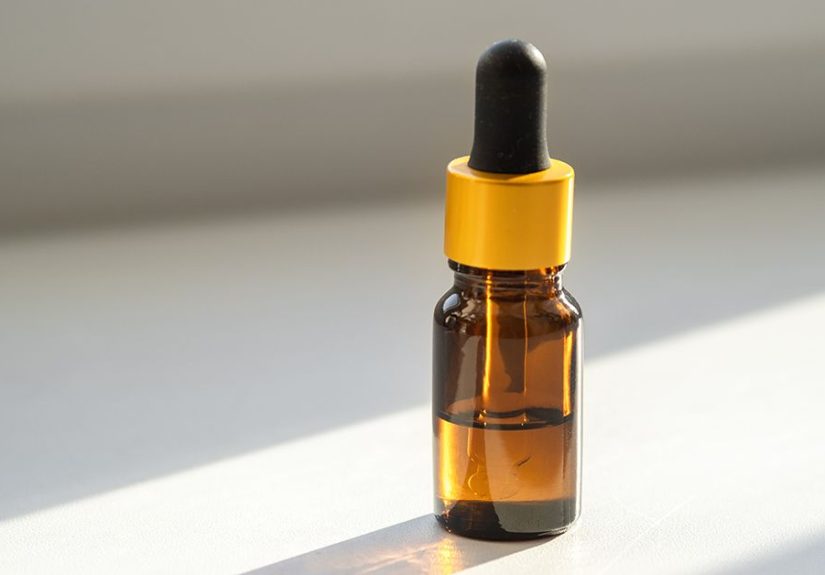
- Choose a 100% pure tea tree essential oil from a reputable brand.
- Always dilute it: mix 1 drop of tea tree oil with 9–10 drops of a gentle carrier oil (like jojoba or squalane). Avoid coconut oil if you’re acne-prone, since it can clog pores for some people.
- After cleansing and drying your face, use a clean cotton swab to dab the diluted mixture directly on individual pimples, not all over your face.
- Start with once a day at night. If your skin tolerates it, you can increase to twice daily.
Never apply undiluted tea tree oil on large areas of your face it can cause irritation, dryness, and even allergic reactions. If you have very sensitive or eczema-prone skin, talk with a dermatologist before using essential oils.
2. Soothe Angry Pimples with Aloe Vera Gel
Aloe vera isn’t just for sunburns. The clear gel inside the leaves is loaded with compounds that soothe inflammation, hydrate skin, and may support healing. Research suggests aloe vera can help reduce redness and support acne treatment, especially when used alongside other therapies.
What aloe vera does for pimples
- Anti-inflammatory: Helps calm red, swollen pimples and overall irritation.
- Hydrating but lightweight: Adds water-based moisture without feeling greasy.
- Supports healing: Antioxidants and vitamins can support skin repair and reduce the look of post-acne marks over time.
How to use aloe vera for clearer skin
Option 1: Fresh aloe leaf
- Wash the leaf and cut off the spiky edges.
- Slice the leaf open and scoop out the clear gel.
- Blend or mash the gel until smooth.
- Apply a thin layer to clean, dry skin as a soothing gel or light moisturizer.
- Leave it on for 15–20 minutes, then rinse, or leave a very thin layer on overnight if your skin tolerates it.
Option 2: Store-bought aloe gel
- Choose a product with a high percentage of aloe vera (ideally 90%+).
- Avoid formulas heavy in alcohol, added fragrance, or comedogenic (pore-clogging) oils.
Aloe is especially helpful if your skin is irritated from other acne products like benzoyl peroxide or retinoids. Just remember: aloe can support acne care, but it doesn’t replace proven medications for moderate to severe acne.
3. Spot-Treat Pimples with Raw Honey
If you’ve ever wondered whether honey does more than sweeten tea, the answer is yes. Raw honey has natural antibacterial and anti-inflammatory properties and has been studied for wound healing and even as a supportive treatment for acne-related bacteria.
Why raw honey can help pimples
- Antibacterial: Honey can inhibit certain acne-causing bacteria.
- Anti-inflammatory: It may reduce redness and swelling around breakouts.
- Humectant: Draws moisture into the skin, supporting a healthy barrier.
Important note: Honey is not a cure for acne. It can help soothe and support healing, but it won’t prevent all future breakouts on its own.
How to use honey as a pimple treatment
Simple spot treatment
- Use raw, unpasteurized honey (Manuka or good-quality raw honey is ideal).
- On clean, dry skin, apply a tiny dot of honey directly to the pimple.
- Leave it on for 15–20 minutes, then rinse with lukewarm water.
Soothing honey mask
- Mix 1–2 teaspoons of raw honey with a little plain yogurt or aloe gel for a smoother texture.
- Apply a thin layer to your face, avoiding the eye area.
- Leave on for up to 15 minutes and rinse thoroughly.
Because honey is sticky and sweet, avoid sleeping with thick layers on your face (ants and pillowcases will both be unhappy). And if you have a known allergy to bee products, skip this remedy entirely.
4. Refresh Your Skin with Green Tea (Inside and Out)
Green tea isn’t just a cozy drink for late-night scrolling. It’s rich in polyphenols especially EGCG that have antioxidant and anti-inflammatory effects. Some research suggests green tea can help reduce sebum production and support acne management when used on the skin or as part of a healthy diet.
How green tea can support clearer skin
- Antioxidant power: Helps neutralize free radicals that contribute to skin inflammation and aging.
- Oil-regulating potential: May help reduce excess oil for some people.
- Soothing: Cooled green tea can calm irritated, flushed skin.
Two easy ways to use green tea for pimples
1. Green tea toner
- Brew a cup of plain green tea and let it steep for 3–5 minutes.
- Cool it completely, then pour into a clean glass bottle or spray bottle.
- After cleansing, apply with a cotton pad or spritz lightly over your face.
- Let it dry, then follow with a gentle, non-comedogenic moisturizer.
2. Green tea lifestyle upgrade
Swapping one sugary drink a day for unsweetened green tea can support overall health and may indirectly help your skin, especially if high-glycemic foods and sugary beverages tend to trigger your breakouts. While studies on diet and acne are still evolving, there’s growing evidence that high-glycemic diets can worsen acne in some people.
Bonus: Everyday Habits That Make Any Home Remedy Work Better
You can’t out-honey or out-aloe a bad skincare routine. These simple, dermatologist-recommended habits can make a bigger difference than most DIY hacks.
Keep your routine gentle and consistent
- Wash twice a day with a mild, non-abrasive cleanser.
- Use your fingertips, not harsh brushes or gritty scrubs.
- Moisturize daily with a lightweight, non-comedogenic moisturizer to protect your skin barrier.
Hands off your face (yes, really)
- Avoid picking, squeezing, or “just checking” your pimples in the mirror.
- Keep your phone screen, pillowcases, and makeup brushes clean they all touch your face more than you think.
Use non-comedogenic products
- Look for labels that say “oil-free”, “non-comedogenic”, or “won’t clog pores”.
- Heavy, greasy products (including some hair serums and oils) can migrate to your forehead, cheeks, and jawline and trigger breakouts.
When You Should Skip DIY and See a Dermatologist
Natural remedies are best for mild, occasional pimples and as gentle support for a solid skincare routine. You should see a dermatologist or other qualified health professional if:
- Your acne is moderate to severe (many inflamed bumps, nodules, or cysts).
- You see scarring or dark marks that aren’t fading.
- Your breakouts are painful or affecting your confidence and quality of life.
- Nothing seems to work, even after 8–12 weeks of consistent care.
Dermatology guidelines strongly support proven treatments like benzoyl peroxide, topical retinoids, and sometimes oral medications for more serious acne. Natural remedies can be a helpful sidekick, but they’re not meant to replace evidence-based care when you really need it.
Real-Life Experiences & Extra Tips for Treating Pimples at Home
If you talk to ten people about how they cleared their skin, you’ll probably hear ten different stories. But certain patterns show up again and again in real-life experiences with natural pimple treatments.
The “I did everything at once” mistake
A common story goes like this: someone gets desperate, slathers on undiluted tea tree oil, scrubs with sugar, tries a baking soda mask, uses toothpaste as a spot treatment, and then wonders why their skin feels like it survived a sandstorm. The lesson? More products do not equal more progress. Over-stripping and over-treating disrupt your skin barrier, making it more likely to break out and stay inflamed.
A better approach is choosing one natural remedy at a time and giving it space to work. For example, you might introduce diluted tea tree oil as a spot treatment while keeping the rest of your routine simple: gentle cleanser, lightweight moisturizer, and sunscreen in the morning. If your skin is calmer after a few weeks, you can decide whether to maintain, adjust, or switch to something like aloe gel.
The slow and steady aloe fan
Many people with sensitive or combination skin find that adding aloe vera gel was their turning point. They didn’t stop having pimples altogether, but they noticed fewer angry, inflamed breakouts and less peeling from other products. Instead of using aloe as a dramatic mask once a week, they used a thin layer daily as a calming, oil-free hydrator.
This reflects a bigger theme: natural remedies often shine as supportive everyday products rather than one-time “miracle cures.” A little bit of aloe, tea, or honey used thoughtfully and consistently can do more good than extreme treatments you only dare to use once.
Honey as a “reset button” for stressed skin
Another experience people share is using raw honey during “skin emergencies” after a bad reaction to a new product, a long flight, or a few too many nights of falling asleep in makeup. A short honey mask (10–15 minutes) can help skin feel softer and less irritated, even if it doesn’t erase every pimple.
Emotionally, this matters more than it sounds. When you feel like your skin is out of control, a simple, gentle step you can do at home like a honey mask or cool green tea compress can make you feel more involved in your own care and less helpless about breakouts.
The lifestyle lightbulb moment
Finally, a lot of people describe an “aha” moment when they connect their lifestyle with their skin. Maybe their breakouts always spike during exam season, after certain high-sugar snacks, or when they stop washing their face before bed. While not every pimple is caused by diet or stress, your skin often reflects what’s going on with the rest of your life.
Simple changes a slightly cleaner diet, more water, consistent sleep, and a modest green-tea habit won’t magically erase acne, but they can make your skin more resilient. Combined with thoughtful natural remedies and (when needed) dermatologist-recommended treatments, these habits often become the quiet heroes of clearer, calmer skin.
Final Thoughts: Blending Nature with Science for Happier Skin
Treating pimples at home doesn’t have to mean choosing between harsh chemicals and questionable kitchen experiments. Ingredients like diluted tea tree oil, aloe vera gel, raw honey, and green tea offer gentle, natural ways to support acne-prone skin especially when paired with good skincare basics and a little common sense.
Use natural remedies to calm and support your skin, not punish it. Listen to how your skin responds, make changes gradually, and don’t hesitate to ask a professional for help if you’re dealing with stubborn, painful, or scarring acne. The goal isn’t “perfect” skin; it’s skin that feels comfortable, healthy, and confidently yours.