
Table of Contents >> Show >> Hide
- Why a Smart Pantry Setup Matters
- 33 Kitchen Pantry Ideas That Make Storage Easier
- 1. Create Zones by Category
- 2. Use Clear Containers for Dry Goods
- 3. Label Everything
- 4. Add Tiered Risers for Cans and Jars
- 5. Install Pullout Shelves
- 6. Use the Back of the Pantry Door
- 7. Dedicate a Snack Station
- 8. Build a Baking Center
- 9. Add Lazy Susans for Small Bottles
- 10. Make Use of Vertical Space
- 11. Store Heavy Items Low
- 12. Put Everyday Essentials at Eye Level
- 13. Use Matching Baskets for Visual Calm
- 14. Try Drawer Dividers for Packets and Bars
- 15. Give Spices a Dedicated Home
- 16. Decant Bulk Buys Thoughtfully
- 17. Add Shelf Liners
- 18. Include a Small Step Stool
- 19. Use Uniform Jars for Open Shelving
- 20. Create a Breakfast Zone
- 21. Add a Coffee or Beverage Nook
- 22. Use Wire Bins for Produce That Stays Out of the Fridge
- 23. Add Hooks or Clips for Lightweight Items
- 24. Store by Frequency, Not Just Type
- 25. Keep an Inventory Spot
- 26. Use Bins for Backstock
- 27. Add Lighting
- 28. Turn a Narrow Cabinet Into a Pullout Pantry
- 29. Mix Open and Closed Storage
- 30. Reserve a Shelf for Appliances
- 31. Rotate Food First-In, First-Out
- 32. Designate a Meal-Prep Shelf
- 33. Leave a Little Empty Space
- How to Choose the Right Pantry Ideas for Your Space
- Real-Life Experience: What Actually Changes When You Improve Your Pantry
- Conclusion
If your pantry currently looks like a cereal box avalanche waiting to happen, welcome. You are among friends. A well-organized pantry is not just a pretty Instagram moment with matching jars and angelic lighting. It is a hardworking storage zone that saves time, cuts food waste, makes meal prep easier, and helps your kitchen feel less chaotic on busy weekdays. Whether you have a roomy walk-in pantry, a slim cabinet beside the fridge, or a couple of shelves bravely pretending to be a pantry, smart design can make every inch work harder.
The best kitchen pantry ideas balance function and personality. You want storage that helps you find the paprika before your onions burn, but you also want the space to feel calm, attractive, and easy to maintain. That means choosing systems that fit your habits, not fantasy habits. If your family tears through snacks like a team of tiny raccoons, plan for grab-and-go bins. If you buy rice, flour, and oats in bulk, make room for airtight containers. If your kitchen is short on square footage, vertical storage, door racks, and pullout shelves can become your secret weapons.
Why a Smart Pantry Setup Matters
A thoughtful pantry setup does more than make shelves look tidy. It helps you see what you already own, rotate older items forward, and store ingredients where they are actually useful. Breakfast foods near the coffee station? Brilliant. Baking supplies grouped together? Even better. Snacks at kid level and party platters up high? That is not just organization. That is strategy.
Great pantry storage also reduces friction. The less digging, shuffling, and muttering you do while looking for ingredients, the more likely your kitchen will work for you instead of against you. With that in mind, here are 33 kitchen pantry ideas for all your storage needs, from tiny cabinet fixes to big walk-in upgrades.
33 Kitchen Pantry Ideas That Make Storage Easier
1. Create Zones by Category
Group similar items together: baking goods, canned foods, breakfast staples, snacks, pasta, oils, spices, and paper products. Zoning keeps your pantry from turning into a random assortment of crackers, vanilla extract, and emotional support popcorn.
2. Use Clear Containers for Dry Goods
Transfer flour, sugar, rice, beans, cereal, and pasta into clear containers. You can instantly see what you have, how much is left, and whether your “backup pasta” situation has quietly become a lifestyle.
3. Label Everything
Labels make storage look polished, but more importantly, they prevent confusion. No one wants to play “Is this powdered sugar or pancake mix?” at 7 a.m. Keep labels simple, readable, and consistent.
4. Add Tiered Risers for Cans and Jars
Tiered shelves lift items in the back so they stay visible. This works especially well for canned soup, beans, tomatoes, and small jars. It turns a crowded shelf into something you can actually scan at a glance.
5. Install Pullout Shelves
Deep shelves are notorious for hiding items in the back. Pullout shelves fix that problem fast. Instead of crouching and excavating like a pantry archaeologist, you can slide everything forward with one motion.
6. Use the Back of the Pantry Door
Door-mounted racks are ideal for spices, oils, packets, wraps, or small snack bins. This often-overlooked surface is valuable real estate, especially in smaller kitchens where every inch matters.
7. Dedicate a Snack Station
Put granola bars, crackers, fruit cups, and lunchbox items in one easy-access zone. A snack station is especially helpful for families because it limits rummaging and keeps the rest of the pantry from being raided daily.
8. Build a Baking Center
Store flour, sugar, chocolate chips, sprinkles, baking powder, parchment paper, and mixing tools together. When baking supplies live in one area, cookie day becomes far less dramatic and much more efficient.
9. Add Lazy Susans for Small Bottles
Turntables are perfect for oils, vinegars, sauces, nut butters, and condiments. Instead of knocking over three bottles to reach one, a quick spin brings everything into view. It is delightfully simple and extremely satisfying.
10. Make Use of Vertical Space
Stackable bins, shelf risers, and tall shelving units help you store more without expanding your footprint. Think upward. Your pantry walls should work almost as hard as your shelves.
11. Store Heavy Items Low
Keep bulk drinks, appliances, large mixing bowls, and oversized bags of pet food or rice on lower shelves. It is safer, easier on your back, and less likely to result in a surprise avalanche of canned tomatoes.
12. Put Everyday Essentials at Eye Level
Reserve the most accessible shelf space for the ingredients you use most often. Coffee, cereal, pasta, lunch supplies, or frequently used spices should not require a ladder or a treasure map.
13. Use Matching Baskets for Visual Calm
Baskets corral loose items and make pantry shelves look cleaner. They are great for chips, potatoes, onions, tea, or backstock supplies. Matching baskets also reduce visual clutter, which makes the whole pantry feel more intentional.
14. Try Drawer Dividers for Packets and Bars
If your pantry has drawers, add dividers for tea bags, seasoning packets, instant oatmeal, candy, or protein bars. Small items disappear easily, and dividers keep them from drifting into total chaos.
15. Give Spices a Dedicated Home
Spices can live on a drawer insert, tiered shelf, pullout rack, or door organizer. The key is choosing one system and sticking with it. When spices are organized, weeknight cooking gets much faster.
16. Decant Bulk Buys Thoughtfully
Bulk shopping saves money, but giant bags are awkward to store. Decant what you use regularly into containers, then keep overflow stock in a clearly marked backstock zone so you can refill without overbuying.
17. Add Shelf Liners
Shelf liners protect surfaces from spills, crumbs, and sticky mystery rings left by honey jars. They also make cleanup easier, which is a blessing because pantry messes have a habit of becoming surprisingly theatrical.
18. Include a Small Step Stool
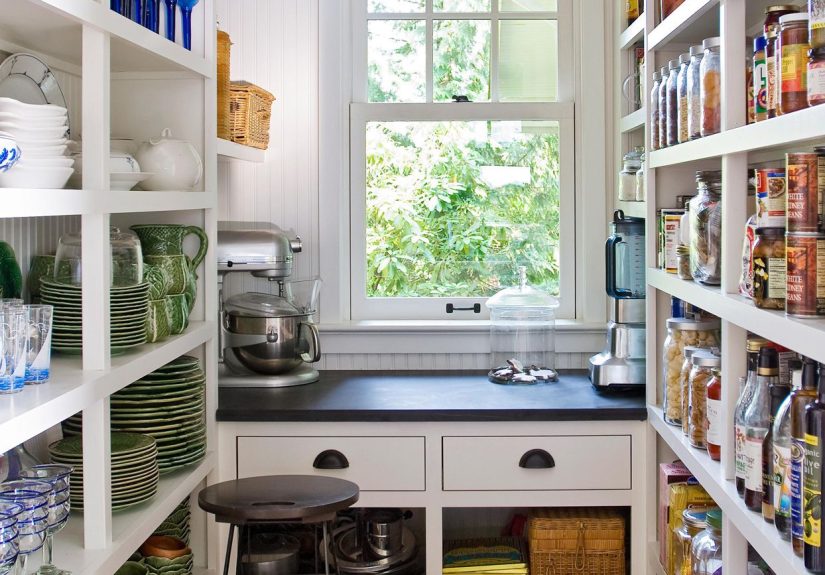
In a tall pantry, a folding step stool lets you safely reach upper shelves. Store seasonal platters, specialty appliances, or extra paper goods up high, then use the stool to access them without risky countertop acrobatics.
19. Use Uniform Jars for Open Shelving
If part of your pantry is visible from the kitchen, uniform jars create a cleaner look. Glass or clear BPA-free containers can make staples look attractive while still being practical for daily use.
20. Create a Breakfast Zone
Group cereal, oatmeal, pancake mix, nut butter, jam, and coffee or tea supplies in one section. A breakfast zone speeds up busy mornings and reduces traffic jams when everyone enters the kitchen at once.
21. Add a Coffee or Beverage Nook
If space allows, turn one shelf area into a drink station with mugs, coffee, tea, filters, sweeteners, and travel cups. It makes mornings smoother and keeps beverage clutter from spreading across the counter.
22. Use Wire Bins for Produce That Stays Out of the Fridge
Onions, garlic, and potatoes often do best in breathable storage. Wire or open-weave baskets promote airflow and help prevent the forgotten potato situation that no pantry truly deserves.
23. Add Hooks or Clips for Lightweight Items
Hooks and clips can hold reusable bags, measuring cups, aprons, or small packages. This is especially useful on interior walls or the back of the pantry door where flat storage solutions shine.
24. Store by Frequency, Not Just Type
Yes, categories matter. But so does behavior. Holiday sprinkles and once-a-year roasting pans should not be blocking your weekday pasta or your favorite soup pot. Let real life shape the layout.
25. Keep an Inventory Spot
A simple notepad, chalkboard, or magnetic list helps track staples you are running low on. This reduces duplicate purchases and cuts down on the classic “I bought cumin again, somehow” problem.
26. Use Bins for Backstock
Backstock bins are perfect for refills, duplicates, and warehouse-store extras. Keep them on higher or lower shelves so prime pantry space stays focused on the items you use every day.
27. Add Lighting
Good pantry lighting makes a big difference. Battery-operated puck lights or built-in LED strips help you see deep shelves clearly. A brighter pantry feels bigger, cleaner, and far less mysterious.
28. Turn a Narrow Cabinet Into a Pullout Pantry
Small kitchens can benefit from slim pullout pantry units beside the refrigerator or range. These narrow spaces are excellent for spices, oils, canned goods, and boxed items that do not need a full shelf.
29. Mix Open and Closed Storage
Some items look great on display, while others are best hidden. Combine baskets, bins, drawers, and open shelves to keep necessities easy to reach without forcing every item to become decor.
30. Reserve a Shelf for Appliances
Small appliances like blenders, mixers, air fryers, or slow cookers can overwhelm kitchen counters. If your pantry has strong lower shelves, dedicate one area to appliances you use often but do not want on display.
31. Rotate Food First-In, First-Out
Move older products to the front and newer items to the back. This simple habit helps reduce waste, especially with canned goods, snacks, grains, and baking ingredients that quietly linger for months.
32. Designate a Meal-Prep Shelf
Store lunch containers, snack bags, wraps, foil, parchment, and prep bowls together. A meal-prep shelf streamlines weeknight cooking and makes school or work lunches much easier to assemble.
33. Leave a Little Empty Space
Not every shelf needs to be packed solid. Breathing room makes a pantry easier to maintain, easier to clean, and easier to restock. Sometimes the smartest storage move is simply not overfilling the space.
How to Choose the Right Pantry Ideas for Your Space
The best pantry organization ideas depend on your kitchen layout, shopping style, and cooking habits. A walk-in pantry may benefit from zones, open shelving, baskets, and lighting. A reach-in pantry might need pullouts, door racks, and airtight containers. A pantry cabinet may work best with risers, drawer inserts, and stackable bins.
Start with your biggest storage frustrations. Do you lose track of ingredients? Use clear containers and labels. Do deep shelves hide things? Add pullout trays or tiered risers. Is the pantry full of random snacks and lunch items? Create bins by category. The smartest kitchen pantry storage is not always the fanciest. It is the system you will actually keep using.
Real-Life Experience: What Actually Changes When You Improve Your Pantry
One of the most noticeable changes after organizing a pantry is how much calmer the kitchen feels. Before a pantry reset, cooking often starts with friction. You open the door, stare for a second too long, move three boxes, find two expired taco kits, and suddenly dinner feels like a negotiation. After the pantry is organized, that same moment feels totally different. You know where the pasta is, you know where the tomato sauce is, and you are not wondering whether you accidentally bought six cans of chickpeas again. The room works with you instead of against you.
There is also a surprising financial benefit. Once people can clearly see what they own, they usually waste less food and buy fewer duplicates. That matters more than many homeowners expect. A tidy pantry often reveals half-used bags of rice, extra jars of peanut butter, and enough spaghetti to survive several minor emergencies. Visibility changes shopping habits. You stop buying from memory and start buying with confidence.
Families often notice behavior changes, too. Kids are more likely to put things back when snack bins are labeled and easy to reach. Partners are more likely to help when the pantry setup is obvious and logical. Even guests can find a coffee mug or tea bag without opening every cabinet like they are solving a puzzle show challenge.
Another real-world advantage is speed. A well-planned pantry can shave minutes off breakfast, lunch packing, and weeknight dinner prep. That may not sound dramatic, but on busy mornings, a few saved minutes feel enormous. The breakfast shelf becomes your best friend. The baking zone saves holiday sanity. The pullout shelf stops canned goods from disappearing into the dark and reappearing three months later like pantry folklore.
Perhaps the biggest lesson people learn is that perfection is not the goal. The prettiest pantry on the internet is not necessarily the most useful one in real life. Some households need labeled acrylic bins. Others need sturdy baskets, a snack drawer, and one honest shelf for backup paper towels. Good pantry design is personal. The goal is not to create a museum for lentils. It is to build a storage system that supports the way you cook, shop, eat, and live.
Once that happens, the pantry becomes more than a storage closet. It becomes part of the rhythm of the home. And honestly, that is a pretty great return on a few labels, a couple of bins, and one very hardworking Lazy Susan.
Conclusion
The best kitchen pantry ideas are the ones that make daily life easier. Whether you use clear containers, door racks, pullout shelves, baskets, or a full zone-based system, smart pantry storage can transform even the most overstuffed space into something functional and easy to maintain. Start small, choose solutions that fit your habits, and build a pantry that helps your kitchen run better every single day.