Table of Contents >> Show >> Hide
Note: This guide is written for general bathroom-remodel education in standard American English. Actual performance depends on the tile’s finish, rating, installation quality, waterproofing, and maintenance routine.
Shopping for bathroom tile can feel a little like online dating. Everything looks amazing in the photos, every option claims to be “low-maintenance,” and then three swatches later you’re somehow debating whether your future self is the kind of person who reseals natural stone every year. The good news? You do not need an unlimited budget to build a bathroom that looks polished, practical, and expensive in all the right ways.
The smartest way to choose bathroom tile is to balance four things: water resistance, slip resistance, maintenance, and price. Some tiles are workhorses that quietly survive wet feet, shampoo explosions, and the occasional dropped hair tool. Others are gorgeous divas that absolutely deserve attention but demand a little more care in return. Neither is wrong. You just need to know what you’re signing up for before the grout goes in.
Below are 14 types of bathroom tiles for every budget, from wallet-friendly basics to luxury splurges. Whether you are redoing a tiny powder room, upgrading a busy family bathroom, or giving your primary bath a spa-day personality, this guide will help you choose with confidence and maybe even a little swagger.
What Matters Most When Choosing Bathroom Tile?
Before we jump into the tile lineup, let’s talk strategy. Bathrooms are not like other rooms. They deal with steam, puddles, humidity, soap residue, and daily foot traffic. That means the “prettiest tile in the showroom” is not always the right tile for your floor or shower.
- For shower walls: prioritize water resistance and easy cleaning.
- For shower floors: prioritize slip resistance and good drainage.
- For bathroom floors: choose durable tile with a finish that is less slick when wet.
- For backsplashes and accent walls: you have more room to get decorative and dramatic.
- For budget control: save premium tile for small focal areas and use affordable tile elsewhere.
One more thing: grout matters almost as much as tile. A brilliant white grout can look crisp on day one and suspicious by month three if the room gets heavy use. A softer gray or warm beige grout often ages more gracefully and hides everyday life a lot better. In other words, choose grout like someone who has met toothpaste before.
14 Types of Bathroom Tiles for Every Budget
1. Ceramic Tile
Best for: budget-friendly walls, light-to-moderate traffic floors, tub surrounds, guest bathrooms
Typical budget range: low to moderate
Ceramic tile is the reliable best friend of bathroom design. It is widely available, easy to clean, and usually more affordable than porcelain or natural stone. If you want a stylish bathroom without spending like you are adopting a Roman villa, ceramic is a strong place to start.
It comes in countless colors, shapes, and patterns, making it ideal for homeowners who want flexibility. Glossy ceramic works beautifully on walls because it bounces light and wipes down easily. Matte ceramic can work on floors, but always check that the finish is suitable for wet areas.
Watch out for: Ceramic is generally more porous and less dense than porcelain, so it is not always the top performer for high-moisture, high-traffic spaces.
2. Porcelain Tile
Best for: bathroom floors, shower walls, busy family bathrooms, high-moisture spaces
Typical budget range: low-mid to high, depending on design
Porcelain tile is ceramic’s tougher, more gym-committed cousin. It is denser, less porous, and usually better suited to bathrooms that see heavy daily use. If your bathroom gets real action instead of occasional polite visits, porcelain is often the smartest upgrade.
It also comes in designs that mimic marble, concrete, wood, slate, and other expensive materials, which is excellent news for anyone with luxury taste and a very mortal budget. Large-format porcelain, in particular, can make a bathroom feel bigger and cleaner because it reduces grout lines.
Watch out for: It can cost more than ceramic and may be harder to cut and install.
3. Vinyl Tile
Best for: ultra-budget bathroom floors, quick refreshes, DIY remodels, rental-friendly updates
Typical budget range: low
Purists may clutch their sample boards, but vinyl tile absolutely deserves a mention for budget-minded bathrooms. Modern vinyl tile and luxury vinyl tile can mimic ceramic, stone, or wood surprisingly well, and it is softer underfoot than traditional tile.
If your main goals are affordability, fast installation, and low fuss, vinyl tile can be a practical win for bathroom floors. It is especially useful in secondary bathrooms, powder rooms, or fast cosmetic upgrades. Just keep expectations realistic: it does not deliver the same prestige or long-term resale punch as real tile.
Watch out for: It is not the right choice for inside shower pans or areas with constant direct water exposure.
4. Subway Tile
Best for: shower walls, backsplashes, timeless bathroom designs
Typical budget range: low to moderate
Yes, subway tile is technically more of a format than a material, but it is such a bathroom classic that skipping it would be like discussing pizza and forgetting cheese. Subway tile is usually rectangular and most commonly made from ceramic or porcelain. It works with almost every style: classic, farmhouse, coastal, transitional, modern, and “I want this room to still look good in ten years.”
You can keep it traditional with horizontal brick lay, or switch things up with vertical stack, herringbone, or offset layouts. It is a budget hero because even basic subway tile can look sharp when paired with thoughtful grout and good lighting.
Watch out for: Too much plain white subway tile without contrast can feel generic if the rest of the bathroom lacks personality.
5. Mosaic Tile
Best for: shower floors, accents, niches, borders, statement details
Typical budget range: moderate to high
Mosaic tile is the jewelry of the bathroom. It comes in tiny pieces mounted on mesh sheets and can be made from ceramic, porcelain, glass, stone, or a mix of materials. It is especially useful on shower floors because the many grout lines can improve traction and help the tile follow the slope toward the drain.
Mosaic tile is also perfect for niche backs, vanity walls, or decorative bands that give the bathroom a custom look without requiring a full-room splurge.
Watch out for: More grout lines mean more cleaning. Gorgeous? Yes. Lazy-cleaner friendly? Less so.
6. Glass Tile
Best for: backsplashes, accent walls, niche details, decorative shower walls
Typical budget range: moderate to premium
Glass tile brings shine, light reflection, and a crisp, polished finish that can make smaller bathrooms feel brighter. It is especially pretty in powder rooms or in bathrooms where you want a little glamour without going full chandelier-and-champagne.
Because it reflects light so well, glass tile can visually open up compact spaces. It pairs beautifully with neutral ceramic or porcelain fields, giving you that “designer touched this” feeling with less square footage of expensive material.
Watch out for: It can show water spots, soap residue, and fingerprints more easily than matte materials.
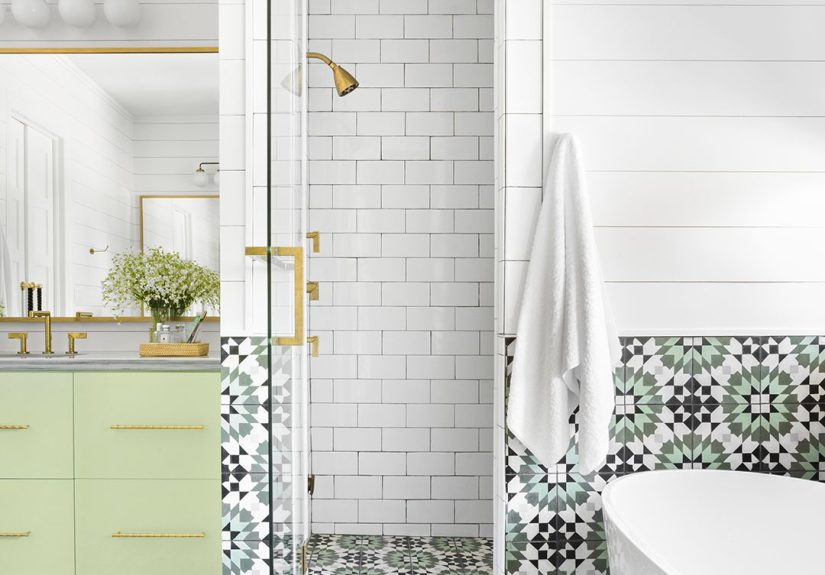
7. Cement Tile
Best for: statement floors, powder rooms, feature walls, vintage-inspired spaces
Typical budget range: moderate to high
Cement tile is bold, artistic, and full of personality. If plain bathroom tile makes you yawn, cement tile may wake you right up. It often features rich patterns, old-world motifs, and handcrafted appeal that instantly adds character.
It works especially well in powder rooms or as a feature floor in bathrooms where you want visual impact. If the rest of the room is simple, cement tile can do all the heavy lifting and make the space memorable.
Watch out for: Cement is porous and typically needs sealing and regular maintenance. It is not the “install it and forget it” option.
8. Quarry or Terracotta Tile
Best for: rustic accents, dry-zone bathroom areas, earthy design schemes
Typical budget range: low to moderate
Quarry and terracotta-style tile bring warmth that many cooler tile materials simply cannot fake. They work beautifully in bathrooms that lean Mediterranean, Spanish, farmhouse, or organic-modern. If you want your bathroom to feel less like a sterile box and more like a warm retreat, these tiles can do the trick.
Their earthy color variation is part of the charm, and they pair especially well with wood vanities, brass fixtures, and plaster-like wall finishes.
Watch out for: These tiles are generally more porous, so they are better for lower-splash or decorative applications unless properly sealed and specified for wet use.
9. Pebble Tile
Best for: shower floors, spa-inspired bathrooms, texture-rich accents
Typical budget range: moderate
Pebble tile is what happens when your shower floor decides to go on a wellness retreat. Made from small rounded or sliced stones attached to mesh backing, pebble tile creates a natural, tactile surface that looks relaxed and high-end at the same time.
It is popular for shower floors because the texture can improve slip resistance, and it instantly adds a spa vibe. Used thoughtfully, it can turn a standard shower into a much more custom-feeling space.
Watch out for: Uneven surfaces and extra grout can mean more scrubbing, and poor installation can create drainage headaches.
10. Marble Tile
Best for: luxury bathrooms, statement walls, elegant floors, upscale accents
Typical budget range: premium
Marble is the classic beauty queen of bathroom tile. It has natural veining, visual depth, and a timeless elegance that instantly signals luxury. Even a small amount of marble can elevate a bathroom from nice to “please do not hand me a paper towel in this room.”
It is especially striking on walls, vanity backsplashes, or feature panels. If you love the look but not the maintenance, marble-look porcelain can give you a similar vibe at a friendlier price and with less stress.
Watch out for: Real marble is porous, can etch or stain, and usually requires more careful cleaning and sealing.
11. Travertine Tile
Best for: warm, classic bathrooms, rustic-luxe styles, natural stone lovers
Typical budget range: moderate to premium
Travertine offers a softer, warmer stone look than many other natural options. It is a strong fit for bathrooms that aim for a cozy, upscale atmosphere rather than a sleek showroom feel. Creamy beiges, taupes, and subtle movement make it easy to pair with wood, bronze, or aged brass finishes.
Travertine can look expensive without always reaching marble-level pricing, which makes it appealing to homeowners chasing a luxury effect with a bit more restraint.
Watch out for: It is still natural stone, which means pores, sealing, and a maintenance commitment are part of the deal.
12. Slate Tile
Best for: bathroom floors, earthy modern spaces, textured natural looks
Typical budget range: moderate to premium
Slate tile is rugged, handsome, and full of texture. If polished marble is the dressed-up sibling, slate is the one wearing a cashmere sweater and excellent boots. Its naturally varied surface can make it a strong candidate for bathroom floors, especially when you want traction and visual depth.
Slate works beautifully in organic, rustic, industrial, and mountain-inspired interiors. Dark slate can feel dramatic; lighter tones can feel sophisticated and grounded.
Watch out for: It may require sealing, and some slate can flake or vary significantly in texture depending on quality.
13. Limestone Tile
Best for: soft, serene bathrooms, natural-toned designs, understated luxury
Typical budget range: moderate to premium
Limestone tile has a subtle, muted elegance that feels calm rather than flashy. If you love quiet luxury, this is your tile. It often comes in pale neutrals that help a bathroom feel airy and refined without screaming for attention.
It is a smart visual choice for people who want a natural stone bathroom that feels soft and tailored instead of dramatic and highly veined.
Watch out for: Like other natural stones, limestone is porous and needs appropriate sealing and maintenance.
14. Granite Tile
Best for: high-end floors, durable vanity areas, bathrooms needing toughness and polish
Typical budget range: premium
Granite tile is durable, hard-wearing, and visually rich. It is often associated with countertops, but it can also perform beautifully as bathroom tile when you want the strength of stone with a more substantial, upscale feel.
For homeowners who want natural stone but worry about softness or wear, granite can be a reassuring option. It tends to suit traditional, luxe, or dramatic bathroom designs particularly well.
Watch out for: It usually costs more, and some polished finishes can be slippery on floors if you are not careful.
How to Match Tile to Your Budget
Low Budget
If you want the most value per dollar, start with ceramic tile, basic porcelain, vinyl tile for floors, and classic subway tile. These options can look remarkably polished when you keep the palette simple and the installation pattern intentional. A clean white or soft greige tile with a contrasting vanity can look far more expensive than it is.
Mid-Range Budget
This is where bathrooms start to get really fun. You can mix porcelain field tile with mosaic shower floors, add a glass or patterned niche, or choose cement tile for a focal floor. A mid-range budget lets you bring in texture and custom details without going full luxury-spa invoice.
Premium Budget
If you have room to splurge, natural stone opens the door to marble, granite, slate, travertine, and limestone. Premium budgets also allow for higher-end mosaics, better waterproofing systems, and more detailed layouts. The result can be stunning, but remember: luxury materials often come with luxury maintenance expectations.
Smart Bathroom Tile Tips Before You Buy
- Choose floor finishes carefully. Matte, textured, or smaller-format floor tile often gives better grip than highly polished surfaces.
- Use expensive tile strategically. Put the splurge tile in niches, vanity walls, or shower accents instead of the entire room.
- Ask about maintenance. Natural stone and cement can be beautiful, but they are not casual relationships.
- Buy extra material. Ordering around 10% to 15% extra is smart for cuts, waste, and future repairs.
- Think about grout color early. Grout can change the whole look of the tile, and it definitely changes how often you notice dirt.
- Do not ignore scale. Large-format tile can make a small bathroom feel calmer, while smaller tiles can add energy and traction in the right spots.
Conclusion
The best bathroom tile is not always the most expensive one. It is the one that fits your budget, your cleaning tolerance, your style, and your real life. Ceramic and porcelain remain the everyday champions because they are versatile, durable, and easy to live with. Mosaic, glass, and subway tile bring style without instantly wrecking the budget. Natural stone adds serious beauty, but it asks for commitment in return.
If you want a simple rule of thumb, here it is: choose practical tile for the large surfaces and expressive tile for the small moments. That formula works in bathrooms of almost every size and almost every price range. A smart mix of performance and personality will always beat a bathroom that looks fancy in photos but becomes annoying by Tuesday.
So yes, pick the tile you love. Just make sure it also loves humidity, wet feet, and the occasional chaos of daily life. That is the kind of bathroom romance that actually lasts.
Experience-Based Lessons: What Homeowners Usually Learn After Living With Bathroom Tile
Once a bathroom is finished and the excitement of the remodel wears off, people start noticing what actually matters day to day. The first lesson is that floor texture matters more than most homeowners expect. A glossy floor tile may look sleek in the showroom, but after the first steamy shower, many people wish they had gone with something more matte or textured. Bathrooms are not museum displays; they are wet, busy rooms where practical comfort often wins over dramatic shine.
The second lesson is that grout has a personality. Tiny mosaic floors can look amazing, especially in showers, but all those grout lines need attention. Homeowners often love the visual detail and slip resistance, then realize that upkeep depends heavily on grout color and cleaning habits. A softer grout shade usually ages more gracefully than bright white, especially in bathrooms used by kids, guests, or people who somehow manage to fling toothpaste farther than basic physics should allow.
Another common experience is surprise at how much tile size affects the feeling of the room. Large-format porcelain can make a bathroom feel calmer, more open, and less visually busy. Smaller tiles, on the other hand, can feel charming and full of texture, but they create more visual movement. Homeowners who want a serene, spa-like effect often end up happiest with bigger tiles on walls and floors, then save smaller decorative pieces for niches or shower floors.
People also learn very quickly that natural stone is beautiful in a very high-maintenance way. Marble, travertine, limestone, and slate can be stunning, but they are not carefree. Homeowners who enjoy materials with natural variation usually think the extra care is worth it. Homeowners who want to spray, wipe, and move on with their lives often end up preferring porcelain that mimics stone. It gives a similar visual effect without requiring the same level of attention, worry, or product research.
Budget-wise, one of the smartest real-world moves is mixing tile types. Many successful bathroom remodels use affordable field tile on the largest surfaces, then add a more expensive accent in a niche, vanity wall, or shower floor. This creates a custom look without making the budget spiral into a dramatic third act. In fact, some of the most expensive-looking bathrooms are not the ones with the priciest materials everywhere. They are the ones where the materials were used thoughtfully.
Finally, homeowners often say the best tile decision is the one they do not have to think about every morning. That usually means the floor feels secure, the walls clean easily, and the room still looks good when the towels are crooked and the mirror needs wiping. A successful bathroom tile choice is not just about style. It is about how the room performs on ordinary weekdays. And honestly, if your tile can survive humidity, soap film, and rushed Monday mornings while still looking great, that is not just good design. That is a household victory.