Table of Contents >> Show >> Hide
- How We Chose the Best Coffee Beans
- 1. Stumptown Holler Mountain – The Balanced Daily Driver
- 2. Intelligentsia Frequency Blend – Sweet Citrus for Pour-Over Fans
- 3. Blue Bottle Beta Blend Medium Roast – Clean and Modern
- 4. Coffee Bros. Espresso Roast – A Reliable Shot (and More)
- 5. Illy Classico Whole Bean – Polished and Consistent
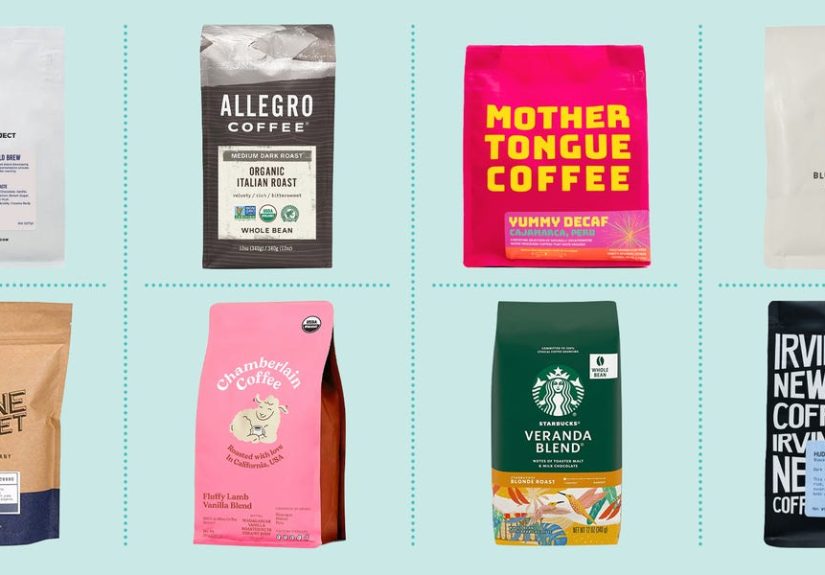
- 6. Allegro Coffee Organic Italian Roast – Organic Value Pick
- 7. Stone Street Knee Buckling Espresso – Dark and Intense
- 8. Peet’s Major Dickason’s Blend – Old-School Comfort Classic
- 9. Bulletproof French Kick – French Press Favorite
- 10. Counter Culture Big Trouble (or Similar Medium Blend) – Sweet and Nutty
- 11. La Colombe Corsica or Nizza – Café-Style Crowd Pleasers
- How to Choose the Right Beans for Your Brew Method
- Freshness, Grinding, and Storage Tips
- Real-World Home Brewing Experiences (Extra Tips and Stories)
- Final Thoughts
If making coffee at home is your love language, the right beans are your grand romantic gesture. In 2023, roasters and grocery shelves were packed with options promising chocolatey notes, floral aromatics, and “just like your favorite café” vibes. The good news: you don’t need a barista certification to pick a great bag. With a little guidance, you can brew café-quality coffee in pajamas and fuzzy slippers.
This guide rounds up 11 of the best coffee beans of 2023 for brewing at home, based on expert taste tests, roasting quality, and how easy they are to work with in everyday brewers like drip machines, pour-over cones, espresso machines, French presses, and cold-brew setups. We’ll break down flavor profiles, ideal brew methods, and who each coffee is best for so you can match beans to your taste and gear.
How We Chose the Best Coffee Beans
Instead of guessing in front of the supermarket wall of beans, we looked at:
- Expert tastings and awards: We prioritized beans that showed up repeatedly in 2023 coffee roundups and taste tests from U.S. food and product publications.
- Roaster reputation: Many of the picks come from specialty roasters known for transparent sourcing, consistent roasting, and strong quality control.
- Freshness and roast style: Whole-bean Arabica coffees roasted for specific brew methods (espresso, drip, pour-over, French press, cold brew) rose to the top.
- Availability and price: You shouldn’t have to stalk obscure imports. All of these can be bought online in the U.S., and most are reasonably priced for specialty coffee.
- Versatility at home: Beans that tasted great across multiple brew methods scored bonus points, because not everyone owns six different coffee gadgets (no judgment if you do).
Now grab your favorite mughere are the 11 best coffee beans of 2023 to brew at home.
1. Stumptown Holler Mountain – The Balanced Daily Driver
Best for: Coffee lovers who want one bag that works for drip, pour-over, and French press.
Holler Mountain from Stumptown shows up often in “best coffee beans” lists for good reason. It’s a certified crowd-pleaser: a medium roast blend that balances sweetness, body, and acidity without getting bitter or smoky. Expect notes of caramel, citrus, and a gentle fruitiness, with enough richness to stand up to milk.
Why it’s great at home: Holler Mountain is very forgiving. If your grind is slightly off or your brew time runs long because the cat walked across the counter, the cup will probably still taste good. It’s an ideal “house coffee” if you want one dependable, high-quality option on your counter.
Best brewing methods: Drip machines, pour-over (V60, Kalita, Chemex), and French press. Use a medium grind for drip and pour-over, and medium-coarse for French press.
2. Intelligentsia Frequency Blend – Sweet Citrus for Pour-Over Fans
Best for: Home brewers who love a bright, modern specialty-coffee profile.
Intelligentsia’s Frequency Blend is a medium roast built for balance and clarity. Tasters often describe it as a “symphony” of coffees from different origins with notes of sweet citrus, milk chocolate, and gentle fruit. It has enough acidity to feel lively but not sour, making it an excellent choice if you like your coffee nuanced rather than heavy.
Why it’s great at home: This blend shines when brewed carefully, so it’s perfect if you enjoy weighing your coffee, timing your pours, and nerding out over extraction. It also makes a lovely iced pour-over in warmer weather.
Best brewing methods: Pour-over, automatic drip, and Aeropress. Aim for a medium-fine grind for pour-over to bring out the citrus notes.
3. Blue Bottle Beta Blend Medium Roast – Clean and Modern
Best for: Drinkers who love clean, sweet cups with a modern specialty feel.
Blue Bottle’s blends are designed to be repeatable and consistent, and Beta Blend delivers exactly that. It’s a medium roast with a focus on claritythink gentle fruit, subtle cocoa, and a smooth finish. It’s less smoky than old-school dark roasts, but still comforting and approachable for people transitioning into specialty coffee.
Why it’s great at home: If you’re sensitive to bitterness and want a coffee that tastes “high-end café” without demanding perfect technique, this is a strong pick. It’s also a solid gateway bean for friends who think all specialty coffee is too light or sour.
Best brewing methods: Pour-over, drip, and manual brewers like the Clever dripper or Kalita Wave.
4. Coffee Bros. Espresso Roast – A Reliable Shot (and More)
Best for: Home espresso machines, latte art practice, and rich moka-pot coffee.
Coffee Bros. built its reputation on approachable, clearly labeled blends. Their Espresso Roast is frequently highlighted as one of the best espresso beans of 2023, especially for people dialing in home machines. It’s a medium-dark roast created for balance: chocolate, caramel, a hint of fruit, and a thick crema.
Why it’s great at home: Espresso can be fussy, but this blend gives you a nice safety net. It’s relatively forgiving to minor grind and dose variations, and it holds flavor well in milk drinks like cappuccinos and lattes.
Best brewing methods: Espresso, moka pot, and Aeropress “espresso-style” recipes. Start with a fine grind and adjust until shots pour in about 25–30 seconds.
5. Illy Classico Whole Bean – Polished and Consistent
Best for: Anyone who wants Italian-style coffee without guesswork.
In taste tests, Illy’s Classico blend often ranks as one of the best overall whole-bean coffees you can buy. It’s a medium roast with classic notes: caramel, toast, and gentle chocolate, with very little harshness. Illy is known for obsessive consistency and high-tech packaging that helps keep beans fresh over time.
Why it’s great at home: If you don’t want to think too hard about origin or processing methods, Illy is like the well-dressed friend who always shows up on time. It pairs reliably with drip machines and stovetop espresso makers, and it’s easy to recommend to guests with varied tastes.
Best brewing methods: Drip, stovetop espresso, and espresso machines that prefer a slightly darker profile.
6. Allegro Coffee Organic Italian Roast – Organic Value Pick
Best for: Shoppers who want organic beans that still fit in a normal grocery budget.
Allegro’s Organic Italian Roast has been named a standout “best value” bean in panel tastings, especially for shoppers who frequent Whole Foods or similar stores. It’s a dark roastthink rich cocoa and toasted sugarwithout tasting burned or ashy when brewed correctly.
Why it’s great at home: This is a dependable, wallet-friendly choice if you like your coffee bold, drink it with cream, or need a darker roast for cold mornings. Because it’s organic and fairly easy to find, it’s also a nice everyday coffee for environmentally minded households.
Best brewing methods: Drip, French press, and cold brew. For French press and cold brew, use a coarse grind to avoid over-extraction and sludge.
7. Stone Street Knee Buckling Espresso – Dark and Intense
Best for: Espresso lovers who want café-style intensity at home.
Stone Street’s Knee Buckling Espresso shows up regularly as a top pick for home espresso in U.S. taste tests. It’s a dark, punchy blend built for thick crema, syrupy body, and classic café flavors: bittersweet chocolate, toasted nuts, and a hint of smoke.
Why it’s great at home: If you love lattes, flat whites, and cortados, you need a coffee that doesn’t disappear in milk. This one cuts through steamed milk beautifully while still tasting smooth enough to sip as a straight shot if you like bold flavors.
Best brewing methods: Espresso machines, moka pots, and iced lattes (pull a strong shot over ice, then add cold milk).
8. Peet’s Major Dickason’s Blend – Old-School Comfort Classic
Best for: Drinkers who want a robust, comforting dark roast that’s easy to find.
Major Dickason’s Blend from Peet’s is a grocery-store staple and a frequent favorite in French press and drip-coffee lineups. It’s a full-bodied dark roast with layered flavorsthink dark chocolate, roasted nuts, and a hint of spicethat hold up nicely to cream and sugar.
Why it’s great at home: Many people start their specialty-coffee journey with this blend because it’s accessible and familiar. It’s also widely available in big-box stores and warehouse clubs, making it a convenient “bulk buy” bean if your household consumes coffee at heroic volumes.
Best brewing methods: French press, drip, and cold brew. Use slightly cooler water (just off the boil) to keep the dark roast from edging into bitterness.
9. Bulletproof French Kick – French Press Favorite
Best for: French press fans who like a smoky, robust cup.
French press focused reviews frequently call out Bulletproof French Kick as a top pick. It’s a dark roast organic coffee designed to deliver a bold flavor without tasting burnt. Expect heavy body, cocoa, and a subtle smokinessperfect for cozy weekend brunch or lazy Sunday mornings.
Why it’s great at home: The French press is one of the most forgiving brewers, and French Kick plays nicely with its strengths. The coarse grind and long steep time bring out its chocolatey depth without turning the cup into charcoal, as long as you don’t let it sit on the grounds for too long.
Best brewing methods: French press, cold brew, and drip for dark-roast lovers.
10. Counter Culture Big Trouble (or Similar Medium Blend) – Sweet and Nutty
Best for: People who want traceable, ethically sourced beans with a sweet, approachable profile.
Counter Culture is one of the most respected U.S. roasters, known for transparency and education. Blends like Big Trouble emphasize caramel and nutty sweetness with moderate acidity. The result is a coffee that tastes incredibly friendly: think toasted nuts, toffee, and soft fruit.
Why it’s great at home: Counter Culture publishes brew guides and provides information about origins and producers, making their beans perfect if you want to understand what you’re drinking. Their blends also tend to perform well on everything from pour-over to automatic drip machines.
Best brewing methods: Drip, pour-over, and batch brewers. Try a 1:16 coffee-to-water ratio as a starting point.
11. La Colombe Corsica or Nizza – Café-Style Crowd Pleasers
Best for: Households that like everything from Americanos to cappuccinos.
La Colombe is frequently highlighted among “best coffee brand” lists thanks to its combination of quality and accessibility. Blends such as Corsica (richer and darker) and Nizza (sweeter and lighter) are designed to work for both espresso and drip, giving you a café-style experience at home without fuss.
Why it’s great at home: These blends are built for versatility. You can brew them as drip coffee in the morning, then pull espresso shots in the afternoon without switching beans. Their flavor profiles are designed to appeal to a wide range of palates, making them ideal “guest coffees.”
Best brewing methods: Espresso, drip, and pour-over. Adjust grind slightly finer for espresso and slightly coarser for drip.
How to Choose the Right Beans for Your Brew Method
Picking great beans is half the battle; matching them to your brew method is the other half. Here’s a quick cheat sheet:
For Pour-Over and Drip Machines
- Look for light to medium roasts with flavor notes like citrus, berries, florals, or milk chocolate.
- Blends such as Intelligentsia Frequency, Blue Bottle Beta Blend, and Stumptown Holler Mountain excel here.
- Use filtered water just off the boil (around 200°F / 93°C) and a medium grind to highlight clarity and sweetness.
For Espresso and Moka Pot
- Choose medium-dark or espresso-labeled blends with notes like cocoa, caramel, and nuts.
- Coffee Bros. Espresso Roast, Stone Street Knee Buckling Espresso, and La Colombe Corsica or Nizza are built for this job.
- Start with a fine grind and tweak until shots land in the right time window and taste balancedno sour “lemon shots,” no harsh burnt flavors.
For French Press and Cold Brew
- Opt for medium-dark to dark roasts with heavy body, like Peet’s Major Dickason’s, Bulletproof French Kick, or Allegro Organic Italian Roast.
- Grind coarse, like sea salt, to avoid over-extraction and gritty sediment.
- For cold brew, steep 12–18 hours in the fridge, then dilute to taste with water or milk.
Freshness, Grinding, and Storage Tips
You can buy the fanciest beans in the world and still end up with sad coffee if you ignore freshness and grind. A few simple habits make a huge difference:
- Buy whole beans when possible. Coffee starts losing aromatics quickly once ground. Grinding just before brewing keeps flavors vivid.
- Use the right grinder. A burr grinder gives more even particle size than a blade grinder, leading to smoother, more predictable cups.
- Store beans smartly. Keep them in an airtight, opaque container at room temperature. Avoid the fridge or freezer unless you’re storing long-term unopened bags.
- Watch the roast date. Many specialty roasters print it on the bag. Beans usually peak from about 4–30 days after roasting for most home brewing.
- Dial in ratios. A simple starting point is 1:16 coffee to water by weight (for example, 25 grams of coffee to 400 grams of water), then adjust stronger or weaker to taste.
Real-World Home Brewing Experiences (Extra Tips and Stories)
The more you brew at home, the more you realize that coffee beans behave like personalities. Some are easygoing, some are dramatic, and some only shine under certain conditions. Here are experience-based insights drawn from home brewers who’ve spent a lot of time experimenting with beans like the ones above.
Finding “Your” House Coffee
Many people end up with a two-bean routine: one “everyone likes it” bag and one “treat yourself” bag. A balanced medium roast such as Stumptown Holler Mountain or Counter Culture Big Trouble often becomes the house coffeesomething you can serve to guests without starting a TED Talk about origin and altitude. Then a brighter, more complex coffee like Intelligentsia Frequency or a limited single origin becomes the special weekend brew when you have time to savor it.
If you’re not sure what your house coffee should be, pay attention to what disappears fastest. The empty bag is your answer.
Learning How Each Bean “Talks” to Your Brewer
Home brewers quickly discover that each bean has a “sweet spot.” Maybe your La Colombe blend tastes incredible in your drip machine but slightly flat in the French press. Maybe your Bulletproof French Kick tastes great as hot French press but turns into a flavor monster when steeped for 18 hours as cold brew. Take notesliterally.
Try this simple experiment: pick one bag and brew it three ways over a week (drip, French press, and pour-over). Keep grind size and ratios roughly appropriate for each method, then jot down which cup you liked best and why. You’ll start seeing patterns: certain beans sing when brewed cleaner and lighter, while others love immersion methods that emphasize body.
Milk, Sugar, and Flavor Notes (No Judgment Zone)
Package flavor notes“nectarine,” “toffee,” “bergamot,” “sugar-plum fairy doing jazz hands”can be intimidating. In real life, your taste buds plus your add-ins will determine what you experience. Darker roasts like Peet’s Major Dickason’s, Allegro Italian Roast, and Stone Street Knee Buckling Espresso hold up extremely well with milk and sweetener. Lighter blends such as Intelligentsia Frequency or Blue Bottle Beta Blend show more of their nuance when you drink them black or with just a splash of milk.
One fun exercise: brew a small cup black, taste it, then add milk and taste again. Notice which flavors appear or disappear. This helps you decide which beans to stock depending on how you prefer to drink your coffee.
Budget vs. Boutique: Where to Spend
Not every cup has to be a boutique single origin roasted three days ago by a person named after a tree. Many home brewers find a happy middle ground by mixing grocery-store classics with specialty bags.
- Use accessible, widely available beans like Peet’s Major Dickason’s or Allegro Organic Italian Roast for everyday, high-volume brewing (office pots, big households, marathon study sessions).
- Save higher-end beans like Intelligentsia, Blue Bottle, or Counter Culture for intentional cups when you can measure, time, and savor.
This approach keeps cost per cup reasonable while still giving you a regular supply of “wow, that’s good” coffee moments.
Dialing In Without Losing Your Mind
It’s easy to fall down the rabbit hole of endless tinkeringchanging grind settings, water temperatures, and pouring patterns until you forget to actually enjoy the coffee. A simple framework can keep things fun:
- Start with a baseline: Medium grind, 1:16 ratio, water just off the boil, and a standard brew time for your method.
- If it tastes sour or thin: Grind a bit finer or brew slightly longer.
- If it tastes bitter or harsh: Grind a bit coarser or brew slightly shorter.
- Change one thing at a time. That way you know which tweak helped.
Most beans on this list are designed to taste good across a range of reasonable parameters, so you don’t need laboratory precision to get delicious results.
Building Your Own Coffee “Playlist”
One of the joys of home brewing is treating coffee like a playlist. Maybe Monday through Friday you stick to familiar tracksyour go-to blend and easy recipes. On weekends, you sample something new: a different roaster, a brighter origin, or a decaf for late-night dessert. Over time, you’ll learn which beans earn a permanent spot in rotation and which ones were fun one-time experiments.
If you keep notes (even just quick comments on your phone), you can flip back through your “coffee history” and see how your taste has evolved. What started with one bag of Major Dickason’s might end with a curated lineup of favorite blends from several specialty roasters.
Final Thoughts
There’s no single “best coffee bean” for every person and every brew method, but the 11 options above give you an excellent starting point for 2023 and beyond. Whether you gravitate toward comfort-first dark roasts, bright and fruity pour-over coffees, or rich espresso blends, you can find a bag that fits your taste, budget, and brewing setup.
Start with one or two that sound appealing, take a few minutes to dial in grind and ratios, and pay attention to what makes you want a second cup. That’s the real definition of “best” coffee at home: the beans that make you excited to get out of bed and press the brew button.
SEO JSON