Table of Contents >> Show >> Hide
- What Makes a Cold-Weather Hunting Product Actually Worth Buying?
- 1. First Lite Men’s Furnace Quarter Zip
- 2. SITKA Blizzard Pro Parka
- 3. SITKA Hudson Bib
- 4. Kenetrek Mountain Extreme 1000
- 5. Smartwool Hunt Classic Edition Tall Crew Socks
- 6. TideWe Heated Hunting Vest
- 7. First Lite Refuge Muff
- 8. HotHands Toe Warmers and Super Warmers
- 9. Petzl ACTIK CORE Headlamp
- 10. Mr. Heater Hunting Buddy Portable Heater
- How to Build the Best Cold-Weather Hunting Setup
- Field Experiences: What Cold-Weather Hunters Learn the Hard Way
- Final Thoughts
Cold-weather hunting has a funny way of turning tough people into philosophers. At 5:12 a.m., while your boots crunch over frozen grass and your nose feels like it has entered a witness protection program, you start asking life’s biggest questions. Why am I here? Why is my coffee already lukewarm? Why do my toes always quit before sunrise?
The truth is, hunting in the cold is not just about grit. It is about gear. Good cold-weather hunting gear keeps you warm without turning you into a bulky marshmallow, keeps sweat from sabotaging your body temperature, and helps you stay still, quiet, and focused when the weather is trying to send you home. That means smart layering, dry feet, dependable heat, and a few small accessories that can rescue a long sit from total misery.
If you are looking for the best products for hunting in the cold, these are the ten picks worth serious attention. Some are built for the hardcore late-season crowd. Others are practical, lower-drama tools that simply make cold hunts more comfortable and more productive. Either way, they all solve a real problem in the field.
What Makes a Cold-Weather Hunting Product Actually Worth Buying?
Before we jump into the list, let’s set one thing straight: warm gear is not always smart gear. The best cold-weather hunting products do four jobs well. First, they manage moisture, because sweat is the sneaky villain of every freezing hunt. Second, they trap heat without adding ridiculous bulk. Third, they protect you from wind, snow, and wet brush. Fourth, they still let you move, draw, climb, glass, or shoulder your pack without sounding like a shopping bag in a wind tunnel.
In other words, the winning formula is not “wear everything you own.” It is “wear the right things in the right order.” That is why this list includes base layers, outerwear, boots, socks, heat accessories, and a few comfort items that make long, icy sits much more manageable.
1. First Lite Men’s Furnace Quarter Zip
Best for: Building a serious cold-weather layering system
If your base layer is weak, the rest of your setup is basically trying to decorate a problem. The First Lite Furnace Quarter Zip is one of the strongest starting points for cold-weather hunts because it is designed for real late-season conditions, not just a brisk walk from the truck to the coffee shop. It uses a heavyweight merino-based fabric that provides insulation, odor control, and the kind of comfort that matters when you are wearing it for long hours.
The quarter-zip design also makes temperature control easier. Hike in, warm up, vent a little, then zip it back up once you settle in. That flexibility matters more than many hunters realize. A good base layer should keep you warm, yes, but it should also stop you from overheating on the move and freezing afterward. This one does both with less fuss than many cheaper alternatives.
2. SITKA Blizzard Pro Parka
Best for: Brutal wind, wet cold, and long late-season sits
Some parkas are warm. Some are weatherproof. The SITKA Blizzard Pro Parka is built to be both, which is exactly what late-season hunters need when the forecast looks rude and the field looks even ruder. This jacket combines premium insulation with waterproof, breathable protection, making it a strong choice for hunters who face snow, sleet, marsh moisture, and teeth-chattering wind.
What makes it stand out is that it is not just a puffy coat in camouflage. It is purpose-built for hunting movement and exposure. If you hunt from a stand, blind, or glassing point where you are mostly stationary for long stretches, a parka like this can preserve your energy and focus. Cold drains attention. Warmth buys patience. Patience fills tags.
3. SITKA Hudson Bib
Best for: Cold, wet hunts where your lower half takes a beating
Hunters often obsess over jackets and then act shocked when their legs become popsicles. The SITKA Hudson Bib is an answer to that very predictable mistake. It pairs waterproof protection with internal warmth and reinforced areas that can handle kneeling, sitting, and repeated abuse in sloppy conditions.
Bibs are especially useful in cold-weather hunting because they seal out drafts better than pants and protect more of your core. On waterfowl hunts, blind hunts, or any all-day sit in miserable weather, that extra coverage is not a luxury. It is survival for your mood. If your torso is layered well but your thighs and seat are losing heat, your whole body will feel it. This bib helps close that gap.
4. Kenetrek Mountain Extreme 1000
Best for: Rugged terrain, cold ground, and hunters who do not trust flimsy boots
Feet are divas in cold weather. Ignore them for an hour, and they will stage a full rebellion. The Kenetrek Mountain Extreme 1000 is built for hunters who need serious support, traction, durability, and warmth in rough country. It is the kind of insulated hunting boot that makes sense when frozen ground, steep climbs, and unpredictable weather are all part of the plan.
What makes this boot attractive is not only warmth, but structure. Cold-weather hunts often mean heavier layers, a loaded pack, and more awkward footing. A supportive boot reduces fatigue and gives you better stability when the terrain gets sketchy. Just remember the golden rule: do not cram your boots too tight with thick socks. If you kill circulation, your fancy insulated boots will become expensive cold boxes.
5. Smartwool Hunt Classic Edition Tall Crew Socks
Best for: Warm, dry feet without sweaty regret
There is no glamorous way to say this: bad socks ruin hunts. The Smartwool Hunt Classic Edition Tall Crew Socks are a smart pick because merino wool remains one of the best materials for managing moisture, regulating temperature, and staying comfortable over long wear. These socks are also built for hunting boots, which matters. A random gym sock is not the same thing, no matter how inspirational it looks in your drawer.
The tall height helps protect your calves and works well with taller boots, while the cushioning improves comfort on long days. Good socks also reduce blister risk, which is a miserable bonus problem no one asks for. In cold weather, your sock choice is not a side note. It is part of your insulation system.
6. TideWe Heated Hunting Vest
Best for: Adding core warmth without turning your arms into stuffed breadsticks
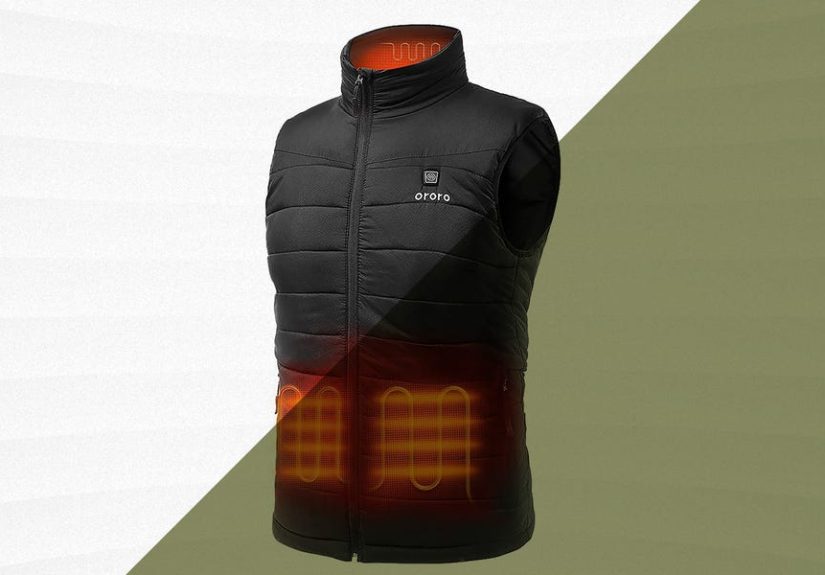
A heated vest can sound a little extra until you sit motionless in a freezing stand for four hours and start fantasizing about central heating. The TideWe Heated Hunting Vest is a practical mid-layer option because it adds targeted warmth to your core while keeping your arms free for drawing, climbing, handling calls, or shouldering a pack.
This matters because your core is mission control. Keep it warm, and the rest of your body performs better. A heated vest also gives you flexibility. Use it as a boost during stationary sits, then tone things down while hiking to avoid sweating through your system. It is not magic, and it does not replace proper layering, but it can be a huge upgrade for hunters who struggle with long periods of inactivity in the cold.
7. First Lite Refuge Muff
Best for: Keeping hands functional during long, icy sits
Gloves are essential, but they are not always enough. The First Lite Refuge Muff is one of those products that experienced cold-weather hunters appreciate because it solves a very specific problem: cold, stiff hands that make you clumsy at the worst possible moment. It is built with weather protection and a warm interior, giving you a sheltered place to reheat your hands between moments of action.
This is especially useful for hunters who need dexterity. Bulky gloves are warm, sure, but they can make fine motor tasks awkward. A muff lets you wear lighter gloves or liners and still have a place to restore warmth. Translation: you stay warmer and less fumbly, which is a lovely combination when the shot window is brief and your fingers are trying to retire early.
8. HotHands Toe Warmers and Super Warmers
Best for: Emergency comfort and long stationary hunts
Disposable warmers are not glamorous, but neither is losing feeling in your toes before breakfast. HotHands Toe Warmers and Super Warmers are simple, affordable additions that can rescue cold sits, especially when conditions are more severe than expected. Toe warmers are useful for hunters whose feet run cold, while larger warmers can help hands, pockets, or core areas depending on how you use them.
The key is to think of them as support gear, not a substitute for bad layering. If your boots are wrong and your socks are soaked, a warmer will not save the day. But if the rest of your system is sound, these small heat packs can stretch your comfort window in a big way. They are the hunting equivalent of a reliable backup singer: not always the star, but the performance gets shaky without them.
9. Petzl ACTIK CORE Headlamp
Best for: Predawn setup, safe pack-out, and keeping your hands free
Cold-weather hunting means long darkness on both ends of the day. A good headlamp is not optional; it is basic field insurance. The Petzl ACTIK CORE stands out because it is compact, rechargeable, bright enough for real movement, and includes red lighting that is useful when you want to preserve night vision or avoid blasting your hunting partners in the face like a prison spotlight.
One more reason this headlamp makes sense in the cold: dependable visibility reduces dumb mistakes. Slippery creek crossings, dropped gloves, missed trail markers, and chaotic pack-outs all get worse when you cannot see properly. Keep in mind that batteries can struggle in the cold, so storing the light or battery close to your body when not in use is a smart move. Tiny habit, big payoff.
10. Mr. Heater Hunting Buddy Portable Heater
Best for: Blind hunts where safe, directed warmth matters
For blind hunters, a portable heater can be the difference between a productive sit and a very long lesson in suffering. The Mr. Heater Hunting Buddy Portable Heater is popular for a reason: it delivers real heat output in a portable format, which makes it especially useful for enclosed blind setups and other stationary hunting scenarios where movement is limited.
That said, this is one of those products that demands common sense. Follow the manufacturer’s safety guidance, maintain ventilation, and use it only in appropriate settings. When used correctly, it can take the edge off bitter mornings and allow you to stay out longer without shaking like a shopping cart with a bad wheel. For late-season deer or waterfowl hunters who spend hours sitting still, that can be a genuine advantage.
How to Build the Best Cold-Weather Hunting Setup
If you are trying to decide where to spend your money first, here is the practical order: base layer, boots, socks, outerwear, then comfort accessories. Start with moisture management and foot warmth. That foundation matters more than flashy extras. After that, improve your shell or insulation. Then add the items that increase endurance, like hand muffs, heated layers, and portable heat for blind hunts.
The biggest mistake hunters make is buying one “super warm” piece and expecting it to fix everything. Cold-weather hunting works better when your whole system makes sense. Your base layer should move sweat. Your mid-layer should trap heat. Your outer layer should block wind and moisture. Your boots should fit with room for circulation. Your accessories should solve predictable weak spots like cold fingers, frozen toes, dead batteries, and predawn darkness.
Field Experiences: What Cold-Weather Hunters Learn the Hard Way
Anyone who has hunted in the cold for more than one season eventually develops a strange relationship with comfort. You stop chasing luxury and start chasing stability. The goal is not to feel like you are in your living room. The goal is to stay warm enough, dry enough, and functional enough that you can keep hunting well. That lesson usually arrives after a few memorable disasters.
One common experience goes like this: a hunter dresses too warm for the walk in. The hike to the stand feels fine at first, maybe even great. Then the sweat starts. Not enough to be dramatic, just enough to dampen the base layer. An hour later, once the hunter settles in and stops moving, that moisture begins stealing heat. Suddenly the day feels colder than the forecast suggested. That is when people realize why breathable merino base layers and zip options matter so much. Good gear does not just warm you up. It helps prevent your own body from setting a trap for you.
Another lesson comes from the feet. Plenty of hunters have spent real money on insulated boots and still ended up with numb toes by midmorning. Usually the culprit is poor sock strategy or overly tight fit. Thick socks jammed into boots can reduce circulation, and reduced circulation means cold feet no matter what the marketing promised. Experienced hunters learn to pair insulated boots with quality merino socks and enough internal space to let warm air do its job. It is not glamorous science, but it works.
Hands are another battlefield. On long, windy sits, fingers can lose dexterity fast. That matters when you need to work a zipper, handle optics, operate a call, or make a clean shot. Many hunters discover that a hand muff is more effective than simply buying bigger gloves. A muff lets you restore warmth without giving up fine movement. It is one of those products that seems optional until you use one in miserable weather and suddenly become evangelical about it.
There is also the mental side of cold-weather hunting, which gear can influence more than people admit. When you are warm, you are more patient. You glass longer. You sit quieter. You make better decisions. When you are cold, your world shrinks. You rush. You fidget. You convince yourself nothing is moving anyway, right before something moves. The best products for hunting in the cold do not just protect your body. They protect your decision-making.
And then there are the little comforts that feel small until they are not. A headlamp that works well in the dark keeps your morning calm. A heat pack in the right place can buy you another hour. A hot drink waiting in the truck feels like a reward from a kinder universe. Over time, cold-weather hunters learn that success is often built from small advantages stacked together. No single item guarantees a great hunt, but the right combination can keep you sharper, quieter, and more effective when conditions are trying to push you out of the field.
Final Thoughts
The best products for hunting in the cold are the ones that help you stay in the game longer without losing comfort, mobility, or focus. For most hunters, that starts with a smart layering system and warm, well-fitted boots. From there, accessories like a heated vest, hand muff, warmers, headlamp, and blind heater can turn a hard hunt into a manageable one.
Cold weather does not forgive lazy gear choices. But with the right setup, late-season hunts can be some of the quietest, most beautiful, and most rewarding days of the year. And if your toes remain loyal all morning, honestly, that is already a victory.